





Alpha-1 antitrypsin deficiency (AATD) can significantly impact lung and liver function, but a majority of individuals with this inherited disorder remain undiagnosed. However, new diagnostic algorithms and advances in therapy may revitalize AATD management.
Experts will discuss these updates during the CHEST 2026 session Alpha-1 Antitrypsin Deficiency: New Advancements in Diagnosis and Treatment on Monday, October 19, at 8 am MST in the Phoenix Convention Center.
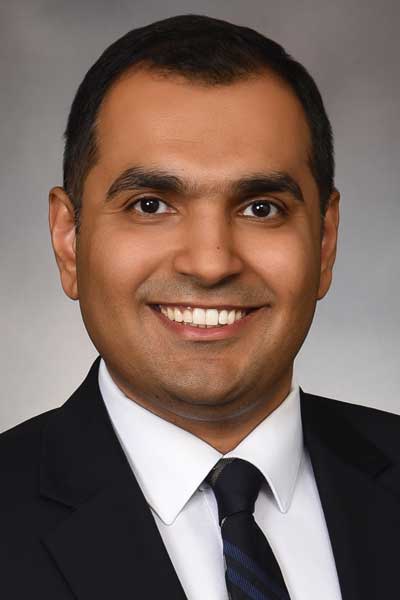
“Caused by a mutation in the SERPINA1 gene, AATD is a genetic disease that is not as rare as we think it is, and our goal is to increase awareness about it,” said Session Chair Malik Khurram Khan, MD, FCCP, Associate Professor of Medicine at University of Kentucky (UK) College of Medicine and Medical Director of UK HealthCare Pulmonary Rehabilitation in Lexington.
According to Dr. Khan, an estimated 100,000 people in the United States have severe AATD.
“As a point of comparison,” Dr. Khan said, “about 39,000 people in the United States have cystic fibrosis, and more people are aware of that disease [than AATD].”
AATD primarily affects both the lungs and the liver—but in different biochemical ways.
“In the lungs, it’s a loss of function. Without this protective enzyme, you have more inflammation in the lungs, which leads to emphysema and bronchiectasis,” Dr. Khan said. “In the liver, it can cause disease via gain of function. The abnormal protein gets stuck in the liver cells, which then causes cirrhosis and damage to the liver.”
Guidelines recommend that individuals with COPD should be screened for AATD once in their lifetime. However, screening rates are suboptimal.
“We see people with COPD almost every day, so this is a reminder that it is important to screen people for AATD,” Dr. Khan said.
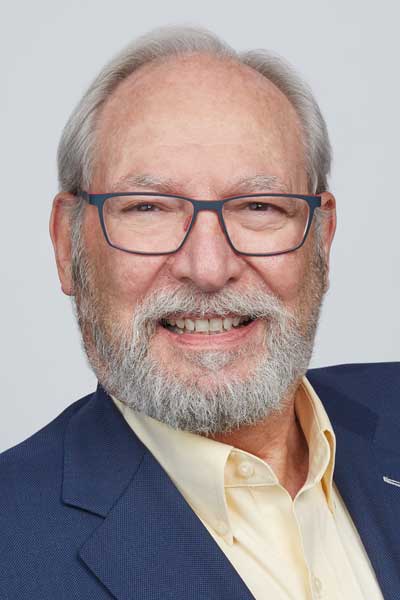
Session Co-Chair Robert A. Sandhaus, MD, PhD, FCCP, will focus on treatment advances in AATD as well as the remaining challenge of its detection. Dr. Sandhaus is Professor of Medicine, Division of Pulmonary, Critical Care, and Sleep Medicine at National Jewish Health in Denver, Colorado.
Improvement in AATD detection is essential to reap the true benefit of potential treatments. Probably less than 5% of patients with severe AATD who have lung disease have actually been detected as having that condition, he said.
“Despite guideline recommendations to test all patients with COPD and increasing knowledge in the community of alpha-1 and its treatment, we’ve seen no real changes in the detection of alpha-1 in the community in lung disease or liver disease,” Dr. Sandhaus said.
However, efforts have been made over the past decades to improve AATD detection.
“The Alpha-1 Foundation has created its own national testing lab to provide free testing for any physician, patient, or family member who wants to get tested,” Dr. Sandhaus said. “Eventually, more screening for alpha-1 is going to come from genetic sequencing testing.”
Alice Turner, MBChB, PhD, will explore current treatment options as well as various novel therapies under investigation for patients with AATD. Dr. Turner is Professor of Respiratory Medicine in the Department of Applied Health Sciences at the University of Birmingham.
“This is an exciting time for AATD patients and scientists,” Dr. Sandhaus said, “because we have an amazing array of potentially curative therapies that are in clinical trials right now.”

Join Us at CHEST 2026
Connect in person with influential clinicians from around the world—and attend top-tier educational sessions focusing on the most relevant clinical topics. CHEST 2026 will have it all, including optional add-on sessions to customize your learning. Reserve your spot by October 5 to save $100 with advance registration pricing.
