





Most life-threatening diseases encountered in the ICU are the result of common critical illnesses such as pneumonia, ARDS, or sepsis. However, every so often, they may be autoimmune disorders in disguise. For patients with such rheumatologic emergencies—as well as the chest medicine clinicians who may first encounter them in the ICU—time is of the essence for both diagnosis and intervention, and multidisciplinary collaboration is essential for successful outcomes.
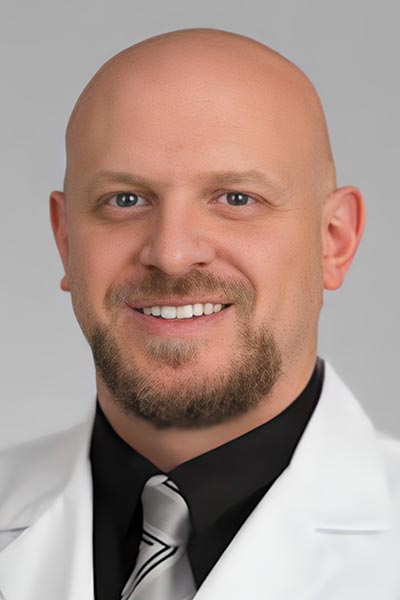
“These uncommon diseases are often difficult to recognize and frequently diagnosed only after the patient has continued to deteriorate despite appropriate treatment,” said Rami Batarseh, MD, FCCP, a pulmonary and critical care medicine physician practicing at the Medical University of South Carolina (MUSC). “Missing these diagnoses can delay life-saving therapies and significantly impact patients’ outcomes.”
Dr. Batarseh will chair the CHEST 2026 session Rheumatologic Emergencies in the ICU on Sunday, October 18, at 11 am MST in the Phoenix Convention Center. Joining him to discuss the keys to timely diagnosis of these autoimmune crises and evidence-based algorithms for time-sensitive therapies will be the three following experts: Mohammed Megri, MD, FCCP, Staff Physician in the Critical Care Department of Cleveland Clinic Abu Dhabi’s Integrated Hospital Care Institute; Sameep Sehgal, MBBS, FCCP, Pulmonary and Critical Care Physician at the Cleveland Clinic; and Denise Sese, MD, FCCP, Pulmonary and Critical Care Specialist at MUSC Health.
Among the high-impact conditions these specialists will review are diffuse alveolar hemorrhage, catastrophic antiphospholipid syndrome, pulmonary-renal syndrome and associated vasculitis, macrophage activation syndrome, fulminant myositis with progressing interstitial lung disease, autoimmune myocarditis, systemic sclerosis, and other rheumatologic conditions that can rapidly become life-threatening.
Session attendees will learn essential bedside clues and evidence-based management strategies for timely intervention for patients who are critically ill. In addition, the presenters will share how to initiate time-sensitive therapies—including pulse-dose steroids, cytotoxic agents, plasmapheresis, and organ support—while coordinating with specialists in rheumatology and nephrology.
“One of the major goals of this session is to provide a practical diagnostic framework. These diseases are rare but often present with patterns that should prompt us to think beyond infection,” Dr. Batarseh said. “We will discuss common pitfalls, use of diagnostic strategies, and practical approaches that one can immediately apply in one’s own ICU practice—whether you are an intensivist, pulmonologist, hospitalist, emergency physician, fellow, resident, or advanced practice provider.”
Join Us at CHEST 2026
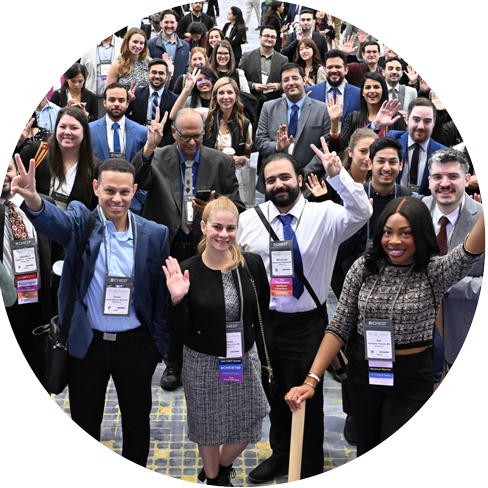
Connect in person with influential clinicians from around the world—and attend top-tier educational sessions focusing on the most relevant clinical topics. CHEST 2026 will have it all, including optional add-on sessions to customize your learning. Reserve your spot by October 5 to save $100 with advance registration pricing.
