



As an organization, CHEST prioritizes investing in, supporting, and developing community. Every year since 2023, that value has been brought to life through the Community Connections initiative.
This year’s partner organizations include the Arizona Asthma Coalition, the Arizona Coalition for Change, and Phoenix Children’s Breathmobile. Each group received an unrestricted $10,000 grant as well as collaborative programming and event opportunities at the annual meeting.
The collective grant of $30,000 is double the amount given to community organizations at each of the last three annual meetings. The increase reflects a desire to build on the initiative’s past successes, said Elizabeth Stigler, PhD, who coordinates the Community Connections program as CHEST Senior Director of Equity and Community Impact.
“Our goal has always been to make a lasting impact on the communities at the site of our annual meeting. The CHEST Philanthropy Board of Advisors recognized that the work these nonprofit organizations are doing is so impactful that [giving] $10,000 to each of them could really make a significant change and go a long way to supporting their service in those communities,” Dr. Stigler said.
The Community Connections initiative creates a two-way information exchange that also strengthens CHEST’s mission, she added.
“CHEST has a strong reputation for clinical education. As we think about how to produce more useful, more culturally responsive, and more informed educational products and resources, it’s invaluable to have these types of community connections and input from these organizations,” Dr. Stigler said. “Also, as CHEST formulates its advocacy and policy commitments, we can consult and be informed by the voices of these community partners who are doing the work in education, coalition-building, lobbying, and policy changes.”
Community Connections events at CHEST 2026
Representatives from the three Community Connections partners are participating in the annual meeting through various outreach events.
Asthma Toolkit Workshop | Saturday, October 17
Before the annual meeting begins, CHEST educators will partner with Phoenix Children’s Hospital to conduct an asthma toolkit educational seminar for Phoenix-area school nurses and other advanced practice providers. The workshop will feature hands-on training with masks, spacers, and other pulmonary function test devices.
Breathmobile Tours | Monday, October 19
The Phoenix Children’s Hospital Breathmobile will be parked outside the convention center for tours. To meet the Breathmobile staff and take a tour, check the conference app for location details and times.
Community Connections Presentations | Monday, October 19
Representatives from all three community partner groups will give short presentations and answer questions at two designated times.
Experience CHEST (Exhibit Hall)
11:00 am – 11:15 am: Phoenix Children’s Breathmobile
11:15 am – 11:30 am: Arizona Asthma Coalition
11:30 am – 11:45 am: Arizona Coalition for Change
Grantee Showcase (Lower Level, Lobby)
12:30 pm – 12:45 pm: Phoenix Children’s Breathmobile
12:45 pm – 1:00 pm: Arizona Asthma Coalition
1:00 pm – 1:15 pm: Arizona Coalition for Change
Cultures and Communities Reception | Monday, October 19
The community partners have also been invited to Monday evening’s Cultures and Communities Reception, open to all attendees, at 6:00 pm in Grand Ballroom South of the Renaissance Phoenix Downtown.
CHEST philanthropy provides funding for the Community Connections initiative. To read more about CHEST’s philanthropic pillars and to support its mission, visit chestnet.org/philanthropy.
Arizona Asthma Coalition
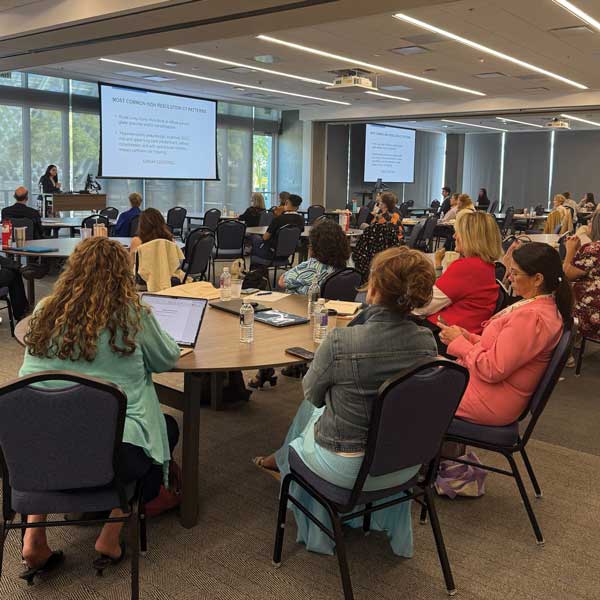
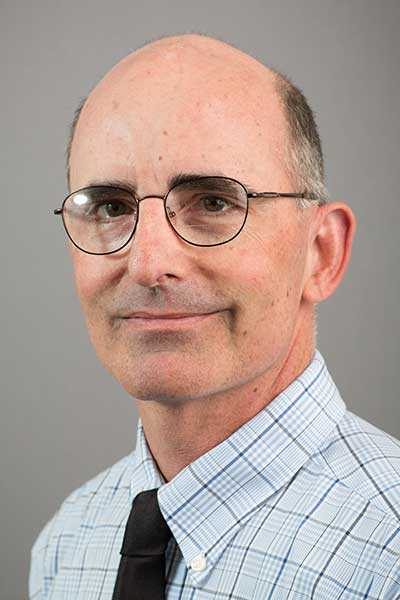
Since 1996, the Arizona Asthma Coalition (AAC) has worked with various civic groups to improve lung health in the state by expanding access to medication in schools through a variety of legislative, community, educational, and clinical initiatives. AAC intentionally embraces broad-ranged missions to reflect the numerous contributing factors and burdens of asthma, said Andrew Arthur, MD, PhD, Chair of AAC’s Board of Directors.
The group’s achievements, either singularly or in partnership with other civic groups, include establishing care guidelines, hosting an annual clinical conference, enacting legislation to ban smoking, drafting policy papers on air quality regulation and access to critical asthma medicine for uninsured Arizonans, and expanding a highly successful school-based stock inhaler program. First developed in 2017, the school stock inhaler program provides students with access to life-saving equipment and training to school nurses and officials.
“The supplies cost less than $200 per school, and if you add in all the time-costs for training and everything else, you’re looking at less than $1,000 per school for a program that could potentially benefit 200, 500, or even 1,000 students,” Dr. Arthur said.
Making emergency asthma supplies available in schools reduces public and family expenses for ambulance services, emergency room care, and hospital stays, he added. At the same time, keeping students in school reduces rates of absenteeism, promotes academic success, improves graduation rates, and helps schools generate attendance reimbursements.
“I understand that science itself doesn’t sell an idea for public policy, but I have yet to meet a person who doesn’t agree that a child deserves to learn,” Dr. Arthur said. “The return on investment for this program is tremendous.”
The success of the stock inhaler program has helped create awareness, alliances, and strategies that are transferable to other lung health campaigns.
“You end up having this group of people whose emotions and careers are invested in doing what is best for children, students, the community, and public health,” Dr. Arthur said. “Groups begin to overlap, and we have seen that coalition members help seed other coalitions whose primary effort is to improve air quality.”
AAC Quick Facts
What it does: AAC works through a wide coalition of concerned stakeholders to advocate for legislation, policies, education, and research to reduce the burden of asthma and improve air quality and public health.
Founded: 1996
Notable legislative achievement: Successfully advocated for legislation that increased the state tobacco tax to fund the First Things First early childhood health and education program
Notable community achievement: Through a grant from the Arizona Community Foundation, AAC developed the Roadmap to Sustainability Toolkit to help schools and school districts identify funding sources, build partnerships, and develop sustainable plans to launch and maintain school stock inhaler programs.
Notable scientific achievement: Since 2006, AAC has organized the Wheezing & Sneezing in the Desert Conference, a clinical allergy and asthma conference highlighting cutting-edge research and innovations within the context of statewide environmental, social, and political conditions.
Arizona Coalition for Change
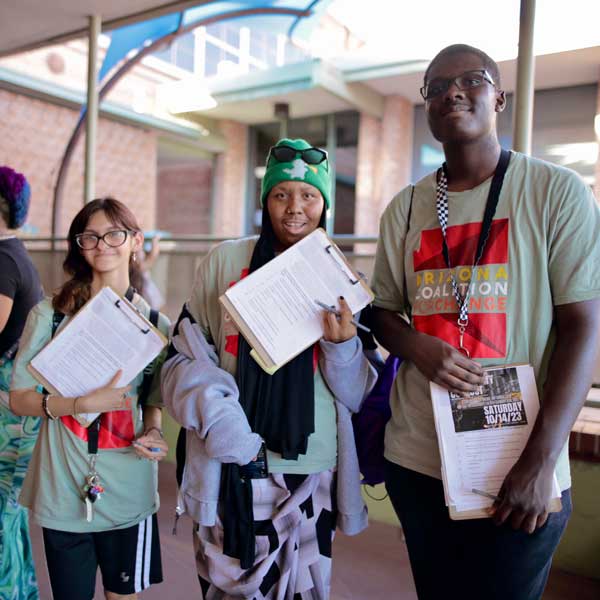
Since 2016, Arizona Coalition for Change (AZC4C) has connected with residents to strengthen civic participation, build community power, and elevate the voices of everyday Arizonans. To achieve these goals, the group prioritizes listening to community members, said AZC4C Executive Director Sena Mohammed.

“We start with people,” she said. “We spend a lot of time listening to what communities are experiencing. We try to really understand not just what is happening but also why it’s happening.”
AZC4C’s initiatives on air quality, extreme heat, and other environmental issues grew, in part, through community listening sessions and door-knocking campaigns. During these conversations, community members expressed concerns about whether children were developing asthma, whether elders could survive a summer, and whether neighborhoods had equitable resources, such as green spaces, shade trees, pharmacies, and grocery stores, Mohammed said.
In response, AZC4C developed its Clean Energy and Clear Lungs initiative to promote clean energy legislation and share information about existing community resources, such as programs available through the Inflation Reduction Act. The group’s approach to environmental justice follows the same empowerment principles that shape its other programs.
“Meaningful community engagement is the foundation of lasting community solutions,” Mohammed said. “By ensuring residents are informed, heard, and empowered, we help build the collective power needed to create meaningful, long-term change.”
The CHEST Community Connections partnership provides valuable funding to AZC4C while allowing its representatives to learn more about the data and science behind asthma, respiratory illnesses, air quality, and public health at the annual meeting, Mohammed said. In turn, AZC4C is providing insight into the power of education, community engagement, and people-centered organizing.
“The people most affected by these challenges often have a deep understanding of what’s happening in their communities,” Mohammed said. “We have a much better chance of identifying and addressing the root cause of problems when we pair lived experience with medical expertise, research data, and thoughtful policy.”
AZC4C Quick Facts
What it does: AZC4C is a Black-led organization that empowers community members to transform their communities through building civic power, developing leadership, and forging collaborative partnerships.
Founded: 2016
Who it serves: Black and racial-minority communities in Arizona
Number served: Varies by project and year. The organization’s 2024 Civic Scholars Program provided 132 Black and Brown student leaders with intense training in civic engagement and community leadership. In the same year, a rural voters initiative included nearly 1,800 rural community members, while an AZC4C environmental justice survey received responses from 204 community members. In 2020, AZC4C registered more than 10,000 voters. AZC4C partnered with Mi Familia Vota on a legal case that extended the voter registration date and resulted in more than 46,000 additional registrations.
Coalition partners: AZC4C partners with more than 20 civic institutions, churches, and businesses
Notable achievement: Committed to using listening sessions to guide policy goals, the organization hosted more than 35,000 people at listening sessions in 2024
Future goal: To transform the landscape of democracy and public health in Arizona
Phoenix Children’s Breathmobile
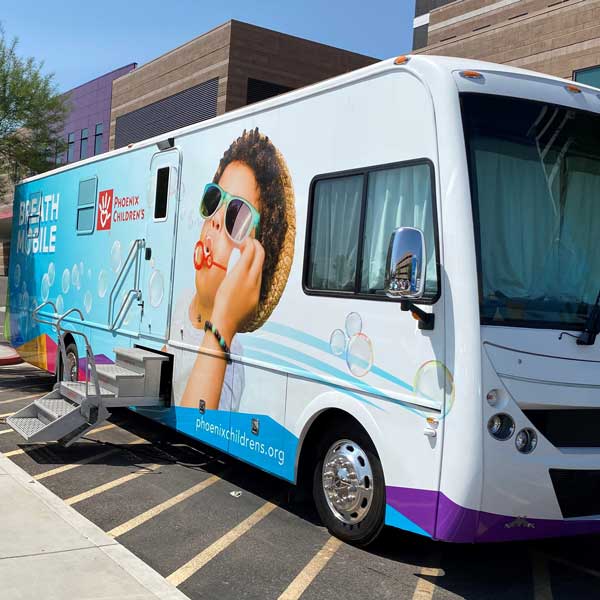
Since 2003, the Phoenix Children’s Breathmobile has traveled to local schools to provide specialized lung health care to students who might otherwise do without. Through close partnerships with school nurses and community groups, the self-contained clinic on wheels currently reaches 27 Phoenix-area schools for school-day appointments of comprehensive asthma treatment, serving an average of 150 to 200 students annually.
The Breathmobile team prioritizes students at Title I-eligible schools, a federal designation for educational institutions that serve low-income populations.
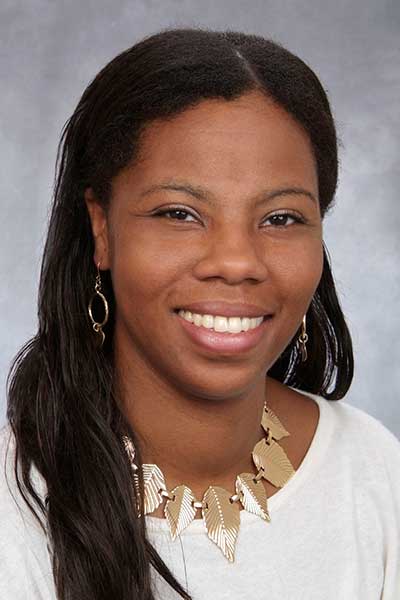
“Lack of transportation, language barriers, or other factors of lower socioeconomic status mean that the parents of these students can’t take off work, or [they] face other difficulties that prevent them from accessing care for their children,” said Sophia N. Williams, MD, MPH, the Breathmobile’s Medical Director. “We’re serving young patients who might otherwise never reach a hospital or clinical setting.”
The Breathmobile’s impact is measured in several ways, including patient visits, oral steroids prescribed, and asthma control test scores. One of its greatest successes is a sustained downward trend in the percentage of emergency room visits and hospitalizations among patients who had appointments at the Breathmobile clinic.
The Breathmobile also contributes to asthma research, with Matthew A. Rank, MD, serving as the clinic’s Research Director. The clinic is part of a study funded by a National Institutes of Health grant in partnership with the lab of Emily Cope, PhD, at Northern Arizona University, that is examining how fiber intake affects changes in the gut microbiome and how those changes affect asthma health.
“Our study’s participating families may not have had the chance to partake in these types of projects before, even though they might represent a large portion of the population affected by this issue,” said Dr. Williams, who also serves as Director of the Pediatric Pulmonology Fellowship Program and Associate Director of the Pediatric Cystic Fibrosis Center at Phoenix Children’s Hospital. Her work with the Breathmobile has reinforced the importance of community-focused health care and affirmed her motivation for making a career in medicine, she added.
“The Breathmobile has shown that you can bring care into a community and meet families and patients where they are,” she said. “It takes time to build these relationships, but doing so can improve access, engagement, and health care outcomes. The Breathmobile has an important impact on what families know and how children feel—and that’s a huge step in medicine.”
Breathmobile Quick Facts
What it does: The Phoenix Children’s Breathmobile is a self-contained mobile asthma clinic that travels to Phoenix-area schools and community sites to provide children who have limited or no access to clinics with testing, care, support, and resources to safely and effectively manage their asthma.
Founded: 2003
Who it serves: Students and their families from 27 schools and 14 school districts in the greater Phoenix region
Number served: Through weekly clinics, the Breathmobile serves approximately 150 to 200 patients annually across 350 to 400 patient visits.
Notable achievement: From June 2025 to June 2026, only 1.3% of the children who had appointments at the Breathmobile later presented at an emergency department with an asthma-related crisis and less than 0.5% were admitted to the hospital for an asthma-related condition. These statistics show a downward trend, suggesting that Breathmobile appointments are reducing the risks of asthma-related crises leading to emergency room treatment and hospitalization.
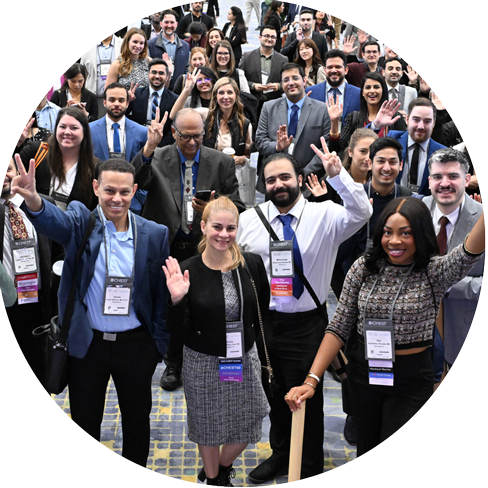
Download the CHEST Events App
Plan your schedule and ensure you don’t miss key CHEST 2026 sessions with the CHEST Events app. The app is your best source of information to ensure that you maximize your experience at the meeting.
