





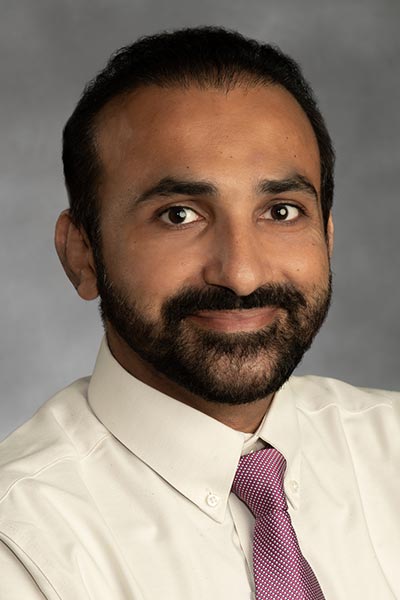
Biologic therapies have revolutionized the care of patients with severe asthma. However, many patients—up to 40%—experience suboptimal or absent response to these agents, said Farrukh Abbas, MD, FCCP, Assistant Professor of Medicine at Virginia Commonwealth University and Director of the VCU Severe Asthma Clinic.
“For pulmonologists and allergists, this is an area where there is not a lot of high-level evidence for managing such patients,” he said.
Dr. Abbas will chair a CHEST 2026 session aimed at addressing this unmet need, Asthma for the Experts: Evaluating and Managing Patients Who Don’t Respond to Biologics, at 4 pm MST on Tuesday, October 20, in the Phoenix Convention Center, North Building, Room 125B.
During the session, Mario Castro, MD, MPH, FCCP, L.E. Phillips and Lenora Carr Phillips Professor and Division Chief of Pulmonary, Critical Care, and Sleep Medicine at the University of Kansas Medical Center, will offer counsel on initiating biologic therapy (depending on different phenotypes and features). He will also discuss the challenge of defining suboptimal response, treatment response, and remission in an already complicated clinical scenario.
Dr. Abbas will explore the appropriate steps in evaluating patients who are nonresponsive to biologics. The focus will be on looking for other comorbidities that may impact such response, as well as the role of tissue sampling and bronchoscopy or advanced imaging.
“It is often difficult for physicians to differentiate asthma from other comorbidities,” he said. “Vocal cord dysfunction, heart failure, and a combination of multiple conditions may mimic asthma, so an algorithm-based approach is needed to determine whether it is asthma.”
Njira Lucia Lugogo, MD, Clinical Professor and Asthma Program Director at University of Michigan Health, will close the session by exploring evidence-based algorithms for caring for patients who do not respond to biologic therapy. She will offer suggestions on how best to switch biologics for these patients.
The latest CHEST guidelines are intended to help clarify the criteria for response to biologic therapy in severe asthma and identify advanced diagnostic techniques.
“I was part of the guideline panel for CHEST, and we talked about the need to provide useful guidance for pulmonary clinicians,” Dr. Abbas said. “Sharing expert experience is the intent of this session.”
Call for Topics Is Open
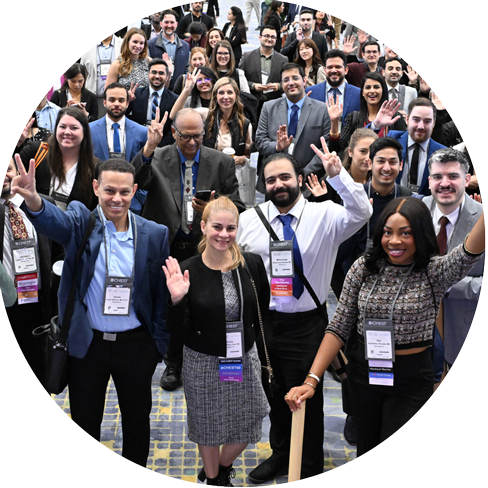
Feeling inspired by all the great sessions you’ve attended? Help shape the curriculum for CHEST 2027, October 24 to 27 in Vancouver, by submitting topic ideas from areas you’re passionate about, topics affecting your practice, or new technologies you’d like to learn more about. The submission deadline is Tuesday, December 1, at 2 pm CT.
