





As respiratory viral infections continue to challenge pulmonologists and intensivists, advances in molecular testing, novel diagnostic platforms, and evolving treatment strategies are rapidly changing clinical practice.

“The respiratory virus field has changed substantially since the pandemic,” said Charles Dela Cruz, MD, PhD, Professor of Medicine in Pulmonary, Allergy, Critical Care and Sleep Medicine at University of Pittsburgh. “We now detect many more viruses across a much broader range of patients, but detection does not always translate into a clear clinical decision. The challenge for clinicians is determining which findings matter, when they should change therapy, and when we need to continue looking for another cause of the patient’s illness.”
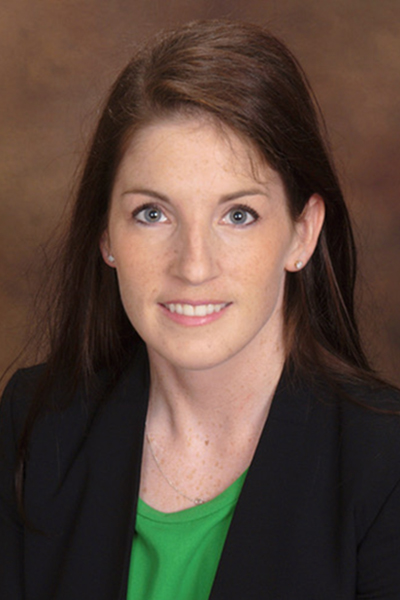
Dr. Dela Cruz will chair the CHEST 2026 session Respiratory Viruses in 2026: Modern Challenges and Clinical Solutions in Pulmonary and Critical Care at 11 am MST on Sunday, October 18, in the Phoenix Convention Center, North Building, Room 222B. Presentations in the session will move beyond the basics to explore how clinicians can apply emerging evidence at the bedside; Session Co-Chair Ashley Losier, MD, Assistant Professor of Medicine in Yale School of Medicine’s Section of Pulmonary, Critical Care and Sleep Medicine, will moderate a panel discussion at the end.
“Clinicians are increasingly faced with complex PCR results, immunocompromised patients, and decisions about antivirals and immunomodulatory therapies,” Dr. Losier said. “Staying current is essential to making the right treatment decisions for the right patient.”
In his talk, Dr. Dela Cruz will examine the growing role of metagenomic sequencing and host-response diagnostics in the evaluation of viral pneumonia. These emerging technologies have the potential to provide faster, more precise answers about the causes of respiratory illness while helping clinicians distinguish among viral, bacterial, and mixed infections.
“Metagenomic sequencing can broaden what we can identify, while host-response approaches can tell us something fundamentally different: how the patient is responding to the infection,” he said. “Ultimately, integrating pathogen and host information may give us a much more clinically useful diagnosis than either approach alone.”
Marcos Restrepo, MD, MSc, PhD, Professor of Medicine at UT Health San Antonio, will address the task of interpreting respiratory viral polymerase chain reaction (PCR) results in hospitalized patients who are critically ill. PCR can detect prolonged viral shedding, Dr. Losier said, but “the key is putting the result into clinical context—considering the patient’s symptoms, timing, viral burden when available, imaging, and the possibility of other infectious or noninfectious causes.”
“Don’t treat the PCR result—treat the patient,” she added. “Use the diagnostic result in context and combine it with the clinical picture to guide therapy.”
Rounding out the session, Kristina Crothers, MD, FCCP, Professor in the Division of Pulmonary, Critical Care and Sleep Medicine at the University of Washington, will review contemporary approaches to antiviral therapy and the use of immunomodulatory agents and corticosteroids across a range of acute viral respiratory syndromes.
“We are becoming much more precise about treatment across different viral syndromes,” Dr. Dela Cruz said. “The benefit and risk of antivirals, corticosteroids, and immunomodulators depend on the specific virus, disease severity, timing, and host. At the same time, we have a better appreciation that secondary bacterial infection is not simply a complication but can be a major driver of deterioration and mortality after viral pneumonia.”
The session will emphasize that a respiratory virus result should be the beginning of the clinical interpretation, not the end of it, he said.
“We want attendees to leave with a practical framework for combining pathogen detection, host response, disease phenotype, and the possibility of secondary infection to decide what is actually driving the patient’s illness and how best to treat it.”
Call for Topics Is Open
Feeling inspired by all the great sessions you’ve attended? Help shape the curriculum for CHEST 2027, October 24 to 27 in Vancouver, by submitting topic ideas from areas you’re passionate about, topics affecting your practice, or new technologies you’d like to learn more about. The submission deadline is Tuesday, December 1, at 2 pm CT.
