





During CHEST 2026, experts will seek to bridge literature and daily clinical practice in assessing dyssynchrony between a patient’s natural breathing and mechanical support.
The session Mastering Patient-Ventilator Synchrony in Invasive and Noninvasive Ventilation will take place at 8 am MST on Tuesday, October 20, in the Phoenix Convention Center, North Building, Room 121B. In addition to reviewing key skills for spotting dyssynchrony, presenters will examine how advanced tools like diaphragmatic ultrasound, esophageal balloon monitoring, and electrical impedance tomography can help resolve complex cases and elevate quality of care for patients who require mechanical ventilation.
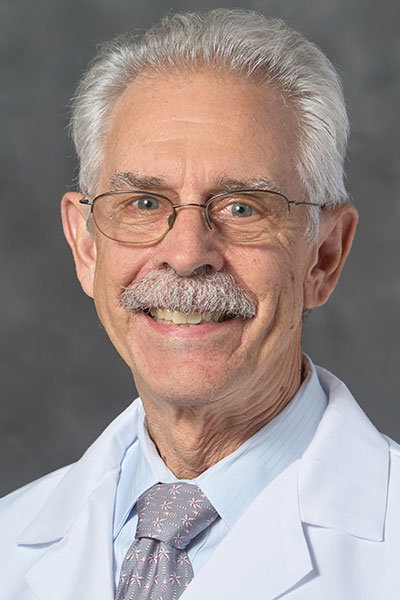
Daniel Ouellette, MD, FCCP, Pulmonary and Critical Care Division Chief at Henry Ford Health, will open the session with a presentation on the often-overlooked cases of patient-ventilator dyssynchrony in noninvasive ventilation. Clinicians can preempt problems by identifying likely candidates of mask (or interface) intolerance, including patients with ARDS or other respiratory disorders like asthma, he said. Critical care teams must also recognize that other circumstances, such as how a patient having a beard or a facial fracture can cause mask intolerance, he added.
Dr. Ouellette will then present case studies where patients could tolerate a mask but faced synchrony problems. He said identifying and solving noninvasive dyssynchrony is crucial for ICU practice.
“Many physicians are familiar with using noninvasive modes of ventilation for the chronic, stable outpatient, but the patient in ICU is different,” Dr. Ouellette said. “It is important that the entire critical care team be able to recognize dyssynchrony, discomfort, and intolerance of masked ventilation, because when a patient fails noninvasive ventilation in the ICU, they require urgent intervention.”

Session Chair Dharani Narendra, MD, FCCP, Associate Professor of Medicine at The University of Texas MD Anderson Cancer Center, Houston, will then present techniques to help clinicians master diagnosing ventilator dyssynchrony by applying diaphragmatic ultrasound and electrical impedance tomography. She will cover approaches that include core skills and more advanced approaches, including new, effective techniques not yet widespread in clinical practice.

David Vines, PhD, RRT, FCCP, Senior Vice President and Dean of the School of Health Professions at The University of Texas Medical Branch, will close the session by sharing techniques and case studies in applying esophageal pressure monitoring to identify missed or reverse triggering causing dyssynchrony. This approach focuses on changes in the efforts of esophageal tracing, a reflection of the pleural pressures and something that would not necessarily register on standard ventilator screen reports.
“Once a balloon is placed into the thorax, it gives you another way to sense what is going on with a patient,” Dr. Vines said. “Because the esophagus is a soft, thin-walled structure, it transmits pressure changes to the balloon very quickly. It allows you to see when a patient makes an effort to breathe, and if they do and the ventilator doesn’t turn on, then you have identified missed triggering. If you see the ventilator turns on and then you see the effort from the diaphragm midbreath, then you have identified reversed triggering.”
Noting that he has been teaching various methods of waveform analysis for more than 20 years, Dr. Vines said the principles behind the techniques are not necessarily new, but that equipment and methodologies are constantly changing. The more a clinician can master additional determinants and become more skilled in applying them, the more successful they can be ensuring patient-ventilator synchrony and preventing complications such as diaphragmatic injury or lung injury.
“Interpreting these findings and adjusting ventilator support for each patient is both a science and an art,” Dr. Narendra said. “Dyssynchrony can affect patient comfort, ventilation, and outcomes. I hope this session will help clinicians spot dyssynchrony early, understand its causes, and allow them to step in before it leads to problems.”
Call for Topics Is Open
Feeling inspired by all the great sessions you’ve attended? Help shape the curriculum for CHEST 2027, October 24 to 27 in Vancouver, by submitting topic ideas from areas you’re passionate about, topics affecting your practice, or new technologies you’d like to learn more about. The submission deadline is Tuesday, December 1, at 2 pm CT.
