





Although crowd control weapons and chemical agents are often described as “less lethal,” they can produce serious trauma, toxic exposures, and respiratory complications in individuals during situations of civil unrest.
During the CHEST 2026 session Riot Medicine: Management Strategies of Nonlethal Police Weapons and Chemicals, speakers examined the medical consequences and system-level challenges of crowd control weapons and chemical agents. Presenters stressed that early recognition, thoughtful clinical management, and preparedness remain essential for frontline clinicians.
Blunt force trauma, burns, and explosions
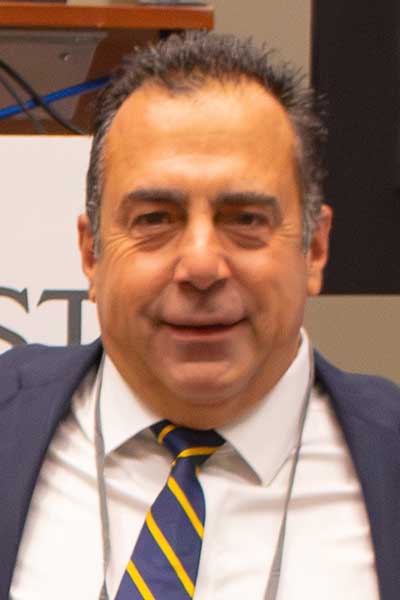
Session Chair John V. Agapian, MD, FCCP, Professor of Surgery at the University of California Riverside School of Medicine and Chair of CHEST’s Disaster Response and Global Health Section, reviewed injuries associated with civil unrest, including blunt trauma, hemorrhage, traumatic brain injury, burns, and explosion-related injuries. Drawing on published literature and his experience responding to the 2015 San Bernardino mass shooting, he emphasized management strategies that can be implemented before transfer to specialty centers.
Discussing hemorrhage control, he underscored the importance of rapid intervention and public preparedness initiatives such as the American College of Surgeons’ Stop the Bleed program. “With hemorrhage, there’s nothing better than to stop the bleeding because if you stop the bleeding, you don’t really have to worry about advancing toward the classes of shock,” he said.
He also reviewed traumatic brain injury and burn management, emphasizing stabilization and prevention of secondary complications. “What we can do is minimize secondary brain injury,” he noted. Throughout his remarks, Dr. Agapian stressed the critical role community hospitals play in initial assessment, resuscitation, and transfer when higher levels of care are required.
Conducted energy weapons

Aloke Chakravarti, MD, Assistant Professor of Medicine at the Icahn School of Medicine at Mount Sinai, examined the health effects of conducted energy weapons, including Tasers, and challenged assumptions about their safety.
“There’s always this concern of people injured in ways that we don’t really learn about in medical school,” Dr. Chakravarti said as he introduced a topic that bridges law enforcement, toxicology, trauma, psychiatry, and critical care.
While reviewing epidemiologic data and reports of deaths following exposure, he argued that the term “nonlethal” may not accurately reflect the risks associated with these devices. He noted that patients presenting after Taser exposure may have psychiatric illness, cardiovascular disease, seizures, and other comorbidities, and may use stimulants.
Dr. Chakravarti reviewed complications, including burns, penetrating dart injuries, falls, pneumothorax, arrhythmias, and interference with implantable cardiac devices. He also addressed the controversial concept of excited delirium, emphasizing the importance of focusing on identifiable medical abnormalities.
“Excited delirium is not a diagnosis,” he said. “The diagnosis is within the components of the excited delirium, the metabolic derangements, the tachycardia, the hyperthermia, the illicit drugs.”
Mucosal irritants and chemical weapons
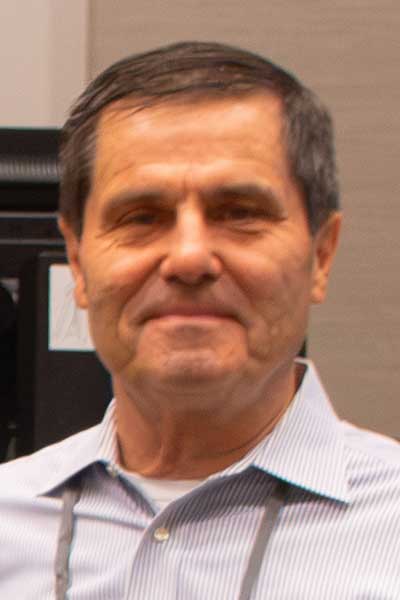
James Geiling, MD, MPH, Professor of Medicine at the Geisel School of Medicine at Dartmouth and a physician with the US Department of Veterans Affairs, focused on riot control agents such as tear gas and pepper spray, urging clinicians to view them as inhalational exposures rather than temporary irritants.
Dr. Geiling noted that “tear gas” encompasses multiple agents, including chlorobenzylidenemalononitrile, chloroacetophenone, and pepper spray formulations, and that toxicity varies according to exposure conditions. As he emphasized, “Clinical toxicity depends on agent plus formulation plus dose, times time plus environment.”
While many exposures cause self-limited ocular and respiratory symptoms, he cautioned that risks increase with indoor exposure, repeated exposure, or pre-existing lung disease. Lower airway effects may become apparent well after the initial event and can be particularly problematic in patients who are more susceptible. “These agents should be viewed not just as a brief-time event but potentially a long-term irritant,” he said.
Management begins with removal from the source, decontamination, and careful monitoring of respiratory status. However, Dr. Geiling emphasized, clinicians should prioritize critical interventions when necessary. “Do not delay life-saving airway/ventilatory support for perfect decontamination,” he advised.
Health system and hospital planning

Shifting the discussion from individual patient care to hospital preparedness, Mary Jane Reed, MD, FCCP, Associate Professor in the Departments of General/Trauma Surgery and Critical Care Medicine at Geisinger Medical Center, argued that health systems should incorporate civil unrest scenarios into disaster planning.
“‘Less lethal’ describes the intent of the weapon. It is not what our patients see,” she said, noting that crowd control agents and projectiles can result in serious injury, including ocular trauma and traumatic brain injury.
Using a framework of staff, stuff, space, and systems, Dr. Reed outlined strategies for surge planning, decontamination, and emergency response coordination. She encouraged thorough documentation—medical charts may become legal evidence, but beyond that, they also fill a gap in public health reporting about such injuries. She also stressed the importance of separate patient flows, security, and trust measures, including clear institutional policies regarding law enforcement interactions.
“We need to have medical neutrality,” she told attendees. “We triage obviously by need, not by side.”

Call for Topics Is Open
Feeling inspired by all the great sessions you’ve attended? Help shape the curriculum for CHEST 2027, October 24 to 27 in Vancouver, by submitting topic ideas from areas you’re passionate about, topics affecting your practice, or new technologies you’d like to learn more about. The submission deadline is Tuesday, December 1, at 2 pm CT.
