





Health care is a team effort, not only when it comes to supporting patients but also when helping fellow clinicians navigate challenges.
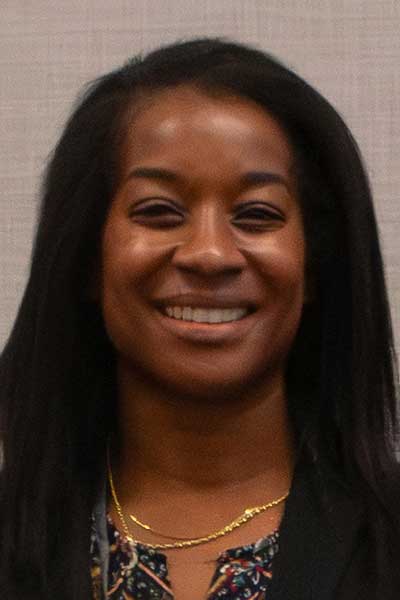
“Very rarely is the impact of a struggling clinician silent within that person. It often has a broader effect on the team,” said Jayna Gardner-Gray, MD, Clinical Assistant Professor of Emergency and Internal Medicine at Wayne State University.
Dr. Gardner-Gray and other expert panelists presented three hypothetical case scenarios and invited attendees to share their approaches and feedback during the CHEST 2026 session The Struggling Clinician: Recognition and Support Across the Care Team on Tuesday, October 20, in Phoenix.
Carlos P. Cardenas, MD, Assistant Professor of Internal Medicine at UT Southwestern Medical Center, outlined a practical framework for supporting struggling clinicians, consisting of three essential steps: Identify the behavior, look at the context, and determine the appropriate response.
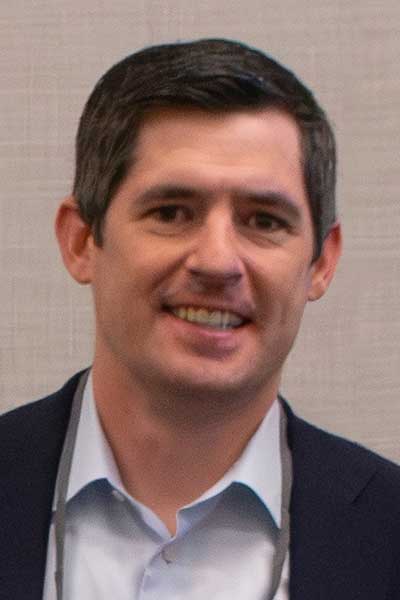
“If you take every single opportunity to assess in this order each time, you will not miss things, and you will have the highest chance of improving someone’s struggle,” Dr. Cardenas said.
Recognizing when a clinician is struggling requires understanding what may be contributing to changes in their behavior. During the discussion, attendees considered how burnout, mental health concerns, and other circumstances might affect a clinician’s performance and how best to approach those challenges.
“What you’re asking for is, what is the context? What’s going on in their lives, what are the faculty noticing from that?” Dr. Cardenas said. “In our response, maybe that person needs time off, maybe they need to go on vacation, but importantly, you frequently check in with them and make sure they have the opportunity to get to a wellness center.”

Understanding the circumstances surrounding a clinician’s performance also means recognizing that differences in experience and training may contribute to challenges within a care team.
Ashley S. Knox, MS, APRN, FNP-C, FCCP, Advanced Practice Provider Manager at the Medical Center of Houston, emphasized the importance of examining assumptions when assessing a clinician’s competence, particularly when they are adjusting to a new practice environment.
“We need to ask ourselves in this situation, are we judging competence or are we relying on our assumption that everyone comes with the same knowledge, especially in a new practice, a new space, as they’re working together?” Knox said.
She noted that repeated performance concerns can erode trust within the team and create a cycle that becomes harder to interrupt.
“We need to break that cycle,” Knox said. “We need to assess this in a timely fashion. We need to provide them with a safe environment. We need to coach them through this so that we can help them be the best version of themselves.”
Beyond identifying and addressing concerns, supporting a struggling clinician requires ongoing assessment and opportunities for growth.

Ebtesam Islam, MD, PhD, FCCP, Professor of Internal Medicine at Texas Tech University Health Sciences Center, outlined four pillars for navigating complex situations: early identification, thorough assessment, collaborative intervention, and reassessment.
Using a scenario involving a second-year fellow, she highlighted reassessment as an opportunity for continued growth, emphasizing the importance of personalized feedback and encouraging clinicians to take an active role in their improvement.
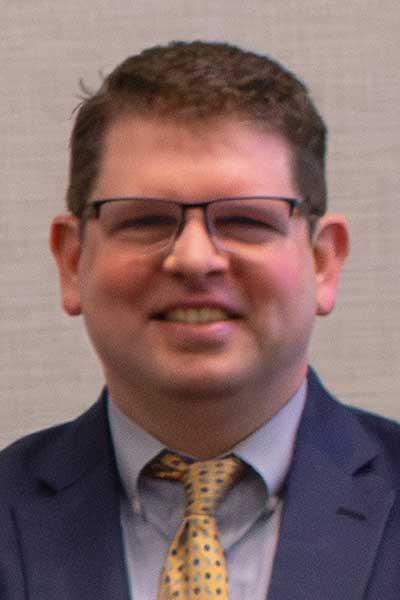
“This is personalized,” Dr. Islam said. “What is really important here is you want the fellows to have buy-in. You want them to have a growth mindset.”
While supporting struggling clinicians involves creating conducive spaces for learning, there must be a balance that does not compromise safety, said Session Chair Mark Warner, MD, FCCP, Associate Professor of Medicine at the UTHealth Houston McGovern Medical School.
“We have to keep patient safety in the middle,” Dr. Warner said. “We are all learning. We all make mistakes. The learning and clinical environment overlap most of the time in what we do; we have to keep that in mind.”
Call for Topics Is Open
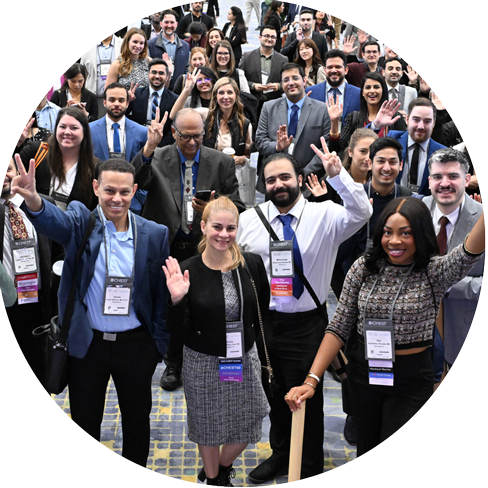
Feeling inspired by all the great sessions you’ve attended? Help shape the curriculum for CHEST 2027, October 24 to 27 in Vancouver, by submitting topic ideas from areas you’re passionate about, topics affecting your practice, or new technologies you’d like to learn more about. The submission deadline is Tuesday, December 1, at 2 pm CT.
