





No matter how experienced a clinician may be, there’s always a new question to answer or a more complex problem to solve. At CHEST 2026, more than 120 sessions will meet mid- and late-career clinicians at their level and address advanced topics in pulmonary, critical care, and sleep medicine.
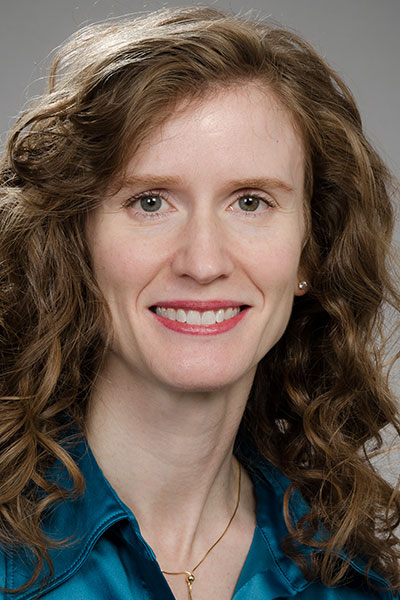
These sessions—all of which are tagged “Advanced” in the online schedule—make up almost half of the curriculum offerings at this year’s CHEST Annual Meeting, October 18 to 21 in Phoenix. It’s part of a deliberate effort to ensure that attendees of any experience level can easily find intellectually stimulating and clinically useful programming, said CHEST 2026 Scientific Program Committee Chair Amy Morris, MD, FCCP.
“These are meant to be deep dives—complex cases that will tickle the neurons of experienced attendees,” Dr. Morris said. “This isn’t straightforward content that fellows need as they prepare for their careers, nor is it simple review that you can get easily from online content.”
The advanced sessions are spread across 30 clinical topics, with significant crossover into major areas such as critical care, sleep disorders, lung cancer, obstructive lung diseases, and diffuse lung disease.
Some sessions will help clinicians expand their knowledge of emerging technologies and therapies, including Rewriting OSA Care: How GLP-1 Therapies Are Reshaping Sleep Medicine and From Hype to Hands-on: Real-World AI Skills for Busy Clinicians. Others, including Screening and Management of OSA in Pregnancy: Review of Etiology and New Guidelines From CHEST, will bring new standards into focus.
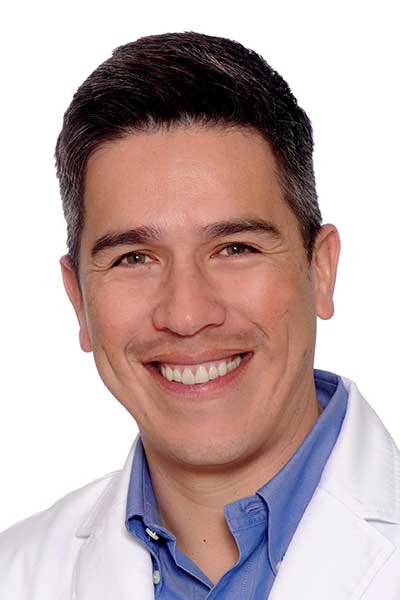
One of the biggest benefits for experienced clinicians is the ability to not only hear from but compare notes with other top minds in the field, said CHEST 2026 Scientific Program Committee Vice-Chair Mauricio Danckers, MD, FCCP.
“As a midcareer physician, you’re really comfortable in your practice. You know how to serve your community,” Dr. Danckers said. “At the same time, you want to make sure that your challenges, which are not easily answered by reviewing the literature, can be shared, compared, and discussed with all the experts who struggled with the same challenges in clinical practice.”
Dr. Morris added, “We have tried very hard to make sure that the speakers who are presenting in these sessions are those who are writing the articles, who are participating in the guideline development, who are well-established clinical experts and/or research experts in the areas that they’re talking about.”
That subject mastery will be especially evident in case-based sessions, such as Death by Neurological Criteria: Challenging Cases, as well as in unique debate and panel discussion sessions, such as Watch or Intervene? Pro-Con Debate on the Management of Subsolid Lung Nodules or Controversial Takes in Lung Transplant: Never Have I Ever.
Across the Advanced sessions, organizers have tried to give these expert presenters the space they need to meet experienced attendees’ expectations. Certain mixed-modality formats may extend past the meeting’s typical 60-minute session length and some may even include fewer speakers—all in the name of enhanced scientific rigor and complexity.
“We very deliberately tried to focus away from superficial, short subtopics, and ideally give [presenters] a little bit more time to dive into the content,” Dr. Morris said. “Having some sessions with fewer speakers allows them to go deeper into the content—deeper into the pathophysiology, the nuance of the research that’s being published that tells us how our practice is evolving and should evolve in this area.”
Call for Topics Is Open
Feeling inspired by all the great sessions you’ve attended? Help shape the curriculum for CHEST 2027, October 24 to 27 in Vancouver, by submitting topic ideas from areas you’re passionate about, topics affecting your practice, or new technologies you’d like to learn more about. The submission deadline is Tuesday, December 1, at 2 pm CT.
