




During this time of rapidly evolving technological and therapeutic changes, the space between “now” and “next” is becoming increasingly compact. CHEST 2026 is poised to help clinicians navigate this landscape and understand what’s around the bend in pulmonary, critical care, and sleep medicine.
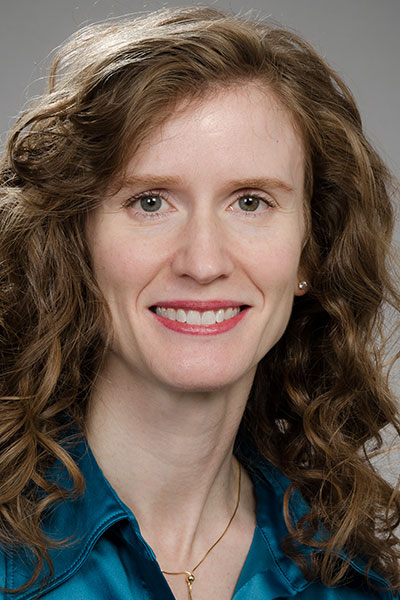
Looking to the clinical practice horizon will be a key focus across more than 300 educational sessions at this year’s CHEST Annual Meeting, taking place October 18 to 21 in Phoenix, Arizona, said CHEST 2026 Scientific Program Committee Chair Amy Morris, MD, FCCP.
“We’re trying to balance best practice standards now—sessions that will incorporate thought leaders and practice leaders in their respective specialties—with elements of what’s coming next,” Dr. Morris said.
“Every session I go to, I learn something that I can go home and use the next week in my clinical practice,” she said. “I also learn about things that are not ready for prime time yet, but it’s coming down the pike, and I can visualize how my practice may change in the future.”
Attendees will actively engage with scientifically rigorous updates from all major clinical areas, including airways diseases, chest infections, critical care, interstitial lung disease and transplant, cardiovascular and pulmonary vascular disease, sleep medicine, thoracic oncology, and interventional procedures. But in addition to essential sessions on need-to-know topics, Dr. Morris said, CHEST 2026 will also carve out space in the program to allow attendees to lean into their love of learning.
“I’m not going to take care of horses with sepsis, but isn’t that fascinating? I would love to learn more about that just because it’s interesting and exciting and it exercises my brain,” she said. “There will be lots of opportunities to just enjoy yourself and learn on the side, as opposed to going to a session specifically because you need to catch up on XYZ topic. A good meeting menu includes some degree of all of those things.”
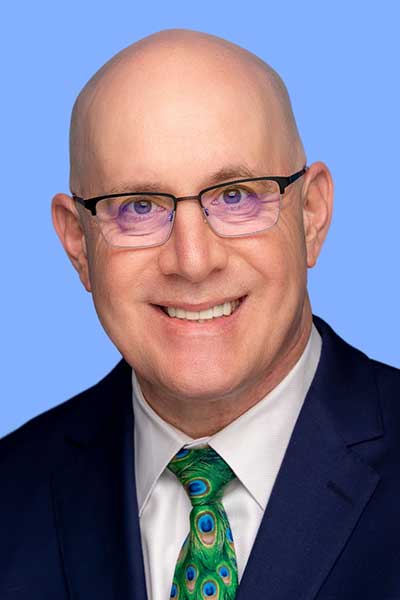
A wide variety of session formats will cater to all learning types—short expert lectures, longer deep-dive workshops, abstract and case report presentations, hands-on simulation sessions, panel discussions, debates, and more. And, as always, presenter perspectives will mirror the broad diversity of CHEST’s membership across multiple disciplines, institutional structures, and experience levels, said CHEST President Neil Freedman, MD, FCCP.
“It’s a meeting where there’s something for everybody on the care team,” Dr. Freedman said. “If you look at the curriculum across the four days of the meeting, there’s stuff for clinicians; there’s stuff for attendings and trainees, whether you’re a fellow, resident, or medical student; specific programming for advanced practice providers, for educators, for clinician leaders in health care, as well as for people who do basic and translational research.”
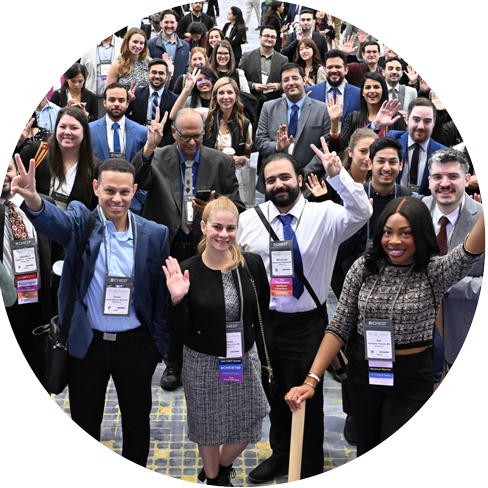
While the CHEST Annual Meeting’s clinical education offerings remain the best of the best, the vibrant community elevates it to a can’t-miss experience, Dr. Morris said.
“You can get good information about the latest research or clinical practice from lots of meetings. You could get it from your own computer. But what you can’t get is that feeling of community,” she said. “You are in a place together with other people within your specialty who share your same passions, your same interests, your same frustrations with your day-to-day.”
Attendees will be able to connect with like-minded peers through CHEST’s Networks and Interest Groups. Friends and colleagues can meet up to watch the CHEST Challenge Championship fellows competition, play CHEST’s trademark games in the Exhibit Hall, and explore the natural beauty, culture, and culinary scene of Phoenix. All members of the CHEST community are invited to devote time to growing as a human in medicine.
“We are walking through a rocky landscape sociopolitically, doing the best we can, practicing the best possible medicine that we can. We are looking ahead to what’s in the future, and we are moving toward the horizon together as a community,” Dr. Morris said. “Hopefully folks will feel a sense of community while they’re here that lingers when they go home on both a personal and professional level.”
Call for Topics Is Open
Feeling inspired by all the great sessions you’ve attended? Help shape the curriculum for CHEST 2027, October 24 to 27 in Vancouver, by submitting topic ideas from areas you’re passionate about, topics affecting your practice, or new technologies you’d like to learn more about. The submission deadline is Tuesday, December 1, at 2 pm CT.
