





Breathing shouldn’t come at a premium, but for patients with asthma and COPD, high medication costs can make essential treatment difficult to access. The financial barriers contribute to delayed treatment, medication nonadherence, and preventable exacerbations—but clinicians aren’t powerless in addressing medication affordability for their patients.
During a CHEST 2026 session, The Price of Breathing: Addressing High Medication Costs Through Policy and Practice, on Monday, October 19, in Phoenix, experts explored the regulatory and market factors driving medication costs and discussed practical strategies for navigating financial barriers and advocating for greater affordability.
Patents and generic competition

William Feldman, MD, MPH, Associate Professor of Medicine and Director of the Pharmaceutical Policy and Outcomes Lab in the University of California, Los Angeles, David Geffen School of Medicine, discussed how patent protections and limited generic competition have contributed to persistently high inhaler prices.
He cited research showing that manufacturers earned approximately $178 billion in inhaler revenue between 2000 and 2021, with nearly two-thirds of revenue generated after patents on the medications’ active ingredients expired. Additional patents covering inhaler devices and formulations can delay generic competition, he explained.
Of the 37 brand-name inhalers on the US market, only eight have generic competition, Dr. Feldman noted. Even among those products, most have only one or two generic competitors.
“We really see price declines when we get six, seven, eight generic competitors. We’re not there yet with any of them, and the inhalers remain expensive,” he said.
Initiatives to lower costs

Stephen Mein, MD, a health policy and health services researcher at Beth Israel Deaconess Medical Center in Boston, took a closer look at federal and state policies aimed at reducing patients’ out-of-pocket medication costs, including provisions of the Inflation Reduction Act and state-level inhaler copay caps.
Under the Inflation Reduction Act, approximately 360,000 Medicare beneficiaries with asthma or COPD were projected to benefit from the annual out-of-pocket spending cap, each saving approximately $1,000 per year, Dr. Mein reported.
At the state level, five states have implemented inhaler copay caps ranging from $25 to $50 for certain state-regulated insurance plans. However, Dr. Mein noted, data are still lacking on how many patients these policies will reach and whether they will improve access.
“We really have no data on if this is going to be meaningful for patients, how many patients it will actually affect, or what the outcome of these will be. But there are other states that are considering other similar policies in the near future,” he said, describing the varying policies as a patchwork of solutions that may not address the underlying causes of high costs.
Dr. Mein concluded by encouraging clinicians to discuss medication costs with their patients, just as they would address inhaler technique and adherence.
“I would put this on your list of ‘Is this a barrier to your patient, and what can we do about it?’” he said.
Advocating for better access
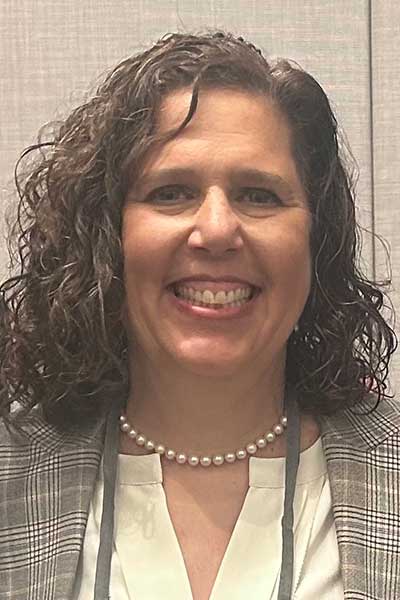
Robyn Cohen, MD, MPH, Associate Professor of Pediatrics at Boston University Chobanian and Avedisian School of Medicine and Associate Medical Director for Asthma Initiatives with the Population Health Team of the Boston Medical Center Health System, highlighted how clinicians can advocate for medication affordability, drawing on her experience following the discontinuation of Flovent HFA (fluticasone propionate) in 2024.
The discontinuation created challenges for patients and clinicians navigating insurance coverage for alternative inhalers, particularly for children with asthma. In response, Dr. Cohen and fellow pediatric pulmonologists contacted lawmakers, worked with reporters, and used professional organizations to raise awareness of medication access barriers.
“We really tried to keep the story in the news,” she said.
Their efforts included letters to senators, media outreach, and meetings with policymakers and insurance representatives. Dr. Cohen encouraged clinicians to use resources available through professional societies and their institutions to advocate for patients.
“You have a voice,” she said. “You are part of networks that have a voice, and there are resources to help get you started. We have to be the change we seek.”

Call for Topics Is Open
Feeling inspired by all the great sessions you’ve attended? Help shape the curriculum for CHEST 2027, October 24 to 27 in Vancouver, by submitting topic ideas from areas you’re passionate about, topics affecting your practice, or new technologies you’d like to learn more about. The submission deadline is Tuesday, December 1, at 2 pm CT.
