





As artificial intelligence (AI) becomes increasingly embedded in everyday life and clinical practice, questions remain about its impact on the human side of medicine. Can AI give clinicians more time with patients? Can it demonstrate empathy? And how can clinicians address potential bias?
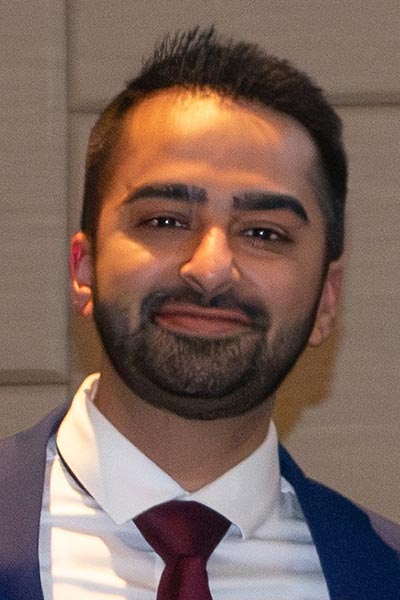
These questions took center stage during the CHEST 2026 session Can AI Be Leveraged to Make Us More Human? A Pro-Con Debate on Sunday, October 18, in Phoenix. Hassan Bencheqroun, MD, FCCP; Abhishek Bhardwaj, MD; Navi Kaur, MD; and audience members weighed in for a high-spirited discussion about the potential benefits and risks of AI in the clinical care setting. Gaurav Manek, MD, FCCP, Assistant Professor of Medicine at Georgetown University, chaired the session.
Can AI give clinicians more time with patients?
When AI gives clinicians more time, they should embrace that, said Dr. Bencheqroun, host of the podcast The AI-Ready Doctor. He challenged the top-of-mind concerns that AI could eventually replace clinicians.
“We have this idea that it’s going to replace us,” he said. “I’m done with this. I want us to move forward from this tired trope. Enough.”
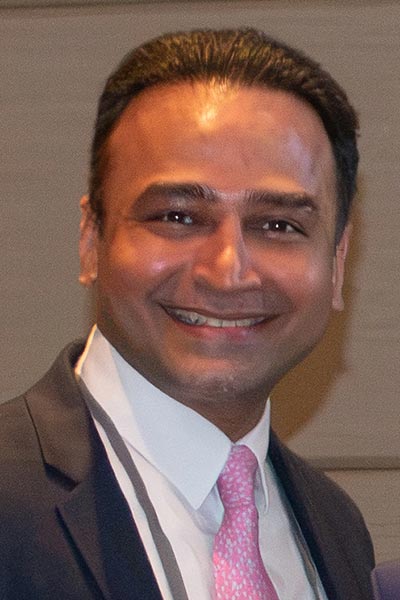
Dr. Bhardwaj, moderator of the journal CHEST® Humanities podcast, acknowledged the potential downstream benefits of AI, especially for clinicians in private practice.
“If you get offloaded some of this time, then you can see more patients. You can provide more access,” he said.
“I think the biggest worry is that time won’t go back to the patient,” countered Dr. Kaur, Associate Program Director of Pulmonary and Critical Care Medicine Fellowship at Sutter Roseville Medical Center.
Can AI demonstrate empathy?
Dr. Kaur raised concerns about the distinction between AI-generated empathy and genuine human connection.

“There’s a difference between sounding empathetic and being empathic,” she said. “When you’re talking about the mechanics of the situation, AI can sound very empathetic, but you do have to disclose that you used AI. At that point, the only way you can build trust with your patients is through transparency, right?”
Dr. Kaur also questioned whether AI could provide the same emotional support as a clinician in difficult conversations with patients’ families, particularly in the ICU. She described a scenario in which a patient’s daughter asks whether doctors are giving up on her father, raising questions about AI’s ability to offer the empathy and human presence such moments require.
Dr. Bencheqroun suggested that AI could help clinicians navigate emotionally difficult conversations when fatigue makes it challenging to find the right words.
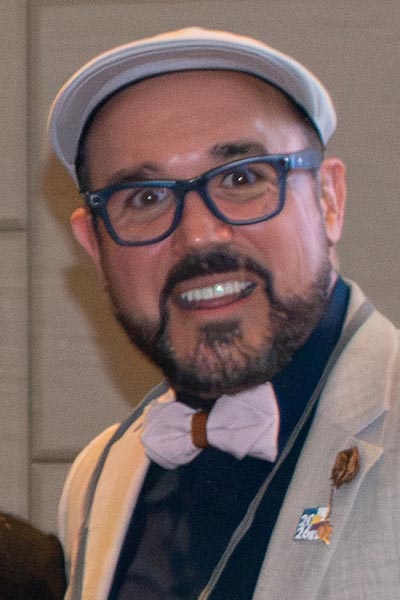
“Give me sentences,” he said. “It’s literally like asking your attending, ‘What do you say to this?’ And your attending says, ‘Well, here’s some sentences that are used.’ What’s the harm?”
Still, Dr. Bencheqroun acknowledged the importance of human connection in these encounters, agreeing with Dr. Kaur that “AI will never hold that hand.”
How can AI bias be addressed?
Speakers also focused on AI’s potential to perpetuate and amplify existing biases in health care, raising questions about how these inequities can be identified and addressed.
“Where is AI getting this information from?” Dr. Kaur said. “They’re not getting it from a perfect, unbiased world, right? They’re getting it from our research, our health care systems. Everything is already out there. Our health care has its inequities. It’s going to help with health care delivery—to whom, though?”
Dr. Bencheqroun noted that AI bias can be measured and audited, allowing researchers to identify disparities and potentially correct them. However, Dr. Kaur said, not everyone will choose to pay attention to or correct those issues.
Preserving the human side of medicine
Despite differing perspectives on AI’s role in clinical care, the discussion ultimately returned to the importance of preserving human elements in medicine.
“I want everyone to think about one thing: This is an opportunity for us to remember why we all became doctors,” Dr. Bhardwaj said. “I think it will give us back, hopefully, that opportunity to be the physician we want to be, bring us back to our values. I don’t think it will replace us, but I also don’t want it to take away that one thing that gives us joy in our profession.”
Download the CHEST Events App
Plan your schedule and ensure you don’t miss key CHEST 2026 sessions with the CHEST Events app. The app is your best source of information to ensure that you maximize your experience at the meeting.
