





Idiopathic pulmonary fibrosis (IPF) is a progressive and deadly disease with just a handful of treatment options. However, existing antifibrotic medications do not reverse the disease; they just slow progression. They also have been associated with challenges such as affordability and toxicity.
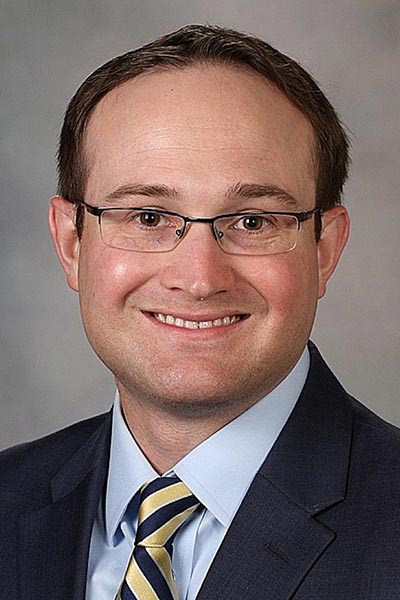
To complement new drug discovery, drug repurposing—taking an existing medication approved for another indication and testing new uses for it—is a possible alternative. In the case of IPF, preclinically, there may be “some hint of an antifibrotic effect” in already approved medications, such as the diabetes drug metformin, said Timothy Dempsey, MD, MPH, FCCP, Assistant Professor of Medicine at the University of Pittsburgh Medical Center.
During CHEST 2026, Dr. Dempsey will chair the session Old Drugs, New Tricks: The Reemergence of Drug Repurposing for Idiopathic Pulmonary Fibrosis at 4:30 pm MST on Monday, October 19, in the Phoenix Convention Center, West Building, Room 102A. Experts will examine the potential of this therapeutic strategy for IPF and identify potentially useful, repurposed drug candidates for this pulmonary condition.
Drug repurposing is not a new strategy, Dr. Dempsey said, but there has been an improvement in observational trial design of older medications for new indications as well as techniques in machine learning and precision medicine that have set up drug repurposing for greater success.
“In recent years, there have been a lot of advancements in observational trial design that have allowed these trials to more closely emulate randomized controlled trials and render the clinical data you are getting before the trial a little more accurate,” he said.
Dr. Dempsey will begin the session by discussing the evolution of drug repurposing in IPF, focusing on the historical context of this strategy for the disease, the success of the oral antifibrotic medication nintedanib, and the early buzz surrounding the ongoing randomized MAVRIC-IPF trial of metformin.
Qingqing “Stella” Meng, MD, Pulmonary and Critical Care Medicine Fellow at the University of Pittsburgh Medical Center, will discuss how precision medicine, proteomics, and biomarkers are advancing the field of pulmonary fibrosis.
Erica Farrand, MD, Associate Professor of Medicine at the University of California, San Francisco, will then review the hot topic of how machine learning and artificial intelligence are helping researchers to accelerate drug repurposing in IPF and potentially make it more effective.
Andrew Limper, MD, FCCP, Walter and Leonore Annenberg Professor in Pulmonary Medicine at Mayo Clinic, will share closing remarks and answer questions from the audience.
“Real-word observational studies may show whether people who are already on a drug for an existing condition may benefit from its effects for another condition. For instance, if there is a drug that works on heart failure, it might have some preclinical data for antifibrotic purposes,” Dr. Dempsey said.
“Obviously, we would love to get new medications through randomized trials and de novo drug discovery, but that takes a very long time,” he added. “And in a rare disease like IPF, it is difficult to set up trials for it.”
Download the CHEST Events App
Plan your schedule and ensure you don’t miss key CHEST 2026 sessions with the CHEST Events app. The app is your best source of information to ensure that you maximize your experience at the meeting.
