





Pneumothorax is a challenging clinical condition that every pulmonologist and intensivist will be faced with managing at some point, and complex cases often challenge traditional algorithms. Evidence supporting appropriate tools and treatment strategies for patients who are ambulatory vs hospitalized has evolved considerably over the past few years.
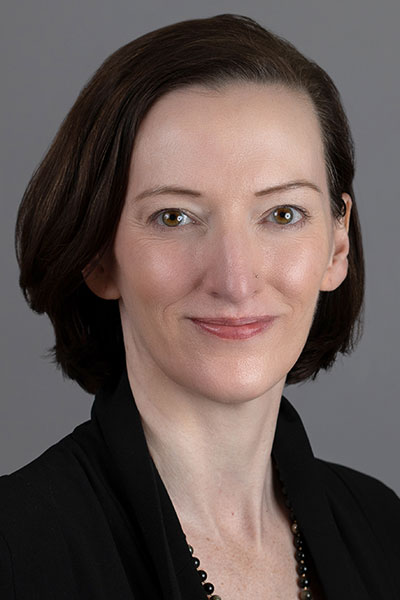
Three experts will discuss the changing guidelines and expanding real-world practices, as well as share troubleshooting pearls, during the CHEST 2026 session Pneumothorax in 2026: Best Practices, Bedside Tricks, and Case-Based Decision-Making at 9:15 am MST on Monday, October 19, in the Phoenix Convention Center. Laura Kathleen Frye, MD, FCCP, Associate Professor in the Department of Internal Medicine and Director of Interventional Pulmonology at UT Southwestern Medical Center, will chair the session.
“We often think that pneumothorax is a straightforward diagnosis, but it really becomes a complex decision,” she said. “We’re planning to tackle that decision-making in this session about who needs an intervention, what that intervention should be, and then how aggressively we should treat or try to prevent recurrence.”
Joining Dr. Frye will be Abhinav Agrawal, MD, FCCP, Director of Interventional Pulmonology and Bronchoscopy at Northwell Health, and Steven Walker, PhD, MBChB, BSc, Associate Professor in Respiratory Medicine at Bristol Medical School.
Dr. Agrawal will discuss clinical updates in primary spontaneous pneumothorax, including risk stratification, intervention, and recurrence prevention. Dr. Walker will explore secondary pneumothorax, focusing on evidence-based management of complex lung disease. Following the first two presentations, which will offer straightforward cases that fit the guidelines, Dr. Frye will work through scenarios to bring to the bedside, sharing troubleshooting tips for when tubes are not functioning as expected.
“We will allow the audience to make decisions along with us and also allow time to present cases to us to explore,” Dr. Frye said. “This is an opportunity to have an interactive master class with individuals who are shaping guidelines for pneumothorax.”
The goal of this session is for attendees to leave armed with three things, Dr. Frye said. First, they should be able to identify which patients can safely avoid an intervention. Second, they should be able to recognize individuals who may require earlier escalation of treatment or recurrence prevention. Third, they should have some tools for troubleshooting how to handle a chest tube that is not behaving as expected.
“We are not just reviewing the topic of pneumothorax in this session. We want to help attendees to become more confident in how to manage difficult cases that they are going to encounter on the wards,” Dr. Frye said. “So we ask attendees to come to the session with their most difficult cases of pneumothorax for the panel to discuss.”

Call for Topics Is Open
Feeling inspired by all the great sessions you’ve attended? Help shape the curriculum for CHEST 2027, October 24 to 27 in Vancouver, by submitting topic ideas from areas you’re passionate about, topics affecting your practice, or new technologies you’d like to learn more about. The submission deadline is Tuesday, December 1, at 2 pm CT.
