





The presence of lung nodules presents a diagnostic challenge, and differentiating among benign processes can be complex, especially in certain geographic areas. The clinical scenario can become even more complicated when granulomatous, inflammatory, and infectious nodules masquerade as malignancies.
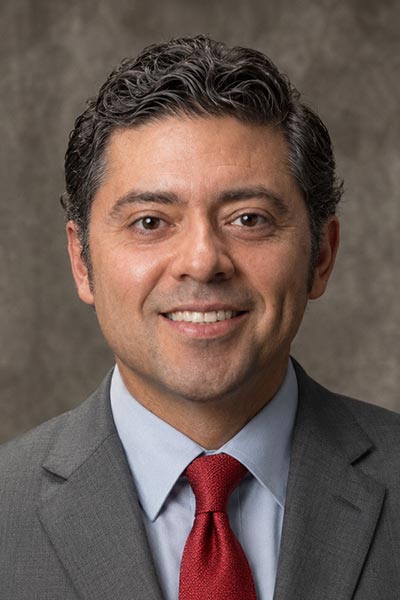
“In our pursuit of lung cancer, we often find other unrelated mysteries that are hiding in the lungs,” said Francisco Marquez, MD. “At first glance, some of these mysteries look almost indistinguishable from lung cancer.”
Experts will provide practical tools to improve the diagnostic accuracy of an assortment of lung nodules during the CHEST 2026 session The Great Imitators: Lung Nodules, Cancer Mimics, and Fungal Disease at 11:15 am MST on Wednesday, October 21, in the Phoenix Convention Center, North Building, Room 126B.
Dr. Marquez, a procedural pulmonologist at the Phoenix VA Medical Center and Assistant Clinical Professor of Medicine at the University of Arizona College of Medicine-Phoenix, will chair the session and begin by discussing how to assess both granulomatous and inflammatory lung nodules.
“There are many inflammatory phenotypes, and then there are noninflammatory phenotypes,” he said. “Within each subtype, there is still a lot of blending of different possibilities.”
The etiologies of such granulomatous lung nodules are myriad. They may include remote or newer infections, toxic exposures, smoking, early interstitial lung diseases, pulmonary injuries, and even allergies.
Stephanie Voorhees, MD, Associate Clinical Professor of Medicine at the University of Arizona College of Medicine-Phoenix, will review the key radiographic, clinical, and pathologic features of fungal and infectious lung nodules. In the Southwest in particular, these pulmonary lesions often can be mistaken for cancerous nodules.
“The big one in the Southwest is Valley Fever, or coccidioidomycosis,” Dr. Marquez said. “Everyone living in the Southwest has been exposed, so the question becomes how each host responds to it.”
To confidently distinguish coccidioidomycosis from lung cancer, it is often necessary to perform a lung nodule biopsy. According to Dr. Marquez, pulmonologists need to learn how to interpret the pathology of a benign infectious nodule and pick up the finer details of how such lesions may manifest.
Andres Mora Carpio, MD, MHS, Assistant Professor of Medicine at Oregon Health and Science University School of Medicine, will close the session by focusing on using frameworks to evaluate lung nodules and clinical clues for recognizing common diagnostic pitfalls to prevent unnecessary invasive procedures.
“Unfortunately, biopsy does not tell the whole story, especially in those nodules that are not lung cancer and may have nonspecific findings,” Dr. Marquez said. “The true task is unlocking the mystery of the benign lung nodule.”

Call for Topics Is Open
Feeling inspired by all the great sessions you’ve attended? Help shape the curriculum for CHEST 2027, October 24 to 27 in Vancouver, by submitting topic ideas from areas you’re passionate about, topics affecting your practice, or new technologies you’d like to learn more about. The submission deadline is Tuesday, December 1, at 2 pm CT.
