




In recent years, two major guidelines and a new therapeutic option have emerged for the management of noncystic fibrosis (non-CF) bronchiectasis. Particularly considering the disease’s challenges and heterogeneous patient population, that pace of change could be overwhelming for general pulmonologists, who need practical, clinic-ready strategies.
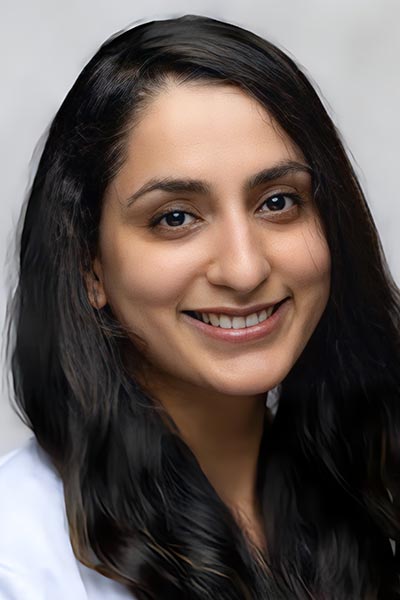
“There has been a lot of movement and excitement in this area, from having no approved therapies to now a brand new, FDA-approved, mechanistically driven therapy in the past year or so,” said Malvika Kaul, MD, FCCP, referencing the dipeptidyl peptidase 1 (DPP-1) inhibitor brensocatib.
At CHEST 2026, Dr. Kaul, Assistant Professor of Clinical Medicine in the Division of Pulmonary, Critical Care, Sleep, and Allergy at University of Illinois Health, will chair a case-based session to help general pulmonology practitioners keep up with these changes. Bronchiectasis 2026: Guidance for the General Pulmonologist will take place at 1:30 pm MST on Sunday, October 18, in the Phoenix Convention Center, West Building, Room 102A.
During the session, Ashwin Basavaraj, MD, FCCP, Section Chief of Pulmonary, Critical Care, and Sleep Medicine at NYU Langone Health, will discuss CHEST’s recently released guideline on the management of adult bronchiectasis. He will compare these North American recommendations with European guidelines from a few years ago, discuss how they may differ, and offer key takeaways for clinicians looking to adapt them into their daily practice.
Dr. Kaul will then provide guidance on sputum collection and airway clearance, “which is a core modality when it comes to management of this disease,” she said. “This disease is so heterogeneous; choosing the right device and therapy for the right patient is essential.”
Sunjay Devarajan, MD, FCCP, Assistant Professor at Baylor College of Medicine, will discuss current and emerging therapies for this increasingly encountered non-CF pulmonary condition, such as DPP-1 inhibition, macrolide therapy, and inhaled antibiotic use. Ashley Losier, MD, Assistant Professor at Yale School of Medicine, will close the session with a glimpse into what is next in the pipeline therapeutically.
“We will also talk about what to do when patients do not fall into the ideal boxes and phenotype,” Dr. Kaul said. And, if time permits, attendees will be able to share their own cases with the experts for their insights.
The overall intent of the session is to provide useful and applicable information for all—regardless of job title.
“Hopefully, everyone who cares for patients with bronchiectasis—from trainees who are new to learning about bronchiectasis to clinicians, advanced practice providers, nurses, therapists, and other allied professionals—will gain something from this session,” Dr. Kaul said.
Call for Topics Is Open
Feeling inspired by all the great sessions you’ve attended? Help shape the curriculum for CHEST 2027, October 24 to 27 in Vancouver, by submitting topic ideas from areas you’re passionate about, topics affecting your practice, or new technologies you’d like to learn more about. The submission deadline is Tuesday, December 1, at 2 pm CT.
