





As TB cases continue to rise in the United States and clinicians increasingly care for patients with complex comorbidities, managing TB has become far more nuanced than simply prescribing a standard treatment regimen.
During CHEST 2026, attendees will have an opportunity to learn about the challenging clinical scenarios that arise when patients do not follow the expected treatment course in Beyond RIPE: Exploring Strategies in Complex TB Management at 9:45 am MST on Sunday, October 18, in the Phoenix Convention Center. An expert panel will discuss practical guidance for navigating complications, adverse drug effects, surgical decision-making, and the long-term consequences of disease.
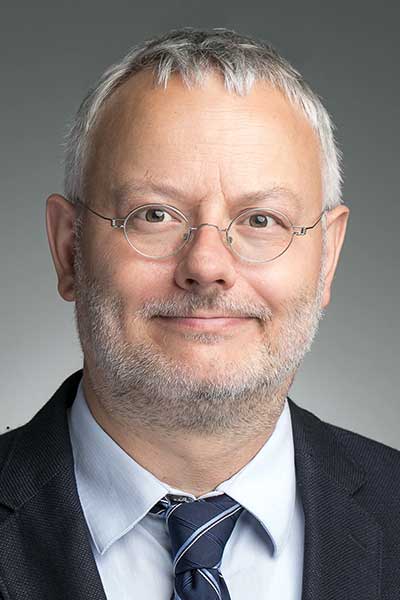
Sebastian Kurz, MD, PhD, FCCP, Associate Professor at Yale University and Clinical Director of the COPD Program at the Yale Center for Asthma and Airway Disease, will chair the session. He will be joined by Mansi Chaturvedi, MD, MBBS, Assistant Professor at the Virginia Commonwealth University School of Medicine; Patricio Escalante, MD, MSc, FCCP, Professor and Director of the Thoracic Diseases Research Unit at Mayo Clinic; and Amee Patrawalla, MD, MPH, FCCP, Associate Professor and Program Director of the Pulmonary and Critical Care Fellowship at Rutgers New Jersey Medical School.
Rather than focus on routine TB management, the experts will explore the clinical gray zones that often create uncertainty for pulmonary and critical care clinicians, Dr. Kurz said. Attendees will examine how to distinguish treatment failure from immune reconstitution inflammatory syndrome (IRIS) and paradoxical reactions, when medication toxicities warrant regimen modification, and how surgical interventions may play an important role in carefully selected patients who do not respond as expected to medical therapy alone.
According to Dr. Kurz, one of the most important messages for clinicians is maintaining confidence in effective first-line therapy even when complications emerge.
“The majority of patients with TB will do fine with guideline-based therapy,” he said. “When complications arise, expert advice should be sought, and most patients will be able to continue their treatment.”
That perspective informs a central theme of the session: recognizing situations that appear alarming without abandoning therapies that are still working. Misinterpretation of treatment-related complications remains a common challenge, Dr. Kurz noted. Understanding those distinctions can prevent unnecessary treatment changes while helping clinicians identify the patients who truly require escalation of care.
“Don’t give up on a working and effective first-line treatment regimen,” he said. “IRIS and paradoxical reactions follow a predictable time course and should not be confused with treatment failure.”
The session will also highlight particularly high-stakes scenarios, including central nervous system TB. Determining whether it is a case of ineffective treatment or a paradoxical reaction can have profound consequences, as one direction may require intensification of antimicrobial therapy while the other may require greater immunosuppression. These cases can also introduce difficult questions about neurosurgical intervention, especially when surgeons may have limited experience with TB-related disease, Dr. Kurz said.
Finally, panelists will discuss an emerging understanding of the burden and potential management strategies for post-TB lung disease, since a history of TB can have a lasting impact on health and quality of life after convalescence, Dr. Kurz said.
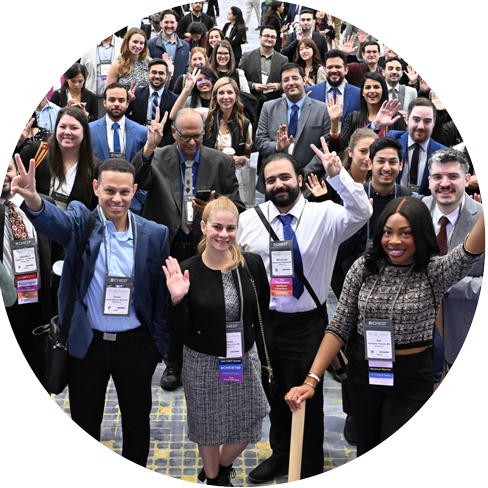
Join Us at CHEST 2026
Connect in person with influential clinicians from around the world—and attend top-tier educational sessions focusing on the most relevant clinical topics. CHEST 2026 will have it all, including optional add-on sessions to customize your learning.
