





Mucus plugging has long been recognized as a consequence of chronic airway disease, but growing evidence suggests it may also serve as a powerful indicator of disease severity, progression, and outcomes. At CHEST 2026, a dedicated session will explore how advances in imaging, phenotyping, and treatment are changing the way clinicians understand and manage this complex clinical problem.
Mucus Plugging in Airway Disorders: From Imaging to Therapeutics will take place at 11 am MST on Monday, October 19, in the Phoenix Convention Center, West Building, Room 103A. The session will bring together experts whose work spans asthma, COPD, bronchiectasis, and advanced chest imaging to provide a practical, disease-spanning perspective on mucus retention and airway obstruction.
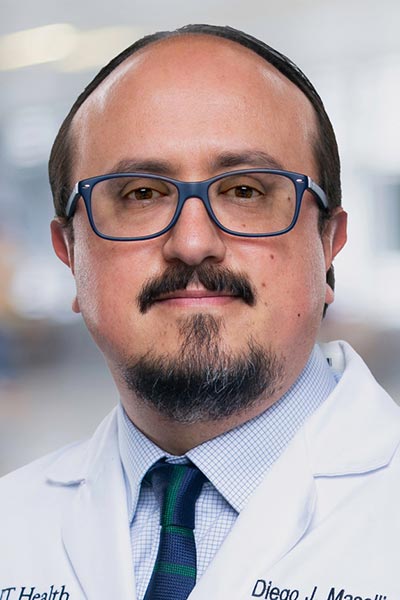
“There have been important advances in the radiographic assessment of mucus plugging over the past several years,” said Session Chair Diego Maselli, MD, FCCP. “As awareness has increased, several CT-based mucus plug scoring systems have been developed to better quantify disease burden. More recently, AI and automated imaging approaches have shown promise for identifying, quantifying, and characterizing mucus plugs. These technologies may ultimately allow us to assess mucus plugging more consistently and potentially incorporate it into clinical phenotyping and treatment decisions.”
Dr. Maselli, Professor and Chief of the Division of Pulmonary Diseases and Critical Care Medicine at UT Health San Antonio, will open the program with a discussion of mucus plugging as a key contributor to airflow limitation in asthma. Drawing on emerging imaging data and clinical observations, he will examine how mucus burden influences symptoms, exacerbation risk, and therapeutic decision-making, highlighting why airway obstruction in asthma cannot always be explained by bronchoconstriction alone.
The focus will then shift to COPD with a presentation from Alejandro Diaz, MD, MPH, Assistant Professor of Medicine at Harvard Medical School and Associate Scientist in the Division of Pulmonary and Critical Care Medicine at Brigham and Women’s Hospital. Dr. Diaz will review research linking mucus plugs to adverse outcomes and mortality, discussing how quantitative imaging biomarkers are helping investigators better understand the prognostic significance of airway mucus in COPD.
The final presentation will be delivered by Stephanie Christenson, MD, Professor in the Division of Pulmonary, Critical Care, Allergy, and Sleep Medicine at the University of California, San Francisco. Her talk will focus on bronchiectasis, where chronic mucus retention remains a central driver of symptoms and disease progression. Attendees can expect a practical review of contemporary management strategies, including airway clearance approaches, pharmacologic therapies, and emerging interventions aimed at improving mucus mobilization and reducing recurrent obstruction.
“One of the most exciting developments is the increasing recognition of mucus plugging as a potentially modifiable treatment target,” Dr. Maselli said. “Emerging studies of biologic therapies in both asthma and COPD are evaluating their effects on mucus plugs, and some ongoing studies are specifically incorporating reduction in mucus plug burden as an important outcome. We are also learning more about how airway clearance strategies and, in selected cases, bronchoscopic interventions may help patients with significant mucus obstruction.
“The field is moving toward understanding which patients have clinically important mucus plugging, what mechanisms are driving it, and which therapies are most effective for a given phenotype.”
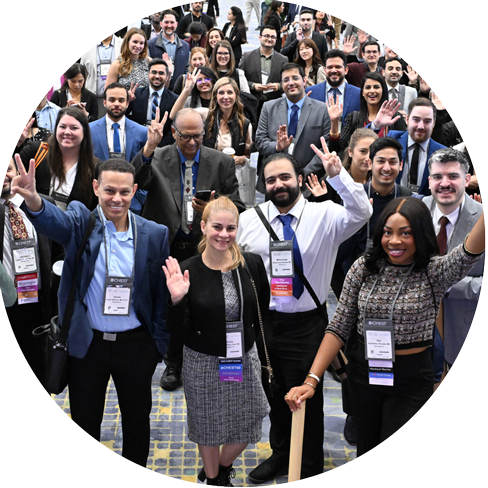
Download the CHEST Events App
Plan your schedule and ensure you don’t miss key CHEST 2026 sessions with the CHEST Events app. The app is your best source of information to ensure that you maximize your experience at the meeting.
