



Western medicine will meet the native healing traditions of the American Southwest during a unique panel discussion at CHEST 2026. Representatives from some of the 22 federally recognized tribes in Arizona will share their personal and professional experiences during the panel discussion Ways of Knowing, Ways of Healing: Indigenous Perspectives in Medicine at 9:45 am on Sunday, October 18, in the West Building, Room 103A of the Phoenix Convention Center.
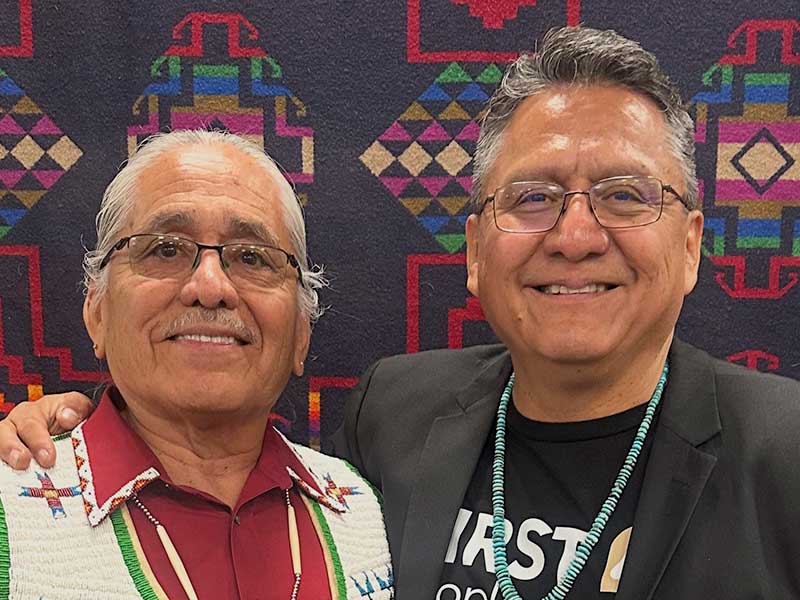
“Hopefully our audience will understand that our Indigenous people look at health and illness in a different way than just the absence of disease or illness,” said John Molina, MD, JD, DHL, one of four local health care professionals on the panel. “It’s not only the pill or the scalpel that will take care of an illness. Indigenous people believe in a holistic sense of being—mind, body, spirit.”
A member of the Pascua Yaqui Tribe and the Yavapai-Apache Nation, Dr. Molina is a retired physician and hospital administrator. He now leads a team that provides training, education, advocacy, and workforce development for Indigenous communities throughout the state as the Director of the Arizona Advisory Council on Indian Health Care.
“All we’re doing in this panel is sharing the perspectives of Native people and how they view health and disease to help the non-Indigenous person better understand where this patient is coming from,” said Dr. Molina, who noted that there’s no single pan-Indigenous perspective on traditions or spiritual practices. Indigenous people come from diverse tribal nations, each with its own distinct history, culture, beliefs, and ceremonial traditions, he said.
“Among Indian people, there’s a diversity,” Dr. Molina explained. “There’s a group that still believes in Indigenous ways of healing through plant-medicine ceremonies, and then there’s a group that only relies on Western medicine. Then there are those in between that use a little bit of both.”
Panelist Evener Scott, Director of Diversity, Equity, Inclusion, and Belonging for HonorHealth and a member of the Diné (Navajo) Nation, agreed that Indigenous approaches to health and wellness align with Western medicine in some areas but differ in others. Providing culturally responsive care involves recognizing where these perspectives complement one another and where they diverge and then working collaboratively with patients to respectfully reconcile both approaches in support of their health and healing, he said.
Regardless of a patient’s cultural background, generational trauma and present-day social determinants of health also need to be part of the clinical conversation to achieve true health equity, Scott added.
“I heard an Indigenous health leader say, ‘The path to equity begins with the truth, and sometimes the truth is painful,’” he said. “Acknowledging these truths is not about assigning blame for the past. It is about developing the awareness, humility, and understanding needed to provide compassionate, culturally responsive care and strengthen trusting relationships with the patients and communities we serve.”
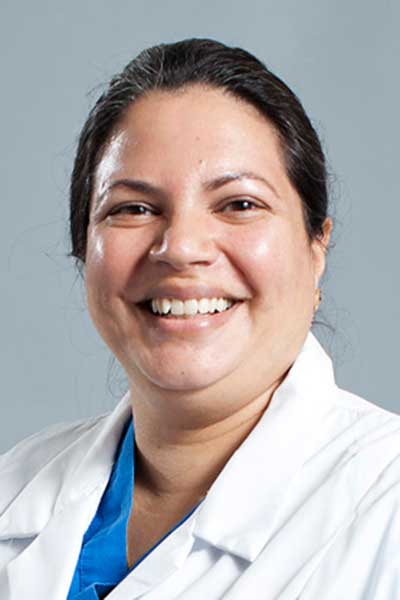
Another panelist, Navaz Dolasa, MD, Pediatrician and Medical Educator for Gila River Health Care, advocates for earlier health literacy education—generally lacking across schools in the United States—to facilitate health equity among Indigenous populations.
Dr. Dolasa’s work with the Area Health Education Centers at the University of Arizona includes pediatric outreach that serves children from about 200 tribal affiliations, creating unique cultural competency needs among participating health professionals. One of the key lessons early career providers must learn is that medical care must be tailored to the people being served, she said.
“You can’t just say, ‘Oh, well, the textbook says this.’ You have to connect with your community,” Dr. Dolasa said.
Annie Rusk, MD, who sits on the CHEST Health Equity Task Force and is a member of the Blackfeet Nation, will facilitate a conversation with the panel.
Hosting the CHEST Annual Meeting in Phoenix for the first time has given the organization a unique platform to amplify Indigenous approaches to health and wellness, said Elizabeth Stigler, PhD, CHEST Senior Director of Equity and Community Engagement. As a border state, Arizona is also home to immigrants from Mexico and across the globe, so the panelists will share guidance for serving other culturally diverse communities as well.
“It’s truly a dialogue here, so there are no bad questions and no wrong answers,” Dr. Stigler said. “We’d love for folks to come prepared to listen but also to be part of the conversation. This isn’t only for people who work with Indigenous communities. This is for everyone at any stage in their career to learn about identifying a culturally responsive approach to health and healing.”
Call for Topics Is Open
Feeling inspired by all the great sessions you’ve attended? Help shape the curriculum for CHEST 2027, October 24 to 27 in Vancouver, by submitting topic ideas from areas you’re passionate about, topics affecting your practice, or new technologies you’d like to learn more about. The submission deadline is Tuesday, December 1, at 2 pm CT.
