





In the field of central sleep apnea (CSA), once dominated by broad questions about whether device therapy should be used at all, clinicians are now grappling with a more sophisticated challenge: determining which therapy is most appropriate for which patient.
As new evidence continues to emerge for adaptive servo-ventilation (ASV) and transvenous phrenic nerve stimulation (TPNS), clinicians are increasingly asked to move beyond one-size-fits-all approaches and toward phenotype-driven, patient-centered care.
During CHEST 2026, experts will examine this evolving landscape, with a particular focus on patients with heart failure and other complex forms of CSA, during Therapy and Phenotype in Central Sleep Apnea: Adaptive Servo-Ventilation vs Phrenic Nerve Stimulation, at 2:45 pm MST on Tuesday, October 20.
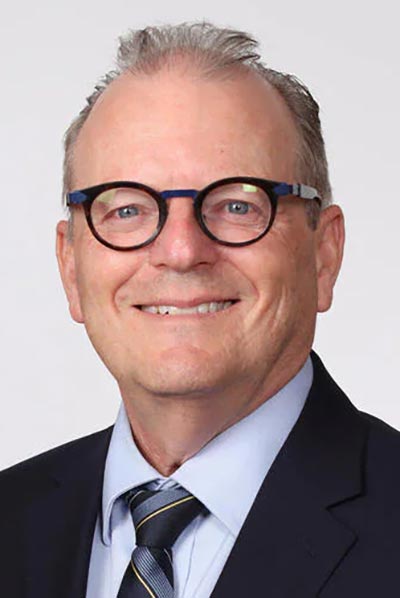
Session Chair Timothy I. Morgenthaler, MD, FCCP, said faculty will review key mechanistic insights, discuss contemporary trial data, and address how recent findings have reshaped clinical decision-making. Attendees will gain practical guidance on questions increasingly encountered in clinical practice: When should CPAP be continued? When should ASV be considered? Which patients are most likely to benefit from TPNS? And what factors should drive those decisions?
Dr. Morgenthaler, Professor of Medicine at Mayo Clinic, will introduce CSA phenotyping and offer an overview of device-based treatment pathways. One of the most important developments in recent years has been a growing recognition that CSA itself is not a single entity, but rather that it is heterogeneous, he said. That shift in understanding has fundamentally changed how clinicians approach treatment selection. Rather than viewing ASV as either universally appropriate or universally contraindicated, treatment decisions need to be patient-centered, he said.
“We have to think more about the individual patient, their underlying disease—what are their goals, and what outcomes are we really trying to improve?” he said.
Session Co-Chair Kara L. Dupuy-McCauley, MD, FCCP, Pulmonary and Sleep Medicine Specialist at Mayo Clinic, will discuss patient outcomes and shared decision-making. The session will challenge attendees to reconsider how success is measured, Dr. Morgenthaler said. Historically, sleep medicine has focused heavily on physiologic metrics such as apnea-hypopnea index and respiratory-event reduction. While those measures remain important, many experts increasingly believe they are only part of the clinical picture.
“The most important question is, ‘Is the patient better?’” he said, emphasizing that “correcting the breathing pattern is important, but I don’t think it’s necessarily the same thing as improving their life.”
Michael Arzt, MD, Senior Physician and Head of the Department of Internal Medicine at the University Hospital Regensburg, will take a deep dive into ASV and its indications. Renaud Tamisier, MD, PhD, MBA, Professor of Clinical Physiology at Grenoble Alpes University, will discuss TPNS. And Virend Somers, MD, PhD, FCCP, Cardiologist at Mayo Clinic, will focus on the heart-brain-heart loop in CSA.
Through these expert presentations, audience polling, and an interactive case-based mini-debate, experts will explore how symptom burden, daytime functioning, quality of life, comorbid disease, and patient goals can influence treatment decisions, Dr. Morgenthaler said. The discussion will also examine ongoing controversies surrounding disease definitions, outcome measures, and the limitations of traditional diagnostic tools.
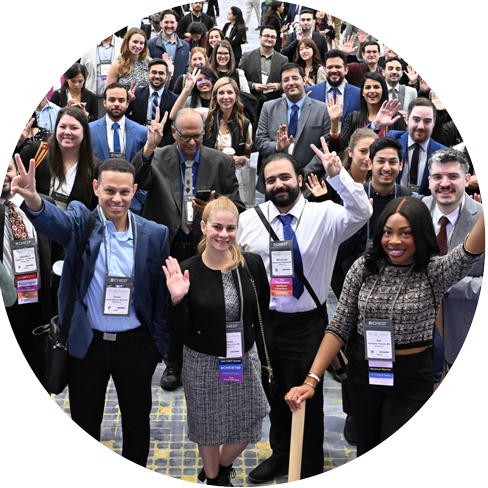
Join Us at CHEST 2026
Connect in person with influential clinicians from around the world—and attend top-tier educational sessions focusing on the most relevant clinical topics. CHEST 2026 will have it all, including optional add-on sessions to customize your learning. Reserve your spot by October 5 to save $100 with advance registration pricing.
