





Being cleared for surgery may sound like a simple yes-or-no determination, but evaluating a patient’s peri-operative risk is anything but binary.
Experts will examine the nuances of peri-operative evaluation from pulmonary, cardiac, and anesthesiology perspectives during the CHEST 2026 session Beyond Cleared for Surgery: Pulmonary, Cardiac, and Anesthesia Approaches to Perioperative Risk at 2:15 pm MST on Wednesday, October 21, in the Phoenix Convention Center, North Building, Room 124A.
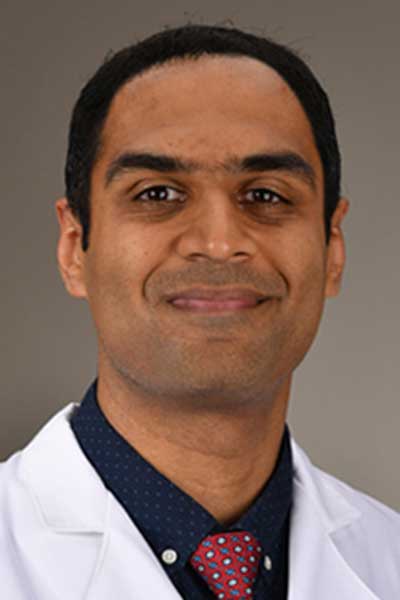
Bilal Zafar, MD, a pulmonary and critical care physician and Assistant Professor at UTHealth Houston, will chair the session and present alongside three other speakers to explore a collaborative approach to assessing and mitigating peri-operative risk.
“We are frequently asked to clear a patient for surgery, but our job really isn’t to give a binary yes-or-no answer,” Dr. Zafar said. “It is to identify the patient’s peri-operative risk, determine which factors are modifiable, optimize those factors when possible, and communicate that risk in a way that helps the patient, surgeon, and anesthesiologist make an informed plan. That’s really the idea behind this session.”
Another important focus of the session will be the appropriate use of diagnostic testing in the preoperative evaluation. Rather than routinely ordering tests simply because a patient is undergoing surgery, testing should be guided by the patient’s clinical presentation and whether the results are likely to meaningfully inform risk assessment or change management.
“More testing does not necessarily mean better risk assessment,” Dr. Zafar said. “Every test should answer a clinical question and ideally provide information that could change what we do. Pulmonary function testing is a good example—a lung function test is not a permission slip for surgery. A normal result does not automatically make surgery safe, and an abnormal result does not necessarily rule surgery out. You have to interpret it in the context of the patient, their symptoms, functional status, underlying disease, and planned procedure.”
The session will begin with a case presentation from Gregory Gaskey, MD, Pulmonary and Critical Care Fellow at UTHealth Houston, followed by three presentations examining peri-operative risk from different specialties. Hyeon-Ju Ali, MD, Assistant Professor in the Department of Cardiology at The University of Texas MD Anderson Cancer Center, will address assessment and optimization for cardiovascular risk; Dr. Zafar will discuss pulmonary risk assessment and optimization; and Shannon Popovich, MD, Professor in the Department of Anesthesiology and Perioperative Medicine at The University of Texas MD Anderson Cancer Center, will speak on anesthetic considerations to reduce peri-operative pulmonary and cardiac risk. The session will end with a Q&A.
Attendees can expect to learn about validated risk-assessment tools and how evidence-based approaches to preoperative evaluation and optimization can help reduce postoperative complications and improve peri-operative planning, Dr. Zafar said.
“Instead of simply labeling a patient as low or high risk, we’re really asking: What is driving this patient’s risk? What can we modify? And how can we work together to make the peri-operative period safer?” he said. “That multidisciplinary approach is what really excites me about this session.”

Call for Topics Is Open
Feeling inspired by all the great sessions you’ve attended? Help shape the curriculum for CHEST 2027, October 24 to 27 in Vancouver, by submitting topic ideas from areas you’re passionate about, topics affecting your practice, or new technologies you’d like to learn more about. The submission deadline is Tuesday, December 1, at 2 pm CT.
