





Successfully navigating complicated cardiovascular challenges in the ICU often depends on recognizing evolving physiology rather than getting attached to a single diagnosis, panelists said during the CHEST 2026 session Complex Cardiovascular Decisions in the ICU on Monday, October 19, in Phoenix.
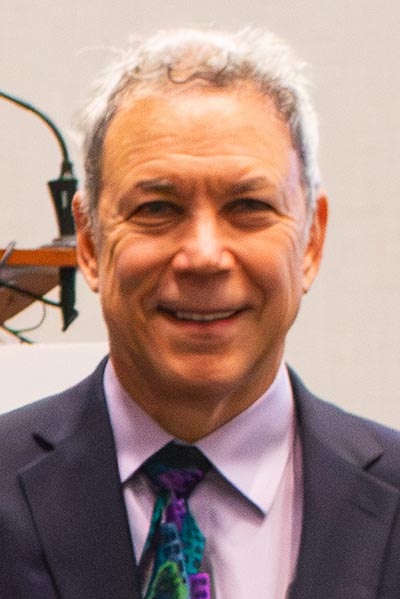
The session, chaired by Steven Hollenberg, MD, FCCP, from the Cardiology and Critical Care Medicine Department at Massachusetts General Hospital, used a postoperative cardiac surgery case to examine a different aspect of cardiovascular critical care.
Christian Provenza, MD, an emergency medicine specialist in Indianapolis, described the case of a 74-year-old man who underwent coronary artery bypass grafting four times and initially appeared to be recovering ideally. The patient was extubated early, was progressing through an enhanced recovery pathway, was meeting therapy milestones, and seemed destined for an uncomplicated discharge.
That trajectory changed on postoperative day 3 when the patient developed fever, cough, worsening renal function, and rising lactate levels. By postoperative day 6, he had become hypotensive and tachycardic, requiring ICU readmission. “We could not anchor on infection as he was getting worse,” said Dr. Provenza, who emphasized a lesson that resonated throughout the room: clinicians need to broaden the differential diagnosis and systematically reassess the patient’s physiology.
Postoperative physiology
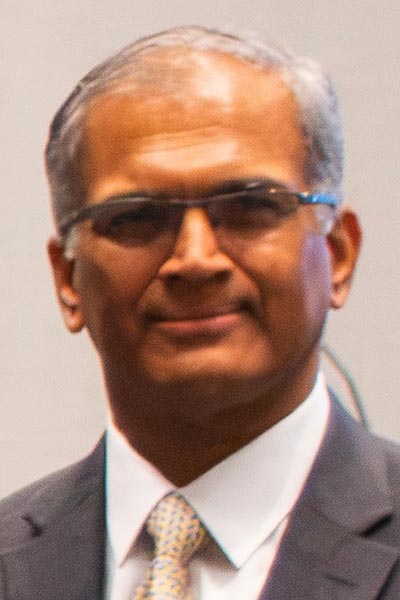
Subbarao Elapavaluru, MD, FCCP, Program Director of the Cardiovascular ICU and Medical Director of the ECMO Program at the University of Texas at Tyler School of Medicine, argued that many conditions commonly labeled as complications are actually expected physiologic consequences of cardiopulmonary bypass and major cardiac surgery.
“I even hate to call them complications because these are not true complications that you think of,” he said. Instead, clinicians are often managing physiologic extensions of what occurred in the operating room. Later, he reminded attendees, “These things have happened because they went on a cardiopulmonary bypass [machine].”
Dr. Elapavaluru reviewed vasoplegia, low cardiac output syndrome, postoperative tamponade, and bleeding management. He stressed the importance of understanding operative details, collaborating closely with surgeons and anesthesiologists, and using focused echocardiography to identify ventricular dysfunction or pericardial collections. His discussion also highlighted the growing role of enhanced recovery after surgery protocols, multimodal analgesia, and early extubation pathways in improving postoperative recovery.
Vasoplegia

Hillary Jordan Ohlsson, MD, Assistant Professor in the Anesthesiology Critical Care Department at Atrium Health Wake Forest Baptist Hospital, focused on postoperative vasoplegia, which she noted affects approximately 20% to 27% of patients after cardiac bypass procedures. She emphasized that the syndrome lacks a universally accepted definition but is generally characterized by hypotension despite adequate cardiac output.
Dr. Ohlsson reviewed risk factors, underlying inflammatory and endothelial mechanisms, and evidence supporting vasopressin, angiotensin II, methylene blue, and hydroxocobalamin as adjunctive treatments in refractory cases. She suggested that more personalized approaches to shock management may eventually allow therapies to be matched more precisely to individual physiologic profiles.
Right ventricular dysfunction
Dr. Hollenberg delivered a review of postoperative right ventricular dysfunction. He described the right ventricle as adaptable and tolerant but cautioned that it remains highly sensitive to increases in afterload. Diagnosis begins with understanding the clinical context, he said. “What happened before this operation? What happened in the OR? What happened after the OR?” he asked.
He highlighted the value of echocardiography, hemodynamic monitoring, and pulmonary artery catheters in complex cases. “Good imaging is harder than you think but also more important.” His management strategy focused on identifying underlying causes, optimizing preload and rhythm, reducing right ventricular afterload, and providing mechanical support when necessary.
Mechanical circulatory support
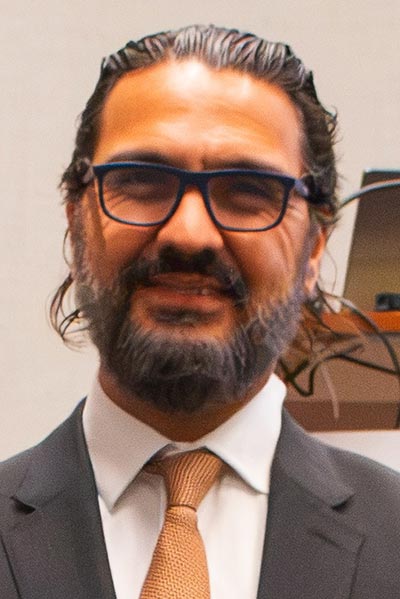
Ismael Salas de Armas, MD, Assistant Professor at McGovern Medical School at The University of Texas Health Science Center at Houston, addressed mechanical circulatory support for postcardiotomy shock and severe low-output states. Throughout his talk, he repeatedly emphasized teamwork. “I’m not saying this to impress you. I’m saying this to impress upon you the importance of the Heart Team approach,” he told attendees while describing UTHealth Houston’s multidisciplinary shock program.
Dr. Salas de Armas argued that anticipation is often more important than rescue. Referring to surgical patients who are at high risk, he stressed, “Failure to plan equals planning to fail.”
The path to diagnosis and treatment
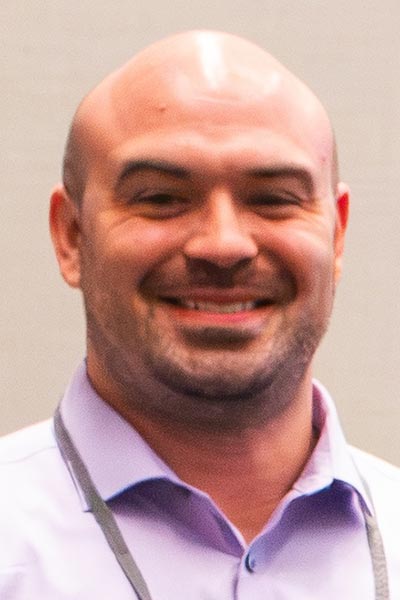
Dr. Provenza concluded the session by returning to the original case. Applying the physiologic principles discussed throughout the afternoon, the group moved beyond infection and focused on a broader differential diagnosis. “The most important priority is getting a bedside transthoracic echocardiogram,” he explained.
That evaluation ultimately revealed the diagnosis: postoperative cardiac tamponade. Dr. Provenza reminded attendees, “Tamponade after cardiac surgery is frequently missed because postoperative collections are often loculated rather than circumferential.”
Presenters highlighted the importance of understanding the physiologic consequences of cardiac surgery and maintaining a broad differential diagnosis when recovery deviates from the expected course. They repeatedly returned to the same principle: following the physiology often provides the clearest path to the correct diagnosis and treatment.

Download the CHEST Events App
Plan your schedule and ensure you don’t miss key CHEST 2026 sessions with the CHEST Events app. The app is your best source of information to ensure that you maximize your experience at the meeting.
