





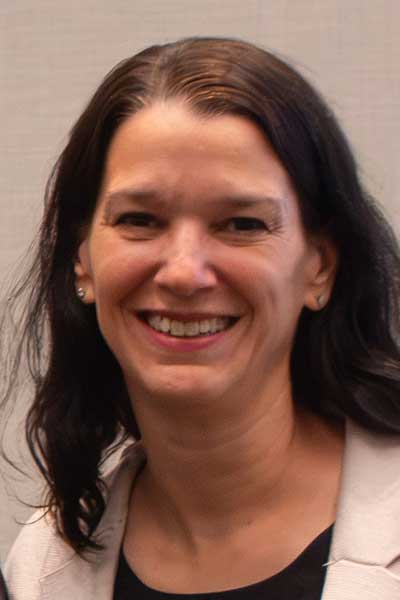
The recent update of the Surviving Sepsis Campaign (SSC): International Guidelines for Management of Sepsis and Septic Shock was less about dramatic paradigm shifts and more about refining systems that support earlier recognition, thoughtful antimicrobial use, and better long-term outcomes, SSC Steering Committee Member Laura Evans, MD, MSc, FCCP, told attendees during CHEST 2026.
“Sepsis is an ongoing story of successful quality improvement,” Dr. Evans said while reviewing key changes during the 2026 Sepsis Guidelines Update session on Wednesday, October 21, in Phoenix.
The March 2026 update contained 129 statements, but, Dr. Evans noted, only 17 were strong recommendations, reflecting the persistent reality that much of sepsis care remains guided by evolving evidence and clinical judgment. She also pointed out the panel’s willingness to acknowledge uncertainty and note when there was insufficient evidence to make recommendations.
Several notable recommendations focus on earlier identification of sepsis, including prehospital screening and, in selected patients with prolonged transport times, prehospital antibiotic administration. Dr. Evans emphasized that these recommendations were intended to push clinicians to ask, “Could this be sepsis?” earlier. That mindset shift may ultimately prove as important as any individual intervention, she said. Antimicrobial stewardship also received greater emphasis in the 2026 update.
Guideline implementation
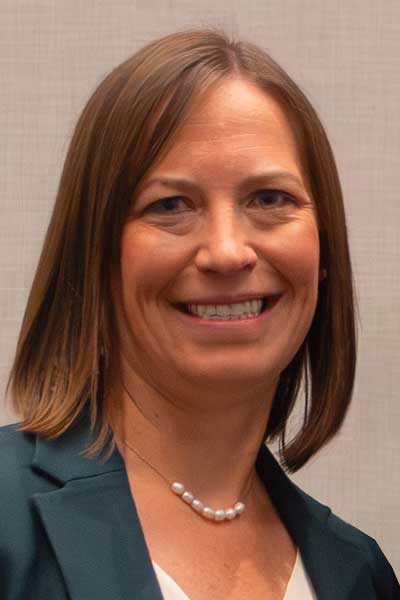
Kathryn Pendleton, MD, FCCP, Associate Professor of Medicine at the University of Minnesota, offered a pragmatic look at one of critical care’s most persistent challenges: translating sepsis guidelines into everyday practice. She argued that, despite more than two decades of guideline development, success depends less on publishing recommendations and more on building systems that reliably deliver care.
She also highlighted a sobering reality. Although compliance with the US Centers for Medicare and Medicaid Services (CMS) Severe Sepsis and Septic Shock Management Bundle (SEP-1) has increased substantially in recent years, national sepsis mortality has remained largely unchanged.
“Sepsis is a heterogeneous syndrome, not a single disease,” she said. “One-size-fits-all bundles are always an oversimplification of a very complex problem.”
Dr. Pendleton organized implementation challenges into three categories: sustaining what already works, de-implementing what doesn’t, and building capacity. She noted that workflow barriers, staffing limitations, and hospital crowding continue to hinder timely sepsis care.
She examined areas where clinicians may need to do less rather than more. Emerging evidence supports avoiding routine arterial line placement in some patients with shock and favoring peripheral vasopressor initiation when appropriate. She noted that these changes challenge a common clinical mindset that “more monitoring, more lines, and more intervention is more data and safer for our patients.”
Dr. Pendleton emphasized the need to build new infrastructure, particularly in prehospital sepsis recognition and public education. She compared building new infrastructure to that of established ST-segment elevation myocardial infarction and stroke systems, while acknowledging the unique challenges of diagnosing sepsis. Her final message focused on leadership and culture change.
“Implementation moves best at the speed of people, not protocols,” she said, urging clinicians to educate colleagues, engage patients and families, and create multidisciplinary programs that bridge emergency medical services, emergency departments, wards, and ICUs.
Future opportunities

Steven Q. Simpson, MD, FCCP, Professor of Medicine at the University of Kansas, explored two interconnected themes in sepsis care: the future of quality measurement and the emergence of precision diagnostics and therapies. These technologies may transform how clinicians identify and treat the syndrome, he said.
Drawing on national Medicare data, Dr. Simpson noted that sepsis remains both a major cause of acute mortality and a significant driver of long-term health decline. “If you get out of the hospital after being treated with sepsis and you are a Medicare patient, you stand a 55% minimum chance of being dead within three years, regardless of what severity of sepsis,” he said, emphasizing the need to focus not only on acute treatment but also on postsepsis recovery and follow-up care.
Dr. Simpson also highlighted the persistent burden of severe disease, noting, “Across America, 40% of people who get septic shock are going to die in the hospital or in inpatient hospice very quickly.” He said that these outcomes remain unacceptable and underscore the importance of structured sepsis quality programs and ongoing performance measurement.
Defending CMS SEP-1, Dr. Simpson addressed criticisms surrounding compliance efforts. While national adherence rates have improved, he challenged attendees to consider whether current performance would be acceptable in other areas of medicine. “You would not pass your ABIM boards with 64% of correct answers,” he said, referencing the American Board of Internal Medicine certification to illustrate the substantial opportunity that remains for improving sepsis care delivery. He noted that future CMS quality programs may include additional outcomes-based measures.
Advances such as host-response diagnostics, tissue-oxygenation monitoring, endotoxin-removal therapies, and precision immunomodulatory treatments reflect a broader shift toward individualized sepsis care, Dr. Simpson said.
“We are approaching precision treatments for sepsis,” he said. “Don’t change the channel, because this is getting pretty exciting.”

Call for Topics Is Open
Feeling inspired by all the great sessions you’ve attended? Help shape the curriculum for CHEST 2027, October 24 to 27 in Vancouver, by submitting topic ideas from areas you’re passionate about, topics affecting your practice, or new technologies you’d like to learn more about. The submission deadline is Tuesday, December 1, at 2 pm CT.
