





Acquired tracheoesophageal fistulas (TEFs) in adults are uncommon but clinically significant conditions that can arise from both benign and malignant causes. Treatment decisions and the timing and feasibility of definitive intervention, which requires multidisciplinary coordination, can be complicated by delayed diagnosis, malnutrition, infection, airway compromise, and underlying cancer.
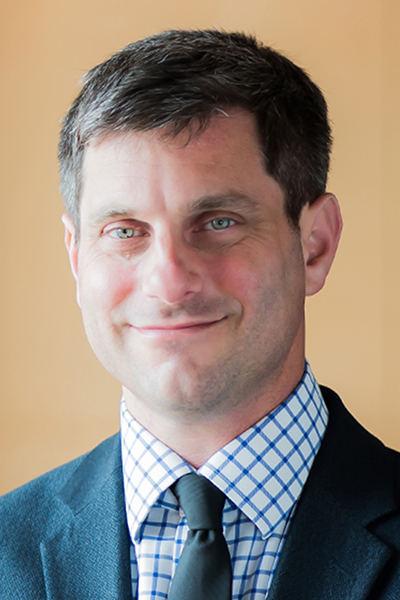
“There is little known about TEFs,” said Yaron B. Gesthalter, MD, Associate Professor of Medicine and an interventional pulmonologist at the University of California, San Francisco, School of Medicine. “We don’t really know how often they develop and what the best treatment approaches are. A big misconception is that TEFs are easy to manage and are all alike when, in fact, there is no ‘one size fits all.’”
Dr. Gesthalter will chair the CHEST 2026 session Management of Acquired Tracheoesophageal Fistulas in the Adult Population at 2:15 pm MST on Wednesday, October 21, in the Phoenix Convention Center, North Building, Room 126B. Presenters will provide an overview of the diagnostic and therapeutic considerations that inform contemporary TEF care, with a focus on practical approaches across a continuum of management that includes interventional pulmonologists, thoracic surgeons, gastroenterologists, and oncology specialists.
To open the program, Dr. Gesthalter will share a clinical framework for understanding acquired TEFs, reviewing the range of underlying etiologies, and discussing how factors such as fistula location, disease severity, and patient comorbidities influence management strategies.
The session will then turn to minimally invasive treatment options. Pravachan Hegde, MD, will review the endoscopic techniques currently available for TEF management. The discussion will compare the roles of various bronchoscopic and esophageal interventions, including situations in which endoscopic therapies may provide palliation, stabilization, or an alternative to surgery. Dr. Hedge is Director of the Interventional Pulmonology/Advanced Interventional Thoracic Endoscopy/Lung Nodule Program at Community Health System.
Sebron Harrison, MD, Associate Professor of Clinical Cardiothoracic Surgery at Weill Cornell Medicine, will examine the surgical management of TEFs, including patient selection, operative planning, technical considerations, and factors that influence outcomes following repair.
Finally, An T. Ho, MD, interventional pulmonologist at Banner MD Anderson Cancer Center, will focus on the diagnostic evaluation of patients with tracheoesophageal cancers and related fistulas. Her presentation will address the symptoms and findings that should raise suspicion for TEF, as well as the imaging and procedural tools used to establish the diagnosis and guide treatment planning.
One of the major challenges for patients with TEF is navigating the complexity of their medical care, Dr. Gesthalter said.
“Patients with malignant TEF often require coordination among multiple oncology specialties, while those with benign TEF may be managed primarily by their primary care physicians,” he said. “Pulmonologists are particularly well-positioned to help coordinate and integrate care given the broad range of respiratory and other symptoms associated with TEF.
“Effective communication and a shared understanding among all members of the care team are essential, as timely recognition and intervention can be critical to minimizing the morbidity and adverse consequences of TEF.”
Call for Topics Is Open
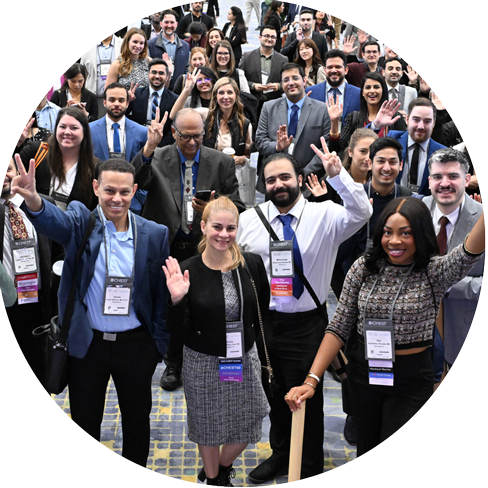
Feeling inspired by all the great sessions you’ve attended? Help shape the curriculum for CHEST 2027, October 24 to 27 in Vancouver, by submitting topic ideas from areas you’re passionate about, topics affecting your practice, or new technologies you’d like to learn more about. The submission deadline is Tuesday, December 1, at 2 pm CT.
