





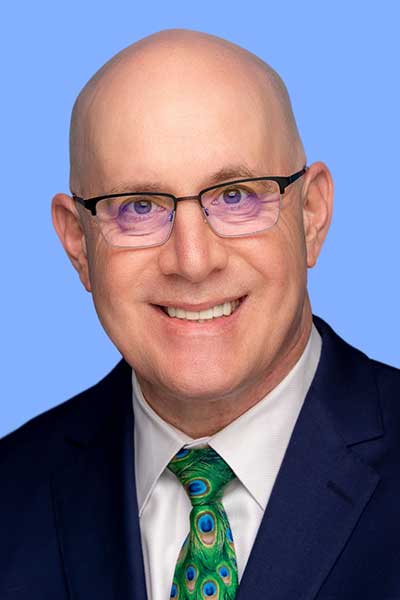
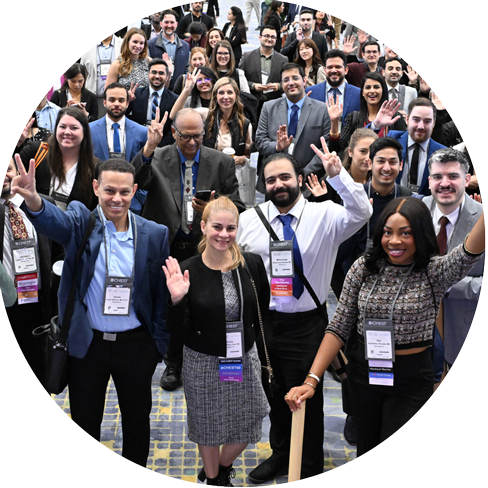
When CHEST President Neil Freedman, MD, FCCP, walks the bustling hallways of a CHEST Annual Meeting, he can’t help but think of the organization’s tremendous influence on pulmonary, critical care, and sleep medicine. He’s also reminded of his personal journey within the chest medicine field.
He sees the familiar faces from his more than two decades of clinical and health administration work, which began when he answered a “help wanted” ad in the journal CHEST®. He embraces his mentors, who encouraged him to join CHEST, and greets his mentees, who inspire him to bolster the organization for the future. He may even stop to chat with a colleague about one of his many stints on CHEST committees. But his favorite interactions revolve around the enduring impact of CHEST’s educational initiatives, like a 2011 Sleep Medicine Board Review course that drew more than 900 attendees.
“I get the greatest joy when I walk down the halls of a meeting and people will stop me and be like, ‘Hey, thank you so much for putting on that course. I really learned a lot. It helped me pass the boards, and it’s helping me in my practice,’” Dr. Freedman said.
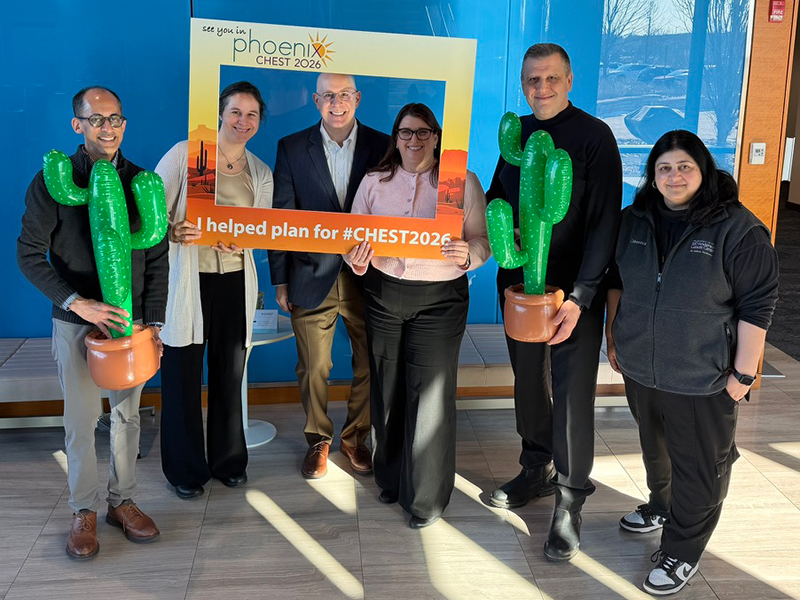
“From an organizational standpoint, when you think about our mission and our values, they’re really focused on how we can make care better for patients by supporting our frontline clinicians and giving them the education and resources that they need,” he added.
Dr. Freedman first became involved with CHEST and its mission through one of these educational events. In the late ’90s, shortly after he left an academic position near his home in the New Jersey/Pennsylvania area to enter private practice in Chicago, Nancy Collop, MD, Master FCCP, emailed him out of the blue to gauge his interest in presenting at a CHEST sleep medicine course.
“I don’t know that it was serendipity, but the timing was right. As luck would have it, one of the faculty for Dr. Collop’s course pulled out at the last minute,” Dr. Freedman recalled. “When I came to private practice, I happened to give my CV to a local [durable medical equipment] provider who was working part-time at CHEST. It got into the right hands, the opportunity came, and people liked what I was able to do.”
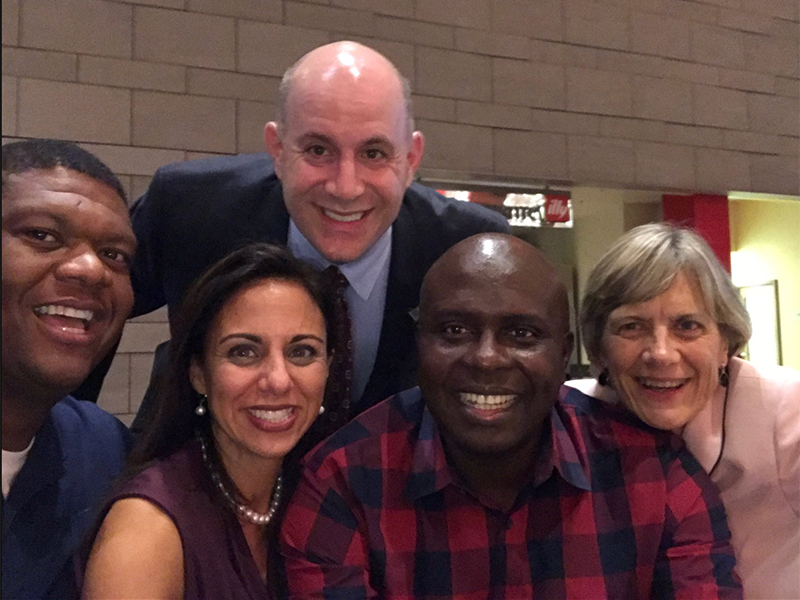
Dr. Freedman attended his first CHEST Annual Meeting in the early 2000s, joined CHEST Networks shortly afterward, and steadily took on leadership roles throughout the organization. Since 2006, he has served as Chair of the Sleep Medicine Network, CHEST Sleep Medicine Board Review course, CHEST Annual Meeting 2016, Health Policy and Advocacy Committee, Oxygen Access and Education Work Group, and Finance Committee; Deputy Editor of CHEST SEEK® Sleep Medicine; and Regent-at-Large on the CHEST Board of Regents. He has also served on the Education Committee, the CHEST Foundation Board of Trustees, and the Joint Finance Oversight Committee. He has been honored with the Distinguished CHEST Educator designation every year since 2017.
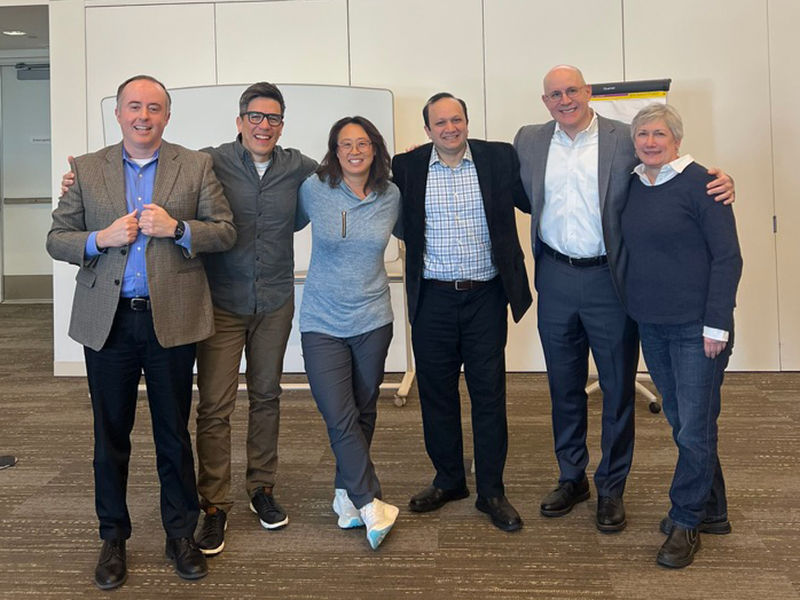
“I’ve gotten more from CHEST personally and professionally than I’ve been able to give back, even though I’ve done a lot,” Dr. Freedman said. “I’ve gone from being a private practice clinician to now—and I didn’t have any plans to do this—I lead a medical group of 2,400 physicians and 700 APPs. And a lot of the things that I’ve learned with CHEST over time have helped make me a better leader.”
The same principles—teamwork and trust—that have guided his leadership strategy within a large health care system have informed his time on the CHEST Board of Regents and his tenure as CHEST President. His philosophy is captured in a handwritten note on his wall: “Surround yourself with great people, train them well, provide them with resources, and get out of their way.”
“Whether it’s delivering lectures for the meeting, volunteering to be moderators for various sessions, reviewing all of the things that need to go into a board review course or SEEK or the different products that we have—everything that we do and every success that we have is because we have a great team,” Dr. Freedman said. “And we’re continuing to get better over time.”
Call for Topics Is Open
Feeling inspired by all the great sessions you’ve attended? Help shape the curriculum for CHEST 2027, October 24 to 27 in Vancouver, by submitting topic ideas from areas you’re passionate about, topics affecting your practice, or new technologies you’d like to learn more about. The submission deadline is Tuesday, December 1, at 2 pm CT.
