

Interstitial lung diseases (ILDs) comprise more than 100 unique pulmonary disorders that care teams must be prepared to identify and treat accordingly. In addition to the breadth of ILDs, providers must also be aware of the potential heterogeneous causes of the same disease across patients.
Familial, or inherited, ILDs result from genetic mutations transmitted by a parent or ancestor; whereas sporadic ILDs can be traced to a host of potential factors, such as environmental and occupational exposures or autoimmune diseases. Differentiating familial from sporadic ILDs at diagnosis is crucial for care teams to provide an accurate prognosis, identify risk factors, and determine the optimal therapeutic regimen.
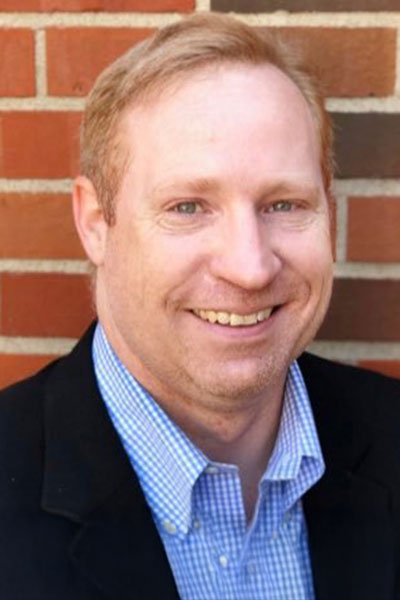
“Over the last several years, it has become apparent that patients who have a short telomere syndrome tend to have a worse prognosis,” said Mark Hamblin, MD, Associate Professor and Director of the ILD and Rare Lung Disease Program at the University of Kansas. “These patients represent a different subset of patients, and their management needs to be considered different from the average patient with IPF [idiopathic pulmonary fibrosis] on several levels.”
Experts will delve into current practices on conducting telomere measurements and genetic testing for patients with familial and sporadic ILDs during the CHEST 2025 panel discussion Telomeres and Genetics in ILD: The Long and Short of It at 4 pm CT on Sunday, October 19, in McCormick Place, Lakeside Center, Room 353B. Dr. Hamblin and Mary Beth Scholand, MD, FCCP, will serve as co-chairs of the session.
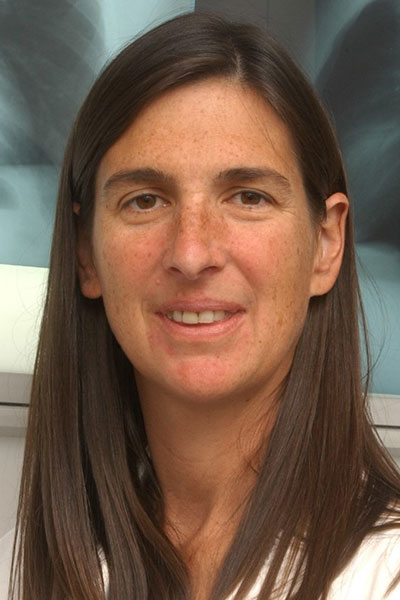
“This is a rapidly developing field with a lot of investigations and new information emerging, so it’s important for attendees to be up to date on this so they understand the genetics and telomere biology related to pulmonary fibrosis and other ILDs,” said Dr. Scholand, Associate Professor in Pulmonary Medicine at the University of Utah.
John McDyer, MD, Professor of Medicine at the University of Pittsburgh and Scientific Director at the Pitt Lung Transplant Research Center, will share illuminating insights into the implications of telomere length in lung transplantation. Andrew Courtwright, MD, PhD, MA, Associate Professor of Clinical Medicine at the University of Pennsylvania’s Perelman School of Medicine, will provide an overview of the genetics of ILDs. Drs. McDyer and Courtwright were both project leads for the International Society for Heart and Lung Transplantation (ISHLT) Consensus Statement on Short Telomere Syndrome and Lung Transplantation. The document, expected to be finalized this fall, was curated by 16 international experts in adult and pediatric ILD and lung transplantation and will represent the official guidelines from ISHLT on the topic.
Jennie Vagher, CGC, a genetic counselor at the Huntsman Cancer Institute, will inform attendees on the critical role genetic counselors can play when delivering the diagnosis of an inherited disorder to patients. Dr. Scholand said she was looking forward to audience members having the opportunity to learn more about the work of these rare but highly important specialists.
“We are really excited to have a genetic counselor on our session panel to educate the audience on the advantages and potential pitfalls of genetic testing,” Dr. Scholand said. “Genetic counselors have very interesting training to claim their title. It requires a deep understanding of genetics, in addition to the knowledge and skills of counselors or therapists. When you diagnose a genetic disorder, you’re not just treating a patient, you’re also treating a family.”
Finally, Dr. Hamblin will explore future applications of knowledge related to genetics and telomeres in ILDs, particularly their implications for clinical trials and personalized medicine. Dr. Hamblin said that patients with short telomere syndrome present providers with multiple unique considerations.
“As a community, we can encourage patients to sign up for some of the genetic substudies that are typically part of these trials, where they might start investigating whether certain drugs will be effective for patients within a particular genetic subset or potentially harmful to another,” he said. “With these insights, we can hopefully direct patients to therapies that might be a little bit safer and less high risk.”
Call for Topics Is Open
Feeling inspired by all the great sessions in Chicago? Help shape the curriculum for CHEST 2026, October 18 to 21 in Phoenix, by submitting topic ideas from areas you’re passionate about, topics affecting your practice, or new technologies you’d like to learn more about. The submission deadline is Tuesday, December 2, at 2 pm CT.