
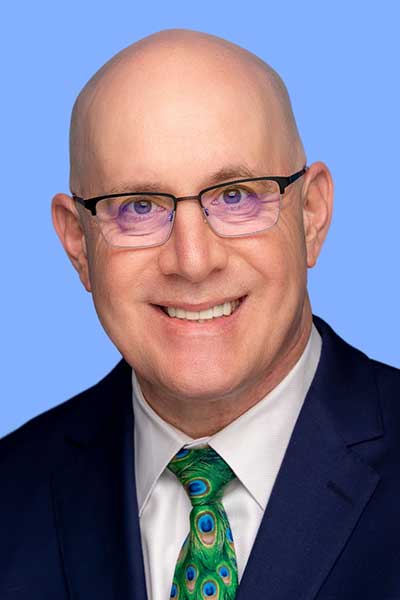
The CHEST Annual Meeting is quickly approaching, and I am looking forward to seeing everyone in Phoenix (October 18 to 21). Every year, the meeting reminds me that some of our greatest opportunities for growth happen outside our own institutions. We come together to learn, exchange ideas, and develop as clinicians and as leaders.
I’ve been asked before how I became involved in leadership and my answer is always the same: There was no plan. I knew I wanted to take great care of patients and, along the way, opportunities arose.
If I have been successful in leadership, it is because I have been surrounded by really great people who have supported me and provided coaching and mentorship, while also providing honest, constructive feedback.
A consistent obstacle I see is that most clinicians are never formally taught how to lead. It’s often assumed that if someone is an excellent clinician, they will naturally become an excellent leader, but those are different skill sets.
A title in and of itself does not make you a good leader. Leadership is a competency that develops over time and can be practiced anywhere, whether you are serving on a committee, mentoring a trainee, leading a multidisciplinary team, or volunteering in your community.
To me, the foundation of leadership is inspiring people to do great things, and, in doing so, building future leaders, supporting your colleagues, and helping others succeed.
Strong leadership also depends on creating environments where people feel safe to contribute and different perspectives are welcomed. Diversity of thought makes us stronger. Bringing together clinicians with different specialties, backgrounds, experiences, and viewpoints leads to better solutions for our patients and our profession.
As a leader, I want to hear what I don’t know, but that mindset requires being humble, understanding that you have blind spots, and fostering a psychologically safe environment. People should feel comfortable sharing ideas, asking questions, and respectfully disagreeing. As I remind the groups I lead, everyone is encouraged to speak their mind, but that does not mean that you get your way. The goal is better decisions, not unanimous agreement.
What I’ve always loved about CHEST is that it is an organization that focuses on welcoming this diversity of thought. Our leaders—from the Board of Regents to the Networks to committees, task forces, and work groups—have a wide range of backgrounds, credentials, and specialties, and we are better for it.
The organization is also uniquely positioned to help interested members develop into strong leaders. Beyond top-tier clinical education, we offer opportunities to build connections through mentorship, Network and Interest Group involvement, and more.
This year’s annual meeting is brimming with opportunities, including the Leadership Development Course and, new in 2026, the Women’s Half-Day Career Development Course by the Women in Chest Medicine Interest Group. Taking place on the Saturday before the meeting formally begins, both courses are free to attend but require advance registration. In addition, there’s a strong slate of educational sessions dedicated to developing leadership skills, including presentations specific to fellows in the Trainee Lounge.
While in Phoenix, I encourage you to make the most of your time. Beyond attending the educational sessions, introduce yourself to someone new every day. Sign up for a simulation course. Attend a networking event. Seek out a mentor or become one.
Leadership does not begin with a title. It begins with curiosity, humility, and a willingness to learn from those around you. I hope you make the most of every opportunity that the CHEST Annual Meeting offers and leave Phoenix with not only new clinical knowledge but also new relationships and new leadership skills that will benefit your patients, your colleagues, and our profession.
This article was originally published in the Fall 2026 issue of CHEST Physician.
