

Climate change threatens patients’ lung health. Many clinicians would like resources to help improve their communities, but federal policy and action can seem far removed from daily work. When experts Anthony Gerber, MD, PhD; Sharmilee Nyenhuis, MD; Erika Mosesón, MD, MA, FCCP; Stephanie Lovinsky-Desir, MD, MS, presented at last year’s CHEST Annual Meeting in Chicago, they discussed how climate and clean air policies can be enacted at the local level and shared some simple steps clinicians can take to lend their voices to these efforts.
Dr. Gerber provided an overview of the central role of state-based commissions and boards in promulgating regulations that improve air quality. Under the Clean Air Act, standards for air quality are set at the federal level, but implementation is achieved at the state level, typically through governor-appointed boards/commissions enacting regulations or rules. In addition, although federal law can preempt and limit state-based regulations, states nevertheless can pass laws that improve air quality; and the implementation of such laws is also frequently enabled by state commissions.

Accordingly, Dr. Gerber highlighted that work by advocates at the state level can have an enormous effect on air quality. Opportunities include directly working with state legislators to provide a health-based perspective on the impact of potential measures to improve air quality.
Another important role can be direct involvement with state commissions, either through providing public comment or by directly serving on state or local commissions/boards statutorily tasked with making rules to achieve federal, state, or local standards. The impact of such efforts is exemplified by Colorado, where rules achieved by the Colorado Air Quality Control Commission have resulted in significant reductions in greenhouse gas emissions and also led to dramatic reductions in the emission of pollutants associated with fracking, among other significant state-based clean air achievements.
Dr. Nyenhuis highlighted the leadership role that clinicians can have in addressing climate and health, with an emphasis on patient counseling, air quality monitoring, and education around exposure mitigation strategies. Practical clinical actions include advising patients toavoid peak pollution periods, monitor the air quality, wear protective masks during poor air quality events, and leverage community resiliency resources.

Beyond the clinical setting, she emphasized the importance of multisector partnerships involving communities, clinicians, and policymakers. Community-driven initiatives in Chicago illustrate how grassroots advocacy, equitable urban planning, and policy interventions—such as cleaner energy, emissions limits, and climate-resilient infrastructure—can improve air quality and respiratory health. Ultimately, empowering patients, engaging communities, and advocating for systemic change are presented as essential strategies to reduce morbidity, mortality, and health inequities related to climate-driven air pollution.
Dr. Mosesón highlighted the important role that counties have to improve both indoor and outdoor air pollution and ensure climate resiliency. Starting indoors, she focused on home energy and home cooking. Many patients burn fuels indoors to avoid costly heat and energy bills, but this also generates harmful pollution. Counties and utilities can offer help with home upgrades such as cleaner woodstoves, heat pumps, home solar, battery storage systems, and more that can both lower heating and cooling bills and improve both indoor air quality and grid resiliency.
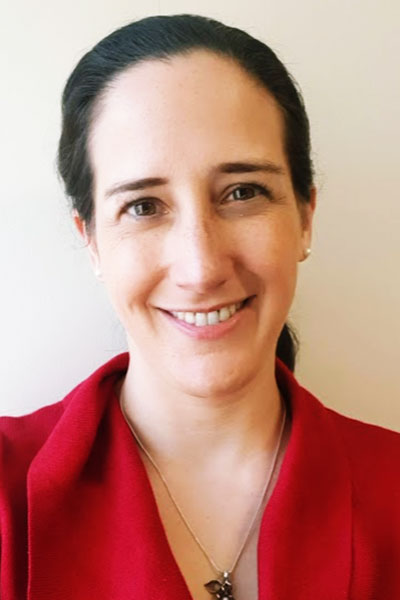
In terms of cooking, gas stoves produce harmful nitrogen dioxide, which can worsen asthma and COPD control for patients. Counties can tackle this with stove replacement programs and incentives. Financing these improvements can come via a variety of creative means, including grants, low-interest loans, or even home liens where counties are repaid when the home or building is sold, resulting in minimal upfront cost.
Dr. Mosesón also highlighted the immense pollution created by gas-powered lawn equipment; one backpack leaf blower with a two-stroke engine operating for 30 minutes generates as much pollution as driving a Ford F150 Raptor driving from Texas to Alaska. Many counties are transitioning away from gas-powered lawn equipment in favor of electric or mechanical options. She also shared resources from her Air Health Our Health podcast, which offers a variety of deep dives on these topics for those interested in working on this in their own communities. (Read more about Dr. Mosesón’s work in climate health in CHEST Advocates.)
Finally, Dr. Lovinsky-Desir discussed the importance of addressing air quality where children spend most of their wakeful hours: in and around schools. She highlighted examples of federal and state laws that replace high-emission buses with cleaner alternatives, provide ventilation upgrades in school buildings, reduce vehicle idling near schools, and prohibit construction of new schools near major highways. She discussed opportunities for clinicians to partner with school administrators and parent organizations to implement clean air strategies at the local school and district levels using resources like the US Environmental Protection Agency’s Indoor Air Quality Tools for Schools.
Dr. Lovinsky-Desir also echoed the recommendation that clinicians should partner with community organizations to understand how local policies influence community members. She cited as an example a community organization in New York City that has partnered with academicians to deploy a network of air quality monitors throughout the Bronx to measure the impact of the city’s congestion pricing policy. Another example is a project where high school students collect their own personal air pollution exposure data and use that data to support local advocacy for pedestrianizing streets near their schools to reduce pollution exposure. Engaging students and their guardians in advocacy around climate and clean air initiatives is an important strategy for maintaining sustainability at the local level and empowering the next generation of advocates.
Climate change and air pollution are not distant policy issues—they are urgent, local determinants of lung health that demand clinician engagement. By lending their trusted voices in the clinic, the community, and the policy arena, health care professionals can help drive practical, equitable clean air solutions that protect patients today and for generations to come.