
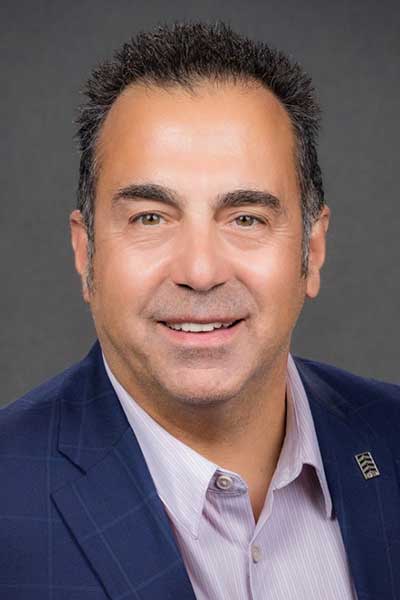
At CHEST 2025 last year in Chicago, the Disaster Response and Global Health Section hosted a presentation to a packed audience highlighting the physiology of drowning. The panelists, who were nationally recognized intensivists, integrated their critical care expertise with their first responder backgrounds as ocean lifeguards, undersea medical officers, and US Navy rescue divers.
Drowning is an underrecognized global health care burden across the world. There are more than 236,000 deaths that are reported globally each year; that’s more than 40 drowning deaths every hour! In the United States alone, there were more than 4,000 deaths reported in 2023. But drowning deaths are often underreported; and for every drowning death, there are at least 10 victims who do survive. Those who do survive usually suffer neurocognitive sequelae that requires ongoing health care.
The CHEST 2025 session accentuated drowning as an inequity in health care, since there is a socioeconomic disparity among drowning victims. Epidemiological data reported by James Geiling, MD, MPH, FCCP, revealed that there are three times more drowning victims from low- or middle-income families than from higher-income families. More than 50% of these deaths are male, under the age of 25, and usually involve either alcohol or history of seizure disorder.
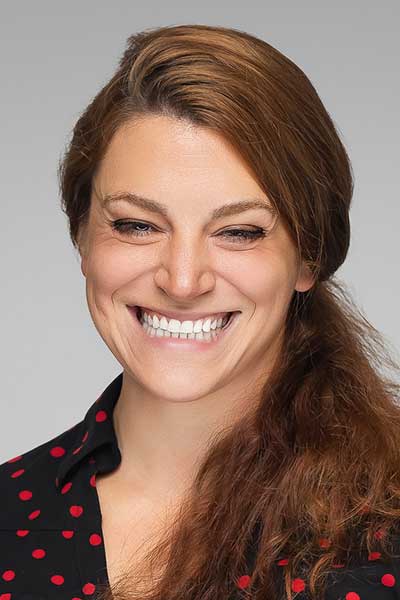
The session also emendated antiquated vernacular related to drowning. In particular, the term “near drowning” is now described as “fatal drowning” or “nonfatal drowning,” either with or without comorbidities. Also, any purported differences between “fresh water” drowning vs “salt water” drowning was debunked. And finally, the concept of “wet drowning” vs “dry drowning” was also put to rest.
During the session, John V. Agapian, MD, FCCP, proposed an innovative perspective to our contemporary understanding that affects drowning physiology. He suggested that the laryngospasm reflex that commonly occurs when liquid contacts the airway contributes to a cascade that triggers significant negative pressure pulmonary edema and concomitant hypoxia secondary to that. This is supported by postmortem data showing water in the lungs (historically described as wet drowning) in 80% of drowning deaths.
In contrast, in cases where there is pre-drowning suppression of the respiratory drive (ie, intoxication, seizure, stroke, massive myocardial infarction, etc), then the negative pressure pulmonary edema cascade would not be expected to occur; this would explain why 20% of those who have succumbed to death by drowning do not have water in their lungs (dry drowning).
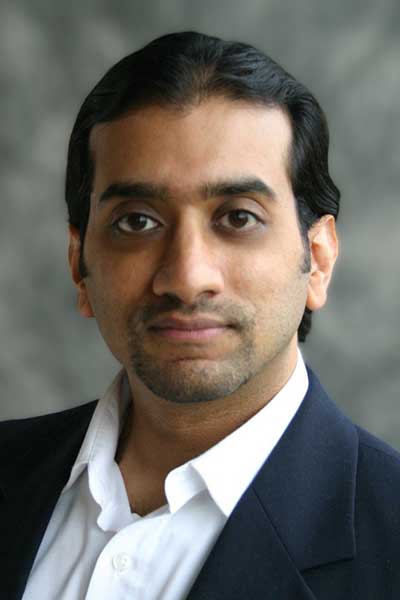
The work of David Szpilman, MD, a Brazilian physician and former lifeguard who pioneered early research on drowning, was extensively referenced by all three session speakers. Amelia Goodfellow, MD, discussed the underlying physiology responsible for shallow water blackouts and reviewed our current understanding of swimming-induced pulmonary edema as well as arterial gas embolism.
Members of the audience, ranging from all around the world and as far away as Australia, were invited to ask questions and share their experiences before the session ended. Panelists and attendees reviewed and discussed bystander protocols for drowning rescue in addition to detailed medical management strategies for drowning victims.
In closing, anyone can drown—from the most highly trained to the most inexperienced—but nobody should!
