





Although biologics offer clinicians a “magic bullet” to target specific inflammatory pathways, they come with strings attached when treating patients with severe asthma.
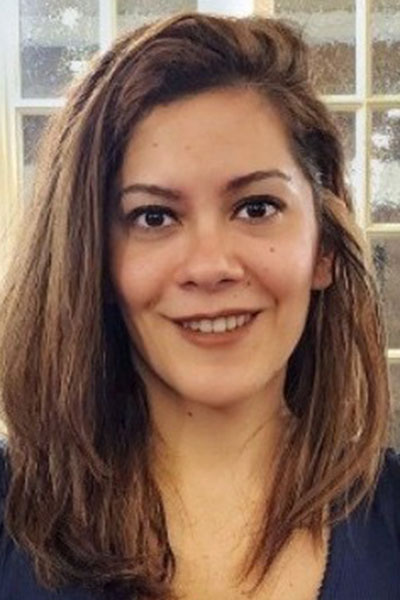
Selecting the right biologic for these patients can be challenging owing to variability in a patient’s response to treatment, as well as limited high-level evidence and head-to-head trials between the existing six biologics currently approved by the US Food and Drug Administration. Clinicians must also navigate eligibility criteria, cost and access issues, and other considerations, said Sara Assaf, MD, Assistant Professor of Pulmonary and Critical Care at the University of New Mexico.
Dr. Assaf will chair the CHEST 2025 session Selecting the Right Biologic in Asthma Management on Sunday, October 19, at 11 am CT in McCormick Place, Lakeside Center, Room 353B.
“I think the session might help provide a practical framework for clinicians, especially when they’re dealing with severe asthma and biologic therapies,” Dr. Assaf said.
The session will feature four presentations by a panel of experts. Dr. Assaf will begin by emphasizing the importance of phenotyping and endotyping in treatment algorithms and real-world decisions to match the right biologic with the right patient.
Beyond the initial selection of a biologic, there is no clear consensus on an optimal approach or timing for switching between biologics—no standardized protocols, real-world algorithms, or head-to-head comparisons. Furthermore, there is limited data on post-switch outcomes and overlap in targeted pathways. To address this, the session will discuss biomarkers and predictors of response that may be used to guide these decisions.
Complicating this further, not all patients respond equally to or benefit from biologics. Daniel Howell, MD, MSc, MBBS, will discuss how to improve precision medicine matching by distinguishing among responders, super responders, and nonresponders to biologic treatments.
Nicola Hanania, MD, MS, FCCP, will then highlight how traditional end points in asthma treatment are evolving and shifting toward the novel concept of clinical remission, particularly for targeted therapies.
Finally, despite current treatments, there are still patients who do not respond well and pathways that are not targeted. Diego Maselli, MD, FCCP, will highlight emerging biologics that may help these patients to address this unmet need.
Join Us at CHEST 2026
Connect in person with influential clinicians from around the world—and attend top-tier educational sessions focusing on the most relevant clinical topics. CHEST 2026 will have it all, including optional add-on sessions to customize your learning. Reserve your spot by October 5 to save $100 with advance registration pricing.
