
Asthma
-

Biologic treatment expansion leads to population-level reductions in asthma exacerbations
Findings show that beginning in 2015, annual exacerbation events decreased by 474.1 events per 1,000 patients per year and have continued to decline by 206.5 events per 1,000 patients per year.
-

Study shows association between higher vitamin A levels and better lung function
The results linked higher vitamin A levels with better lung function in children and adults with asthma, while vitamin D showed a similar association primarily in adults.
-

FDA warning on montelukast linked to prescription decline for asthma
Sami Hossri, MD, FCCP, said that while data show the warning prompted an immediate and sharp drop in new prescriptions, the shift in overall use was more modest.
-
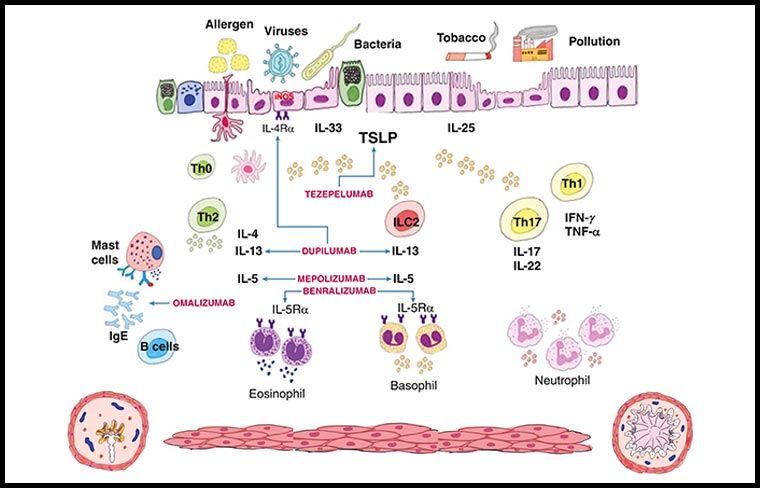
Biologic therapy for severe asthma: Time for precision, access, and accountability
Choosing the appropriate initial biologic and having the ability to implement timely changes in therapy, if needed, lead to improved patient-centered outcomes in severe asthma.
-

Triple therapy shows meaningful benefits in uncontrolled asthma
Alberto Papi, MD, FCCP, said recent data from the KALOS and LOGOS trials suggest triple therapy may address airflow limitation and exacerbation risk in a single inhaler.
-

Biologic therapies in asthma: From foundation to the future
Biologic therapies are changing severe asthma management, shifting the goal from control to remission. Diego J. Maselli, MD, FCCP; Dharani Narendra, MD, FCCP; and Megan Conroy, MD, MAEd, FCCP, explore their impact in this installment of Clinical Outlook in Pulmonology.
-

GLP-1RAs may reduce risk of asthma exacerbations for adolescents with obesity
Pulmonologist Farrukh Abbas, MD, said this observational study generates a hypothesis about the anti-inflammatory benefits of GLP1-RA medications in patients with asthma and obesity that needs to be confirmed in trials.
-

The climate cost of inhalers: What prescribers should know
Experts said clinicians must ensure patients have the therapies they need at affordable prices that, ideally, impose minimal amounts of environmental harm.
-

Panelists address local approaches for clean air and climate action
Stephanie Lovinsky-Desir, MD, MS, presented on the health effects and mitigation of pollutant exposures at or near schools.
-

Clinicians share advice for working with vulnerable patient populations
Laura J. Spece, MD, MSc, spoke about specific respiratory health concerns for US military veterans during a session that also focused on optimizing care for patients who are transgender, patients shifting from pediatric to adult care, and patients with limited language proficiency.
