

Climate change is already boosting patient visits to hospitals around the world. And the impact is just beginning: The World Health Organization predicts 250,000 extra deaths annually by the 2030s from extreme heat, natural disasters, and shifting patterns of vector-borne and infectious diseases attributable to climate change.
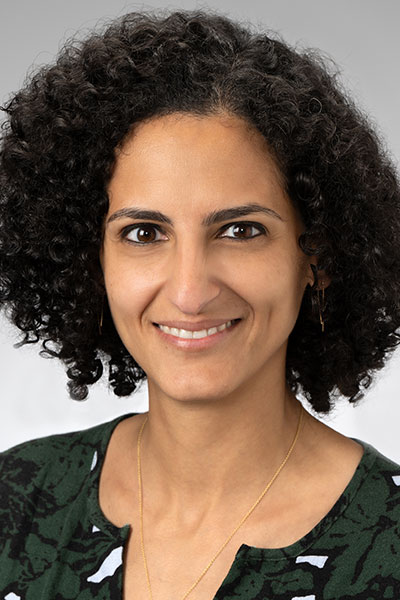
“I was in the ICU a couple of weeks ago and we had a patient transferred in from an outlying facility with a lot of lab abnormalities and encephalopathy,” said Stephanie Maximous, MD, MS. “He was diagnosed with babesiosis, and the clinicians who had sent him said, ‘It doesn’t happen up here.’ The reality is, it does, because ticks are no longer confined to the Northeast. We’re seeing more and more climate change-related diseases.”
Dr. Maximous, Assistant Professor of Pulmonary, Allergy, and Critical Care Medicine at the University of Pittsburgh, will chair the CHEST 2025 panel discussion Intensivist Response to Climate Change-Induced Natural Disasters at 11 am CT on Sunday, October 19, in McCormick Place, Lakeside Center, Room 351.
Recent climate change effects are widespread—from previously unknown tick-borne diseases in northern Pennsylvania and local malaria transmission in New Jersey to devastating flooding in North Carolina and Texas. Destructive wildfires tore through Los Angeles and heavily populated parts of the eastern US have seen increasingly poor air quality from wildfire smoke, which was unheard of previously, Dr. Maximous said.
“What we’re seeing across the country and across the world is that the effects of climate change are becoming more evident,” she said. “It is important to think about how we are going to counter this, as well as prepare ourselves as clinicians to see this coming more frequently into our clinical environment.”
The session will help busy clinicians keep up with climate change’s growing encroachments in critical illness and acute conditions such as heart attacks, strokes, and asthma exacerbations. Panelists will also address environmental justice and health equity considerations.
“It doesn’t matter who you are, how much money you have, the color of your skin, where you live… climate change is coming for us,” Dr. Maximous said. “We have to take active steps toward thinking about how to manage it now. We have to start thinking now about how to lessen the negative consequences moving forward.”
An increasing number of health systems and hospitals have disaster planning protocols and processes on paper, she said, but much of that planning has yet to trickle down to the frontline providers who are already encountering patients affected by climate change-related disasters.
“We don’t want these things to happen; yet, invariably, in our lifetimes, they will, and they will happen without warning,” Dr. Maximous said. “That’s what makes it a disaster. It is important to recognize that, as intensivists, we are going to get the sickest of the sick patients coming in. If there are barriers like inconsistent electricity, inconsistent or contaminated water, if we don’t have clean air coming through the HVAC, what is our plan going to be?”

Call for Topics Is Open
Feeling inspired by all the great sessions in Chicago? Help shape the curriculum for CHEST 2026, October 18 to 21 in Phoenix, by submitting topic ideas from areas you’re passionate about, topics affecting your practice, or new technologies you’d like to learn more about. The submission deadline is Tuesday, December 2, at 2 pm CT.