
Diffuse Lung Disease
-

GOLDen handcuffs: Beyond spirometry in COPD
When it comes to diagnosing COPD, clinicians must look beyond spirometry and physiology to see a patient fully.
-

Newest Bridging Specialties program focuses on team-based care in PH-ILD
The Bridging Specialties®: Timely Diagnosis for PH-ILD program encourages collaboration across disciplines and provides assets designed for practical use.
-

Top-line results from FIBRONEER-ILD point to possible third agent for interstitial lung disease
If the data prove accurate, Barry Shea, MD, said nerandomilast could become the first new treatment for lung fibrosis in more than a decade.
-

Delving deeper into the molecular genetics of idiopathic pulmonary fibrosis
William Whalen II, MD, MS, reflects on his experience as a recipient of the 2023 CHEST Research Grant in Pulmonary Fibrosis and how it has affected his professional trajectory.
-

TETON trials could herald multimodal approach to IPF
Steven Nathan, MD, said the addition of inhaled treprostinil would offer a novel approach that would allow clinicians to target the disease on two fronts.
-

Incorporating climate-related events into clinical practice
Review six steps a pulmonary clinician can take prior to a climate-related event to prepare for a potential disaster scenario and mitigate patient risk.
-
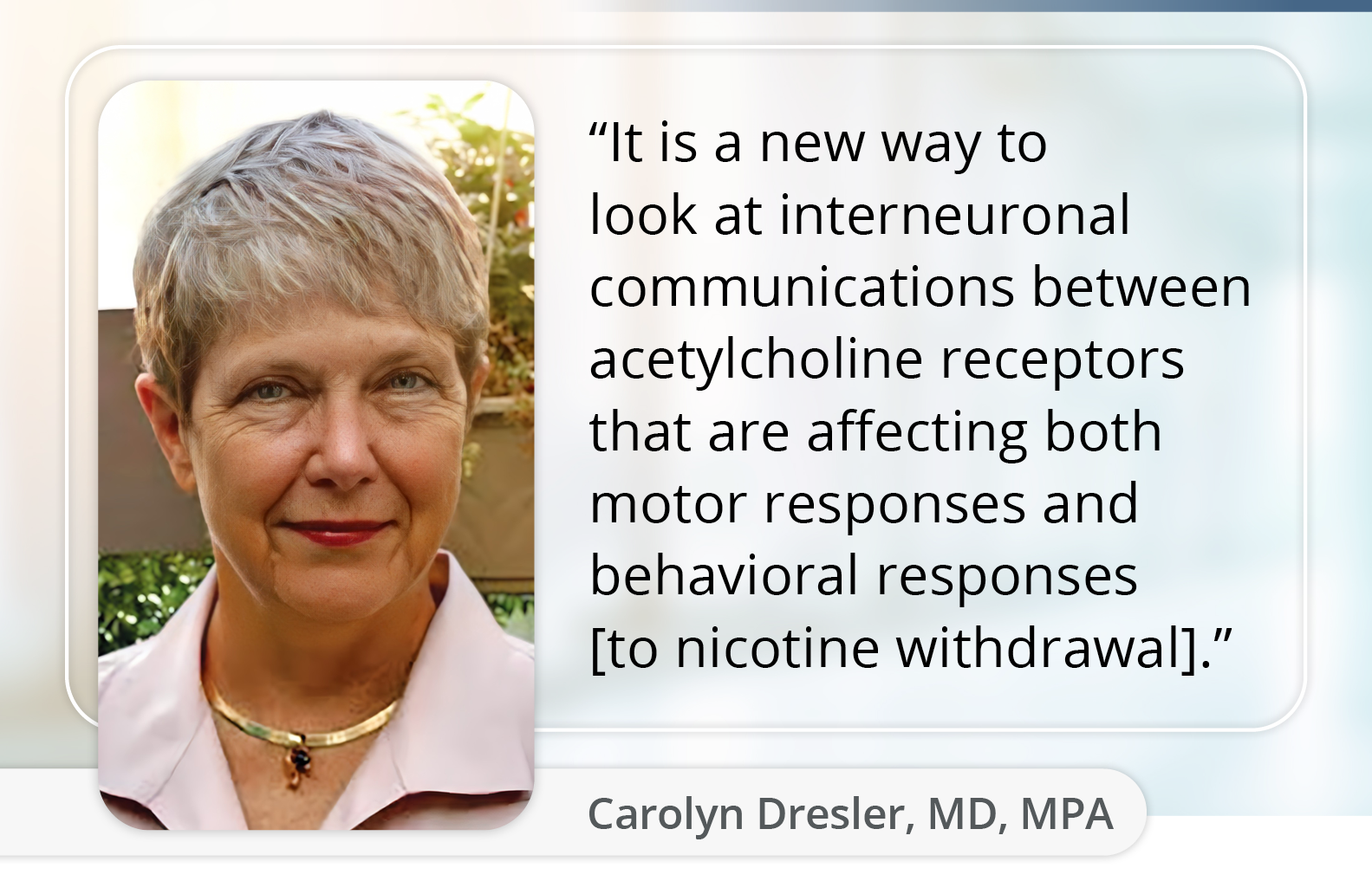
Parkinson’s drug shows promise as treatment for nicotine addiction in mouse model
Tobacco cessation expert, Carolyn Dresler, MD, MPA, said new evidence of cross talk between different types of acetylcholinergic receptors could be an important step for future research to determine if, and at what doses, these results could be replicated in humans.
-

Corticosteroid benefits unclear for acute ILD exacerbations
Erin Meier, MD, and Rachana Krishna, MBBS, MSCR, discuss the clinical implications of a recent meta-analysis, which suggests steroids may not help all patients with interstitial lung disease (ILD) who experience a flare.
-

The impact of short telomere syndrome on lung transplantation
Short telomere syndrome can increase post-lung transplant complications, necessitating tailored pretransplant and posttransplant assessments and multidisciplinary care.
-

Older patients have improved five-year survival for bilateral vs single lung transplant
Investigator, Haytham Elgharably, MD, discusses the practical implications of his recent research on bilateral lung transplant.
-

COVID-19 immune patterns offer hope for future IPF treatment
Jose D. Herazo-Maya, MD, and colleagues are investigating a mechanism of T-cell suppression that may contribute to the development of a treatment for pulmonary fibrosis.
-

Understanding high-risk factors like PM2.5 in lung cancer
Renelle Myers, MD, FRCPC, discusses factors beyond tobacco use that clinicians should consider when screening for lung cancer, such as pollution exposure.
