

A randomized clinical trial found that autonomous oxygen titration substantively increased time spent in normoxemia and decreased time spent in hypoxemia compared with usual care in adults hospitalized with acute illness or injury.1
The study, published in JAMA Internal Medicine, evaluated whether autonomous oxygen titration with the O2matic PRO100 device improves time within a desired oxygen target compared with usual care manual oxygen titration by clinicians. The study included 300 adults who were acutely ill and receiving supplemental oxygen at four tertiary care hospitals in the United States between May 2024 and November 2025. The primary outcome was the proportion of time spent within the targeted normoxemia range, defined as peripheral oxygen saturation of 90% to 96%. The key secondary outcome was the proportion of time spent in hypoxemia, defined as peripheral oxygen saturation below 88%.1

“Autonomous oxygen titration with the O2matic PRO100 device was remarkably effective in increasing time spent in normoxemia and decreasing time spent in potentially harmful hypoxemia or hyperoxemia ranges,” said senior author Adit Ginde, MD, MPH, Professor of Emergency Medicine and Senior Associate Dean for Clinical Research at the University of Colorado Anschutz School of Medicine, Aurora.
The study showed that the mean proportion of time spent in normoxemia was 85% in the autonomous oxygen group vs 63% in the usual care group, reflecting an adjusted risk difference of 21 percentage points. The mean proportion of time spent in hypoxemia was lower in the autonomous oxygen group vs the usual care group (2.0% vs 3.6%, respectively).
“Autonomous oxygen titration not only hits a desired oxygen target much more consistently than manual titration by a human can but also reduces time spent in hypoxemia, which can be dangerous to patients,” said first author David J. Douin, MD, MSc, Associate Professor, Department of Anesthesiology, at the University of Colorado Anschutz School of Medicine. “By cognitively offloading physicians, nurses, and respiratory therapists from titrating supplemental oxygen, autonomous titration can free clinicians to perform other important patient-care tasks. Basically, they have one less thing to worry about while treating a sick patient.”
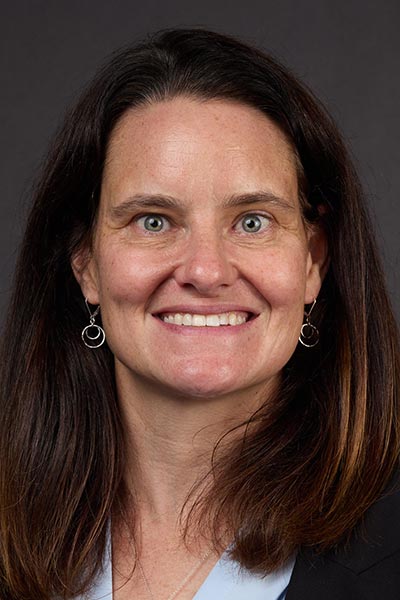
Meghan Ramsey, MD, Clinical Associate Professor, Division of Pulmonary, Allergy, and Critical Care Medicine, Stanford University School of Medicine, and Pranjal Gupta, MD, Clinical Assistant Professor, Emergency Medicine, also at Stanford, described several potential clinical implications of this research.
“Autonomous titration reduced time in hypoxemia—from 3.6% to 2.0% of monitored time— which may mitigate downstream harms such as neurologic injury, renal injury, and cardiovascular collapse,” Dr. Ramsey said. “It also substantially reduced time in hyperoxemia—from roughly 29% to 9% of monitored time—potentially limiting oxidative injury from excess reactive oxygen species.”
Additionally, total oxygen use trended lower, she said, which could translate into general cost savings and particular benefits in low-resource or austere settings where oxygen supply is limited. There may also be provider-specific benefits, such as reduced clinician workload from manual titration and documentation. Finally, using autonomous titration could lead to earlier weaning from oxygen and potentially shorter hospital stays.
Dr. Gupta noted several trial limitations.

“The most obvious limitation is that the patient-centered outcomes were exploratory and inconclusive,” Dr. Gupta said. “In this relatively low-acuity population, it is unclear whether maintaining normoxemia produces meaningful clinical benefit. Furthermore, the study excluded patients with the most potential to benefit, such as those with more severe respiratory failure. The study also did not define individualized oxygen targets for specific populations, such as those at risk for hypercapnia who may need lower target saturations. Finally, bias may have been introduced in this unblinded trial, although, as the authors note, enhanced usual care likely biased results toward the null.”
Future trials should build on early work in patients receiving higher levels of support, including high-flow nasal cannula, noninvasive positive pressure ventilation, or invasive mechanical ventilation, Dr. Gupta said, and should be designed around patient-centered outcomes. Furthermore, cost savings and resource use analyses, particularly in lower-resourced settings, may be additional areas of exploration.
References
1. Douin DJ, Rice JD, Xiao M, et al. Autonomous oxygen titration for maintaining normoxemia in acutely ill adults: the SAVE-O2 AI randomized clinical trial. JAMA Intern Med. 2026;186(10):1224-1233. doi:10.1001/jamainternmed.2026.4023
