
Sleep apnea-specific hypoxic burden (SASHB) may be a better predictor of peri-operative outcomes following major noncardiothoracic surgery than the more familiar apnea-hypopnea index (AHI). According to recent research, high SASHB was associated with increased risk of 30-day postoperative mortality and cardiovascular complications among patients with OSA following major noncardiothoracic surgery.1
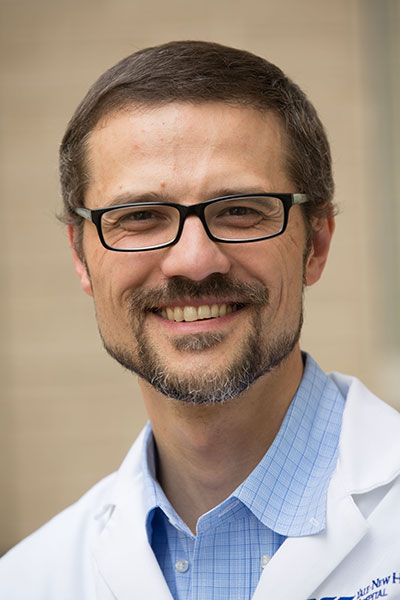
“This is a well-designed multicenter cohort study that asks a timely and important question: Can we do better than the AHI when stratifying postoperative cardiovascular risk in patients with OSA?” said Andrey Zinchuk, MD, MHS, Associate Professor of Pulmonary, Critical Care, and Sleep Medicine and Director of Advanced Apnea Management and Upper Airway Neurostimulation Programs at Yale School of Medicine.
“The short answer from this paper is yes. And the metric that performs best is the SASHB. This new metric looks at each and every oxygen desaturation that occurs with breathing abnormalities to give you a fingerprint of the impact of sleep apnea events on oxygenation. This sleep apnea hypoxic burden is more strongly associated with adverse outcomes than AHI, which is consistent with what the literature is telling us in nonperioperative populations.”
The study tracked 2,286 patients with OSA (64.4% male) with a median age of 58 who underwent elective or emergency major noncardiothoracic surgery a median of four and a half years following OSA diagnosis.
SASHB was derived from polysomnography or home sleep apnea testing data at the time of OSA diagnosis and did not assess SASHB or AHI before surgery. Participants with moderate or severe sleep apnea (AHI 15-30 or ≥30/hour) were prescribed PAP therapy for use during sleep. Individuals who were using PAP at least four hours per night were assigned to the PAP-adherent group. Those who had stopped using PAP or used it less than four hours per night were assigned to the PAP-nonadherent group.
The primary outcome was a composite of stroke, atrial fibrillation, heart failure, myocardial infarction, venous thromboembolism, and all-cause mortality within 30 days of surgery.
Compared with patients with SASHB <32% min/h, patients with an SASHB of 32% to <80% min/h had an OR of 1.76 (95% CI, 0.86-3.59); and the ones with an SASHB ≥80% min/h had an adjusted OR of 2.79 (95% CI, 1.42-5.49) for the primary outcome. The absolute event rate increased from 1.6% in the low-SASHB (<32% min/h) population to 5.8% in the ones with high SASHB (≥80% min/h).
Outcome numbers were small at just 80 events. Authors also created a risk score for the 30-day postoperative complications, including age, emergency admission before surgery, and SASHB. The positive predictive value was low, ranging from 4% to 20%, as would be expected with low event rates. The negative predictive value was ≥96%.
Dr. Zinchuk said that using patient-specific physiologic measures of OSA severity rather than International Classification of Diseases codes adds an important real-world element and strength to the analysis. While two-thirds of the cohort had moderate to severe OSA by AHI, the median SASHB was about 50% min/h. Broader literature has identified increased cardiovascular risk with a hypoxic burden starting at 70% to 90% min/h. Being able to identify increased risk in a population with relatively moderate burden reinforces the inadequacy of traditional metrics such as time spent below 90% oxygen saturation and AHI used for risk classification, he said.
SASHB was associated with adverse events in individuals with OSA who were not adherent to prescribed CPAP use but not in those who were adherent to CPAP use. The finding is exploratory and may reflect the healthy user effect seen in individuals who adhere to CPAP therapy.
Dr. Zinchuk said the postoperative complication prediction score “is a rule-out tool, not a risk identifier.”
In this model, he said, the SASHB’s clinical utility is in reassuring clinicians that a patient with a low score can safely receive standard postoperative monitoring, not in confidently identifying who will have a complication. “For that,” he said, “studies designed to integrate SASHB with established risk-scoring tools are needed.”
References
1. Bailly S, Sabil A, Blanchard M, et al. Sleep apnea-specific hypoxic burden and postoperative outcomes of major noncardiothoracic surgery. JAMA Netw Open. 2026;9(2):e260006. doi:10.1001/jamanetworkopen.2026.0006
