


A recent retrospective analysis published in JAMA Open showed up to a 23-fold increase in risk of COPD exacerbation with the first week following hospitalization for respiratory syncytial virus (RSV). The data showed that cardiorespiratory event risks following RSV-related hospitalization declined over time; however, elevated risk persisted up to 180 days for some events.1
“Increased cardiovascular event risk following respiratory viral infection has been well established for influenza and COVID,” said lead author Caihua Liang, MD, PhD, Senior Director of Vaccines Real World Epidemiology for Pfizer. “However, we were surprised to find that this association is very strong for RSV, especially within the first two weeks following hospitalization. RSV is not just a respiratory disease; it also poses a significant risk for cardiac events among older adults.”
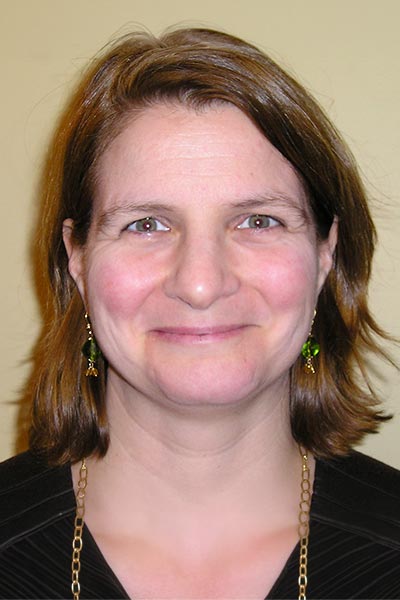
Current recommendations from the American College of Cardiology and the Global Initiative for Chronic Obstructive Lung Disease include RSV vaccination for eligible adults. But RSV is of particular interest because it has a limited array of approved treatment for adults in the United States, said fellow researcher Elizabeth Begier, MD, Senior Director, Global Medical Strategy for Adult RSV at Pfizer. Supportive care has long been the standard of care.
“One of the challenges in this study, and generally for RSV in adults, is that it is very rarely tested for,” Dr. Begier said. “In the absence of any treatment [for adults], people don’t necessarily see the need for testing. Now that we have a vaccine, adults and clinicians who treat adults need to be aware that RSV is an important cause of cardiorespiratory morbidity and mortality. With no antiviral for RSV, the one thing clinicians can do is to promote prevention through RSV vaccination.”
In an observational, retrospective, self-controlled case series, the researchers queried the Optum Market Clarity Dataset for January 2017 through March 2024 for adults with an RSV-related hospitalization and at least one cardiorespiratory event of interest. Events of interest included myocardial infarction (MI), stroke, congestive heart failure (CHF) exacerbation, COPD exacerbation, and arrhythmia. Nearly 12,000 patients with an RSV-related hospitalization were identified for a self-controlled case series study.
Patients were older, with a mean age of 69 years, and 61% were female. The study compared the incidence of cardiorespiratory events 180 days following an RSV-associated hospitalization with the incidence in the same patients before and after RSV exposure, serving as control periods. Low RSV testing rates may have excluded some individuals with RSV who later developed cardiorespiratory events of interest. The researchers said low RSV testing rates also may have reduced the statistical power of the analysis, but that did not alter their conclusions.
The greatest increase in relative risk (as measured by the incidence rate ratio [IRR]) for events of interest was observed during the first seven days following RSV-associated hospitalization.
The relative risk for MI was 8.7 during the first week, declining to 5.2 on days 8 through 14 and to 2.6 on days 15 through 21. For stroke, the respective IRRs were 7.4, 5.9, and 3.7 for these time periods. A similar pattern was observed for CHF exacerbation (IRRs: 12.5, 4.1, and 2.4, respectively). For COPD exacerbation and arrhythmia, IRRs decreased during the first three weeks, from 23.1 to 1.3 and from 16.5 to 1.6, respectively. Event risk remained elevated for up to 63 days for MI and stroke (IRR 1.8) and up to 84 days for CHF exacerbations (IRR 1.5).
Drs. Liang and Begier said their results add to the body of evidence from other recent trials, which have shown significant reductions in RSV-related and all-cause cardiorespiratory hospitalizations following RSV vaccination, as well as numerical reductions in morbidity.2–3
References
1. Liang C, Judy J, Aliabadi N, et al. Risk of cardiorespiratory events following respiratory syncytial virus-related hospitalization. JAMA Netw Open. 2026;9(2):e2556767. doi:10.1001/jamanetworkopen.2025.56767
2. Surie D, Self WH, Yuengling KA, et al. RSV vaccine effectiveness against hospitalization among us adults aged 60 years or older during 2 seasons. JAMA. 2025;334(16):1442-1451. doi:10.1001/jama.2025.15896
3. Lassen MCH, Johansen ND, Christensen SH, et al. Bivalent RSV prefusion F protein-based vaccine for preventing cardiovascular hospitalizations in older adults: a prespecified analysis of the DAN-RSV trial. JAMA. 2025;334(16):1431-1441. doi:10.1001/jama.2025.15405