
A single-center randomized controlled trial of sivelestat for ARDS prophylaxis following cardiothoracic surgery showed a significant reduction in the risk of ARDS compared with placebo.1 The study, recently published in JAMA, showed a 46% relative risk reduction, or a 55% lower odds of ARDS, for an absolute reduction of 14.4%.
Sivelestat also showed significantly lower 90-day mortality, reintubation rates, need for noninvasive ventilation, incidences of pneumonia, and need for inflammatory biomarkers vs placebo. Study authors concluded that sivelestat may be an effective preventive strategy for postoperative ARDS in high-risk populations.
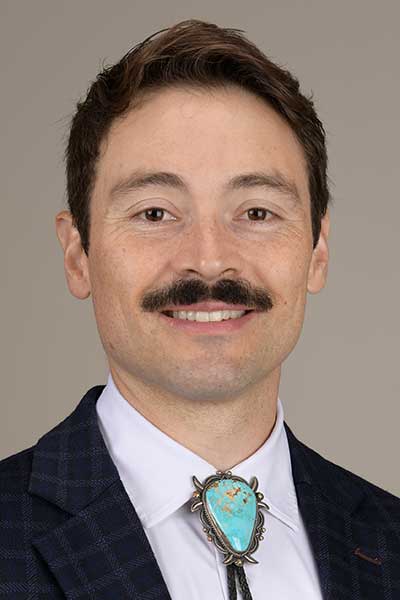
Nicholas Villalobos, MD, Assistant Professor of Medicine at the University of Texas McGovern Medical School and Co-Director of Cardiac Intensive Care at Memorial Hermann Hospital, said that after decades of study, this research may have identified a patient population that benefits from sivelestat.
The trial compared continuous postoperative infusion of sivelestat with placebo for up to seven days following surgery requiring cardiopulmonary bypass (CPB). Sivelestat is a small-molecule drug that selectively inhibits neutrophil elastase (NE), a protease released by activated neutrophils as part of the inflammatory response. Surgery can trigger an inflammatory cascade. CPB can also trigger significant inflammation as blood moves through the circuit and during and after reperfusion.
ARDS is a recognized complication of surgery involving cardiopulmonary bypass, with an incidence as low as 2% in large, undifferentiated cohorts and of 30% or higher in high-risk cohorts. Mortality rates range from 40% to 80%.
This appears to be the first randomized controlled trial of sivelestat administered within the first few hours following CPB intended to reduce the risk of ARDS. A 2004 trial, STRIVE, which evaluated sivelestat as a therapeutic agent in established ARDS, was halted due to increased mortality.2
In this latest trial, researchers in the United States and China enrolled 190 patients admitted to the Cardiovascular Medical Center of Nanjing Drum Tower Hospital in Nanjing, China, for elective cardiopulmonary surgery with CPB to sivelestat and 192 patients to placebo. The hospital is a tertiary referral center drawing on a population of more than 150 million in the Jiangsu and Anhui provinces of Eastern China.
Treatment was initiated within six hours of admission to the cardiac ICU following surgery and continued for seven days or until release from the ICU, if earlier. The authors noted that although neutrophil priming begins during CPB, the clinical manifestation of ARDS typically occurs in the first few postoperative hours after the peak of neutrophil-mediated pulmonary sequestration and endothelial injury.
The primary outcome was the postoperative incidence of ARDS, defined according to the Berlin Definition, which excludes hydrostatic pulmonary edema as the primary cause of respiratory failure. Secondary outcomes included all-cause mortality, 180-day mortality, inflammatory markers (WBC count, neutrophil count, IL-6, IL-8, TNF, CRP, PCT, systemic immune-inflammation index, and NE), and markers of myocardial injury.
The mean age of patients was 62.9 years, and 55% were male. The most common surgeries were valve replacement or repair (27.8%), coronary artery bypass grafting (CABG) plus valve replacement or repair (24.4%), CABG (17%), and atrial septal defect or ventricular septal defect repair (11.3%). The mean CPB time was 159.8 minutes, and the mean total operative time was 180.0 minutes.
Patients in the sivelestat group had a lower incidence of ARDS (16.8% vs 31.2% in the placebo group), with an odds ratio of 0.45 (95% CI 0.27-0.73; P < .001). Patients in the sivelestat group also had lower 90-day mortality (1.1% vs 5.2% [P = .02]), fewer intubations (6.3% vs 13.0% [P = .03]), and less noninvasive ventilation (4.7% vs 10.4% [P = .04]). The sivelestat group also showed significantly lower levels of inflammatory biomarkers. There were no deaths in either group after day 90 and no difference in adverse events between the two groups.
“I don’t know that there will ever be a silver bullet against ARDS, but this drug can temper the inflammatory cascade, which is great,” Dr. Villalobos said. “It won’t be the be-all, end-all for treating ARDS, but there is definitely an effect. Whether it has a clinical impact on mortality in the long run remains to be seen. There is a lot of work left to do, starting with larger, multicenter trials.”
References
1. Pan T, Xu C, Wang YP, et al. Sivelestat and incidence of acute respiratory distress syndrome after cardiovascular surgery: a randomized clinical trial. JAMA Netw Open. 2026;9(3):e260390. doi:10.1001/jamanetworkopen.2026.0390
2. Zeiher BG, Artigas A, Vincent JL, et al. Neutrophil elastase inhibition in acute lung injury: results of the STRIVE study. Crit Care Med. 2004;32(8):1695-1702. doi:10.1097/01.ccm.0000133332.48386.85
