

Thoracic Oncology
-

In our navigational bronchoscopy ERA
The VERITAS trial is a turning point for interventional pulmonology, ushering in an era of high-quality comparative effectiveness trials poised to transform our approach to technology evaluation, implementation, and, ultimately, patient care.
-

Opening the flood gates: Pleural complications of immune checkpoint inhibitors
The pulmonary and medical oncology community must start to consider pleural complications as a potential risk of immune checkpoint inhibitor therapy.
-
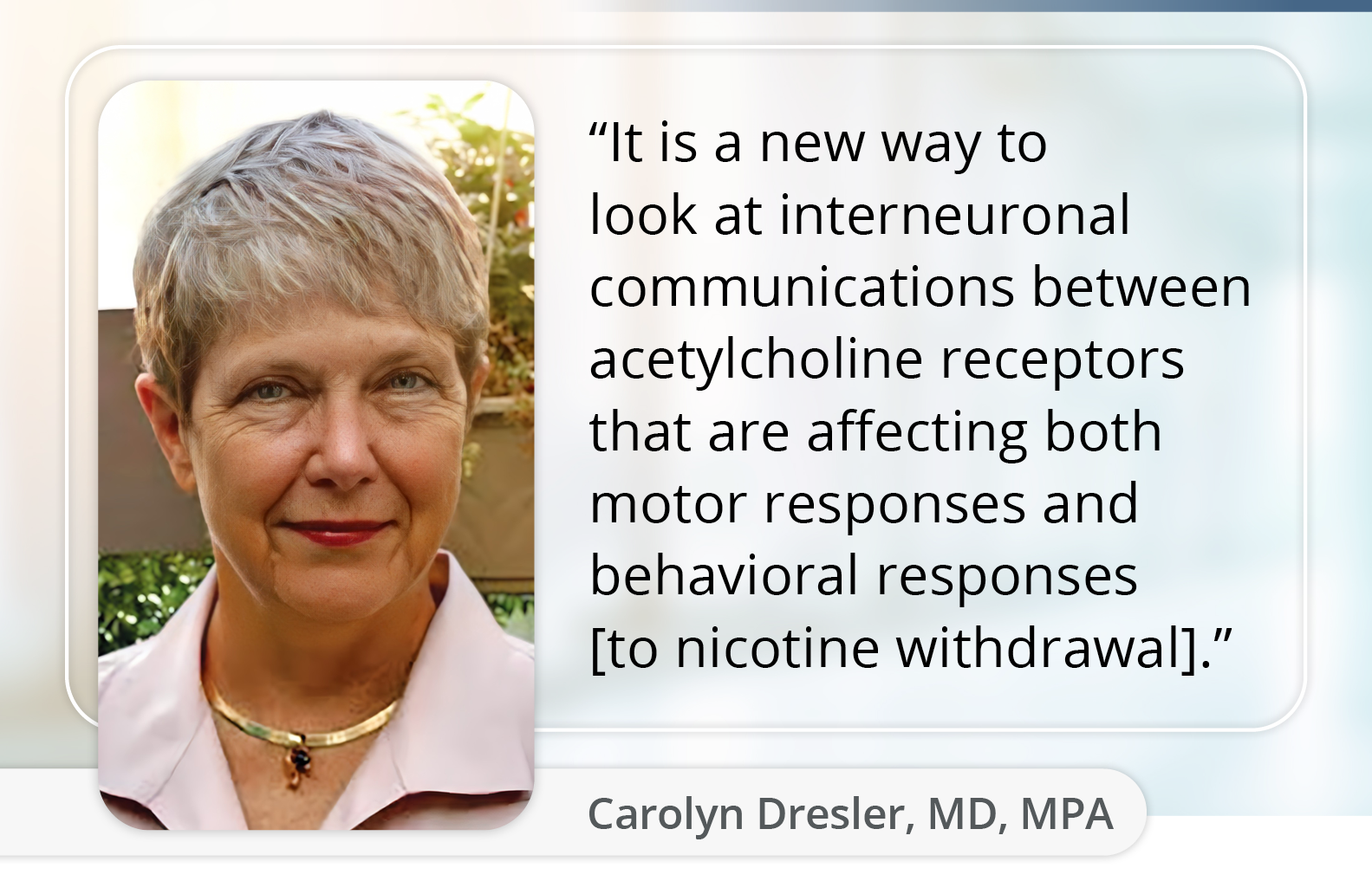
Parkinson’s drug shows promise as treatment for nicotine addiction in mouse model
Tobacco cessation expert, Carolyn Dresler, MD, MPA, said new evidence of cross talk between different types of acetylcholinergic receptors could be an important step for future research to determine if, and at what doses, these results could be replicated in humans.
-

POCUS for temporary intracorporeal and extracorporeal mechanical circulatory support
POCUS use refines diagnostic accuracy, enhances procedural safety, and optimizes outcomes for patients requiring advanced circulatory support.
-

Understanding high-risk factors like PM2.5 in lung cancer
Renelle Myers, MD, FRCPC, discusses factors beyond tobacco use that clinicians should consider when screening for lung cancer, such as pollution exposure.
-

Updates in ninth edition of TNM classification criteria allow for more precise lung cancer staging
Hisao Asamura, MD, said the changes are critical to clinical decision-making in the evolving thoracic oncology treatment landscape.
-

Artificial intelligence in lung cancer management
As artificial intelligence continues to integrate into clinical practice, the future of lung cancer management is shifting toward precision-driven, data-informed strategies and risk prediction models.
-

Exploring the evolving landscape in combination therapies for EGFR-mutated advanced NSCLC
Susan Scott, MD, discussed the findings from the MARIPOSA and FLAURA2 trials and the next steps to identify who may benefit from which regimen.
-

FDA proposal would eliminate addicting power of cigarettes, other combustible tobacco products
While the rule could reduce smoking rates, Sven-Eric Jordt, PhD, said clinicians must remember that low-nicotine cigarettes still expose those who smoke to carcinogens.
-

Managing central airway obstruction
New guidelines on central airway obstruction standardize diagnosis and management recommendations, emphasizing therapeutic bronchoscopy, rigid bronchoscopy, and multidisciplinary care.
-

Rethinking tobacco use to include all forms of nicotine delivery
Frank Leone, MD, MS, FCCP, said clinicians must reframe how they think about tobacco product use—and how to treat it.
-
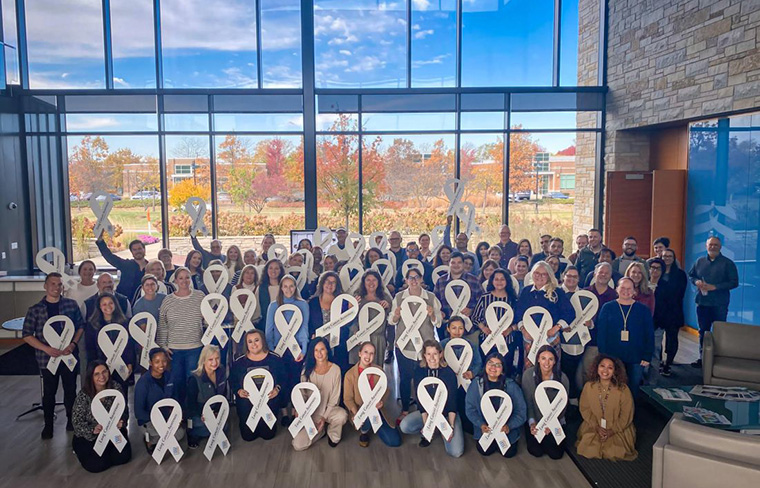
White ribbons around CHEST HQ raise awareness for lung cancer screening and early detection
During the month of November, CHEST displayed white ribbons around its headquarters in Glenview, Illinois, to raise awareness for lung cancer screening and early detection.