
Sleep Medicine
-

Waking up to simulation in sleep medicine
Simulation-based mastery learning is expanding into sleep medicine training with innovative courses and workshops geared toward honing clinical skills in a controlled environment.
-
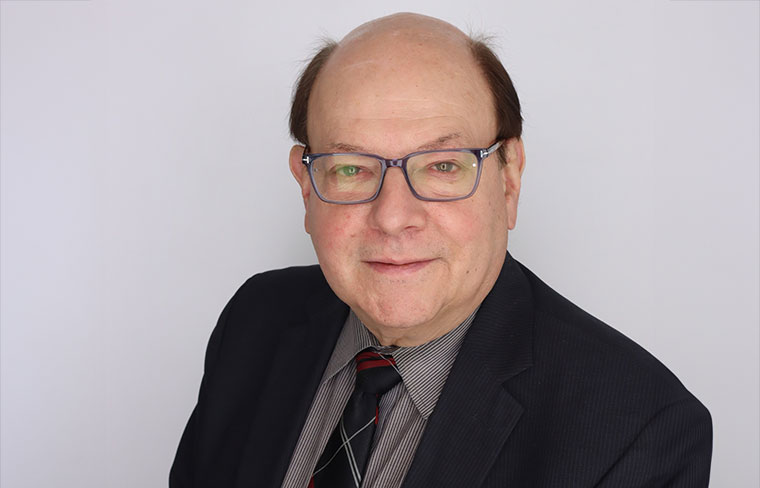
Presenters to share insights into new ventilation reimbursement criteria
Peter Gay, MD, FCCP, will chair a session about the implications of revised coverage guidelines for noninvasive positive pressure ventilation devices for patients with COPD.
-
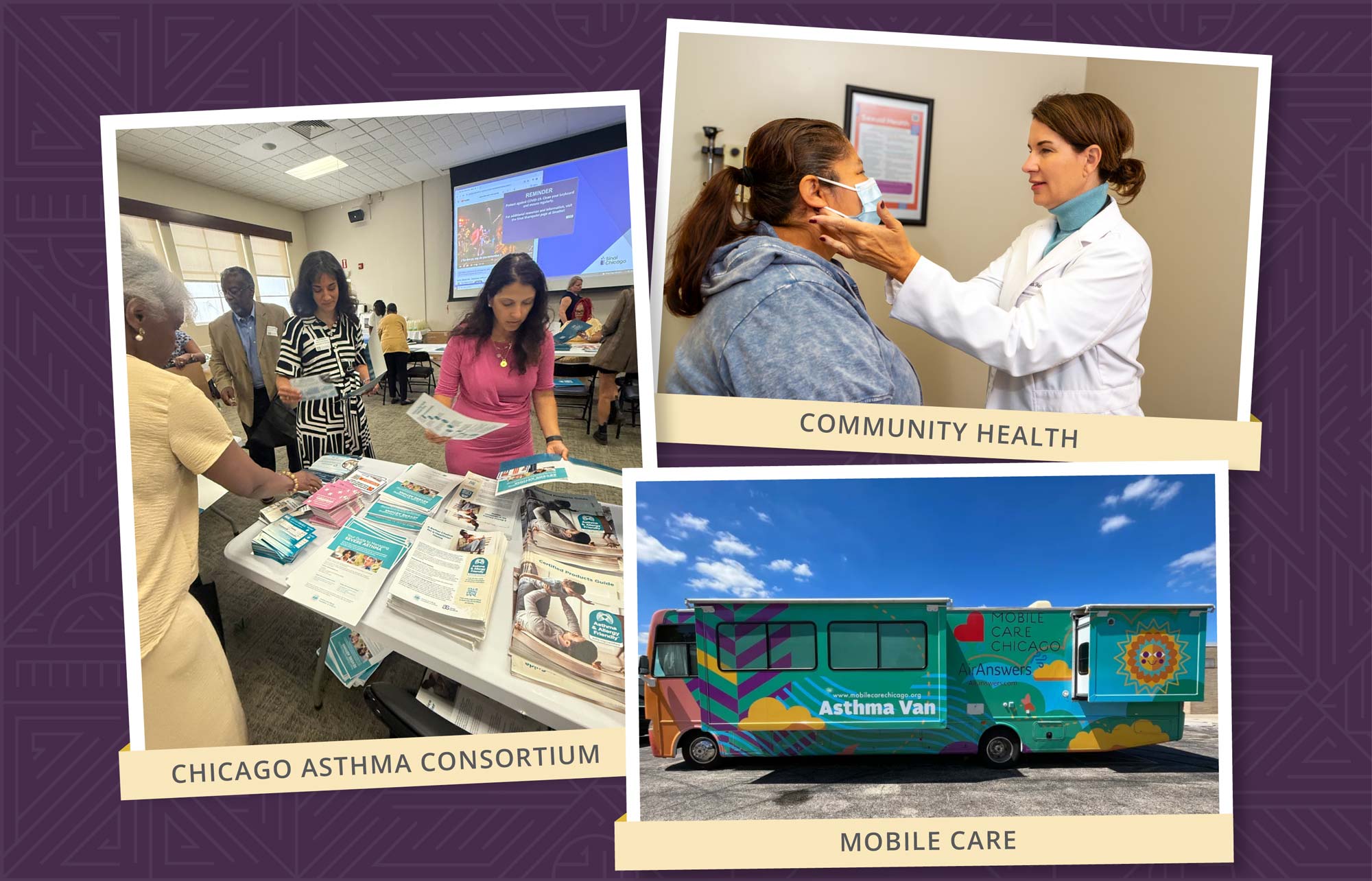
CHEST Community Connections: Get to know Chicago health care heroes
CHEST is partnering with three Chicago-area organizations—Chicago Asthma Consortium, CommunityHealth, and Mobile Care Chicago—to highlight their critical work in the community and connect them with CHEST 2025 attendees.
-

Using consumer sleep trackers in clinical practice
Consumer sleep technologies are offering new ways to monitor sleep. Clinicians need to be prepared to discuss this data, clarify limitations, and interpret findings with patients.
-

Moderate to severe OSA increases risk of severe COVID-19
According to critical care specialist Lina Miyakawa, MD, FCCP, the findings are a reminder that OSA “is not just a sleep disorder but a systemic condition with meaningful public health implications.”
-

Explore recent developments in the treatment of sleep disorders
Multiple sessions will focus extensively on the benefits of glucagon-like peptide-1 (GLP-1) agonists in sleep medicine, said Chitra Lal, MD, MBBS, FCCP, Chair of the Sleep Medicine Curriculum Group and Sleep Medicine Network.
-
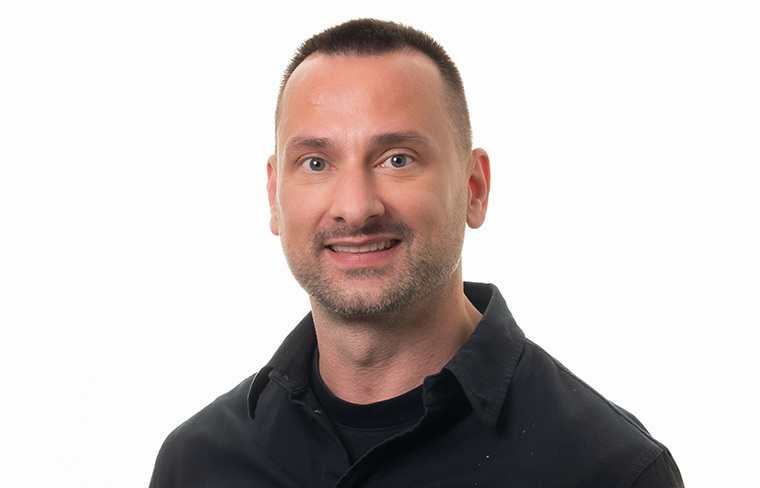
Coping styles linked to cognitive complaints in OSA
Investigator Tim J.A. Vaessen, MSc, said the findings suggest clinicians should look beyond sleep apnea and mood symptoms when evaluating cognitive complaints.
-
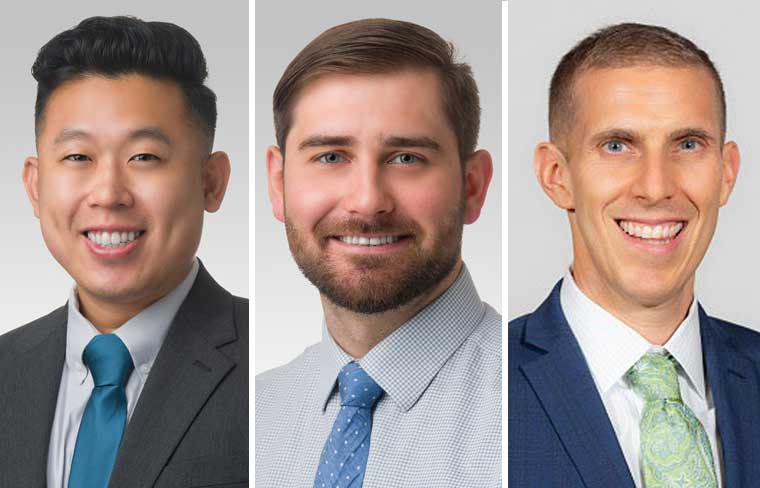
Practical applications of the new CMS national coverage determination guidelines for noninvasive ventilation in COPD
Many durable medical equipment companies have already started applying the new NIPPV criteria, so it is important for clinicians to become familiar with the changes.
-

Oral medications for sleep in nonintubated ICU patients and their impact on delirium
Clinicians rank pharmacologic sleep aids for ICU patients who are not intubated, beginning with those that have the strongest evidence for safety and efficacy.
-

OSA and the Alzheimer’s continuum
OSA is being increasingly recognized as a potential contributor to neurodegeneration, particularly in the preclinical stages of Alzheimer’s disease. As early intervention becomes a priority in Alzheimer’s prevention, sleep disorders are being investigated as modifiable risk factors.
-

For the neuromuscular disease community, ventilation coverage victory doesn’t carry over
Patient advocate Spero Koulouras said he believes CMS home ventilation coverage criteria for patients with disorders such as ALS are still ambiguous enough that private insurers have interpreted them to deny and delay coverage.
-

Reexamining treatment for RLS: What do the new AASM guidelines teach us?
The key clinical takeaway from the new guidelines is that dopamine agonists are no longer first-line therapy for RLS, and gabapentinoids should be used as primary therapy for most patients.
