
Asthma
-
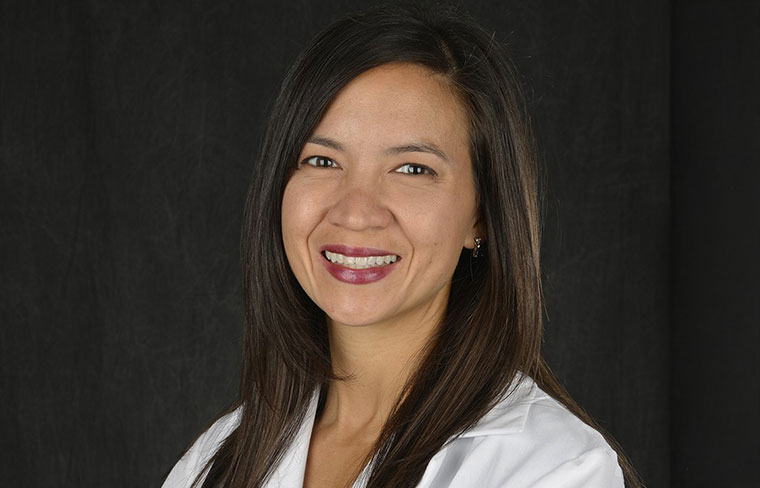
90th anniversary sessions to reflect on past, present, and future of field
Nichole T. Tanner, MD, MSCR, FCCP, and five other CHEST experts will chair special sessions about 90 years of progress in mechanical ventilation, TB, lung cancer, diffuse lung disease, respiratory vaccines, and asthma.
-

Session to present key allergy insights that asthma clinicians need to know
S. Shahzad Mustafa, MD, will chair a Sunday morning session that will highlight significant overlap between asthma and allergic conditions, particularly allergic rhinitis and chronic sinusitis with nasal polyposis.
-
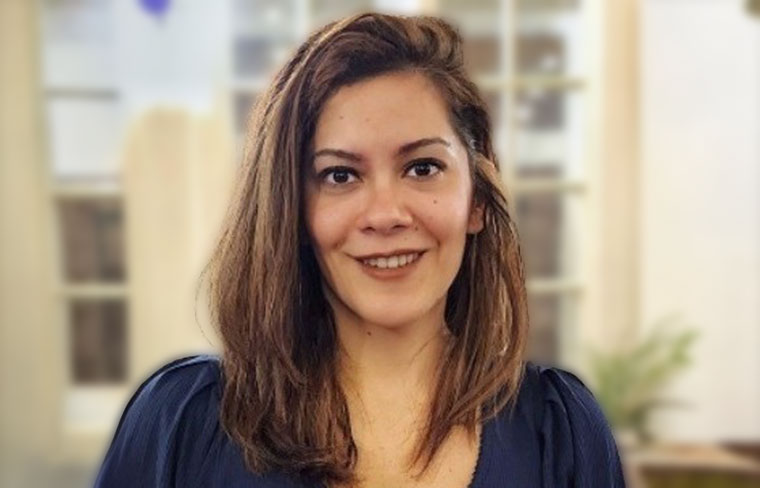
Panel to explore considerations for biologic therapy in severe asthma
Sara Assaf, MD, will chair a session examining key challenges and strategies for selecting the right biologic therapy for patients with severe asthma.
-

CHEST Community Connections: Get to know Chicago health care heroes
CHEST is partnering with three Chicago-area organizations—Chicago Asthma Consortium, CommunityHealth, and Mobile Care Chicago—to highlight their critical work in the community and connect them with CHEST 2025 attendees.
-
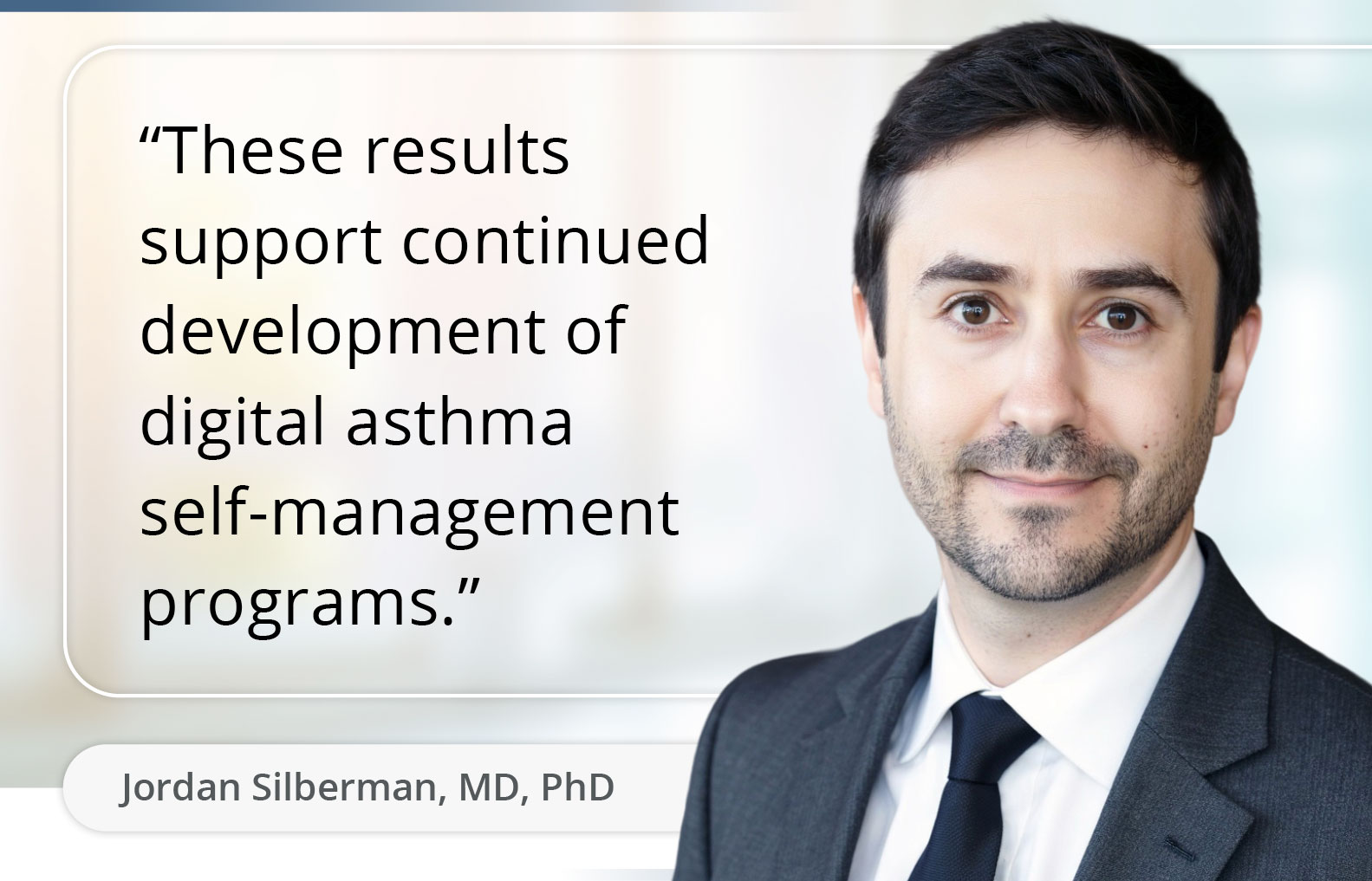
Asthma self-management app beats usual care for asthma control
Researcher Jordan Silberman, MD, PhD, said the findings—which varied by race—underscore the need for culturally adaptive strategies to ensure equitable engagement across all populations.
-

Unmasking asthma disparities: The path to equitable care
Disparities in asthma care are not solely biologic but also embedded deep in the roots of our political, social, and health care systems. Clinicians have an opportunity to translate knowledge into action.
-

Tezepelumab found to reduce oral corticosteroid use in severe asthma
The WAYFINDER study shows a clinically meaningful reduction in oral corticosteroid dosing, which may allow patients to get off steroids, said pulmonology expert Stephen T. Doyle, DO, MBA, FCCP.
-

As-needed albuterol-budesonide found to benefit mild asthma
Study author Craig LaForce, MD, and pulmonologist Kevin Fussell, MD, discuss findings from the BATURA trial and their clinical implications.
-

COURSE trial shows importance of biomarker testing in COPD
While overall the trial was negative, Meilan King Han, MD, MS, and Sanjay Ramakrishnan, MBBS, PhD, said it demonstrated the promise of tezepelumab for patients with baseline blood eosinophil counts ≥ 150 cells/µL.
-

Dupilumab reverses airway inflammation, mucus hypersecretion in type 2 asthma
Lead author Mario Castro, MD, MPH, FCCP, said the VESTIGE trial is one of the first to show that we can reverse the disease process in asthma and substantially improve lung function.
