The recently published ANDROMEDA-SHOCK-2 trial showed that personalized hemodynamic resuscitation targeting capillary refill time (CRT) is superior to usual care in patients with early septic shock.1 A hemodynamic resuscitation strategy with CRT outperformed usual care using a hierarchical composite primary outcome.
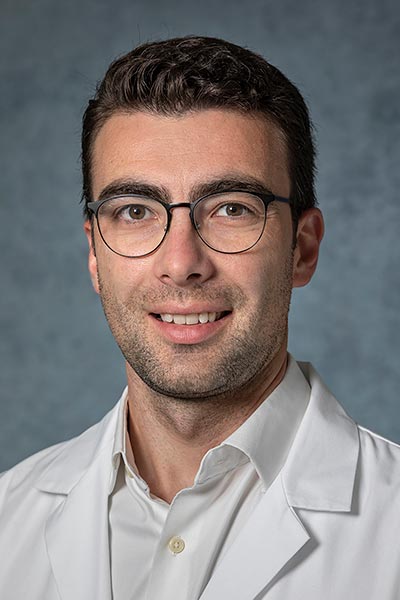
“This trial is a significant step toward supporting the idea of patient-oriented resuscitation goals,” said Yuri Matusov, MD, Assistant Professor of Medicine at Cedars Sinai Medical Center in Los Angeles. “Rather than using conventional protocols for septic shock resuscitation, you’re adjusting your treatment based on what is happening with the patient as you are at the bedside.”
The randomized trial was based on the previous Early Goal Directed Therapy Using a Physiological Holistic View: The ANDROMEDA-SHOCK Study (ANDROMEDA) trial, which showed that CRT is superior to lactate-targeted resuscitation for faster recovery from organ dysfunction.2 CRT was also associated with less fluid administration and a nonstatistically significant higher likelihood of survival. Investigators noted that CRT appears to identify hypoperfusion and improvement of CRT could reflect the progression of reperfusion.
ANDROMEDA-SHOCK-2 used a manual assessment of CRT by compressing the ventral surface of the distal phalanx of a finger using a glass microscope slide. Pressure was increased until the skin was blank, held for 10 seconds, and released. CRT was the time needed to return to normal skin color.
A total of 1,501 patients were randomized to CRT-targeted resuscitation (744 patients) or usual care (757 patients) based on current guidelines across 86 ICUs in 19 countries in the Americas, Asia, and Europe between March 2022 and April 2025.
Patients’ mean age at baseline was mid-60s, about 43% were female, and median weight was 70 kg. About half (47%) had abdominal infections, followed by respiratory and urinary infections (19% each). Nearly half were on invasive ventilation at randomization. The most common comorbidities were chronic hypertension (24%) and diabetes (23%).
Patients randomized to CRT underwent a six-hour personalized resuscitation intended to normalize CRT to < 3 seconds. Resuscitation was implemented in two progressive tiers beginning with pulse pressure. CRT was reassessed at each stage of resuscitation and, if reached, hourly CRT assessment was continued through the remainder of the six-hour trial period without further resuscitation efforts. If pulse pressure was < 40 mm Hg, fluid-responsive patients received up to two 500 ml fluid boluses.
For patients with pulse pressure ≥ 40 mm HG and diastolic arterial pressure (DAP) < 50 mm HG, norepinephrine was titrated to reach a DAP ≥ 50 mm HG. If these interventions failed to normalize CRT to < 3 seconds, patients moved to tier 2, beginning with echocardiography to rule out cardiac dysfunction. Tier 2 included additional fluid boluses as appropriate, mean arterial pressure test, and dobutamine test.
The primary outcome was a hierarchical composite of all-cause mortality, duration of vital support, and length of hospital stay, all assessed 28 days following randomization. Secondary outcomes were the three individual outcomes at day 28.
There were more wins in the CRT group compared with the usual care group (48.9% vs 42.1%) for a win ratio of 1.15 (94% CI; 1.02-1.33, P = .04). Researchers found no significant difference in 28-day mortality, and the CRT group had more days without vital support (16.5 vs 15.4) for an odds ratio of 1.28 (95% CI; 1.06-1.54).
“This is probably the largest and most rigorous trial that has looked at personalized resuscitation,” Dr. Matusov said. “It is a significant step toward recognizing the benefits of the individualized approach in managing septic shock and the practical value of capillary refill time. The manifestations of septic shock can be so different that you really need to tailor your treatments to the person in front of you.”
References
1. ANDROMEDA-SHOCK-2 Investigators for the ANDROMEDA Research Network, Spanish Society of Anesthesiology, Reanimation and Pain Therapy (SEDAR), and Latin American Intensive Care Network (LIVEN), Hernandez G, Ospina-Tascón GA, et al. Personalized hemodynamic resuscitation targeting capillary refill time in early septic shock: The ANDROMEDA-SHOCK-2 randomized clinical trial. JAMA. Published online October 29, 2025. doi:10.1001/jama.2025.20402
2. Hernández G, Cavalcanti AB, Ospina-Tascón G, et al. Early goal-directed therapy using a physiological holistic view: the ANDROMEDA-SHOCK-a randomized controlled trial. Ann Intensive Care. 2018;8(1):52. doi:10.1186/s13613-018-0398-2