

Pharmacology
-

COURSE trial shows importance of biomarker testing in COPD
While overall the trial was negative, Meilan King Han, MD, MS, and Sanjay Ramakrishnan, MBBS, PhD, said it demonstrated the promise of tezepelumab for patients with baseline blood eosinophil counts ≥ 150 cells/µL.
-

Procalcitonin levels may guide antibiotic duration in patients with suspected sepsis
Paul Dark, MD, PhD, said a 10% reduction in duration of antibiotic use shown in a recent study may seem small, but in the context of antibiotic stewardship, a 10% reduction is important.
-

Admilparant phase 2 results raise hopes for combination treatment in pulmonary fibrosis
Fernando Martinez, MD, FCCP, said he expects the treatment options for fibrotic lung disease will soon become more complex—in a good way—as more effective therapies become available.
-

Dupilumab reverses airway inflammation, mucus hypersecretion in type 2 asthma
Lead author Mario Castro, MD, MPH, FCCP, said the VESTIGE trial is one of the first to show that we can reverse the disease process in asthma and substantially improve lung function.
-

Hope on the horizon for bronchiectasis
The combination of personalized therapies, novel and repurposed medications, and a multidisciplinary approach is transforming bronchiectasis from a condition that once had few treatment options into one that offers hope for improved management and even disease stabilization.
-

SWIFT studies show promise of IL-5-targeted twice-yearly option for severe asthma with an eosinophilic phenotype
Lauren E. Eggert, MD, said depemokimab could be a more convenient therapy choice for both patients and providers.
-

Brensocatib awaits FDA approval for bronchiectasis following ASPEN results
Experts Mark Metersky, MD, FCCP; Pamela J. McShane, MD; and Charles L. Daley, MD, FCCP, discuss the potential clinical implications of addressing inflammation in bronchiectasis—from reduced exacerbations and slowed decline in FEV to improved quality of life.
-

MATINEE shows positive results for mepolizumab in COPD
Experts Frank Sciurba, MD, FCCP, and Gerard J. Criner, MD, FCCP, said clinicians have a second option for treating patients with high type 2 inflammation now that the FDA has approved the drug for those with an eosinophilic phenotype.
-

Study to test efficacy of tezepelumab for treating asthma exacerbations in the emergency department
Diego J. Maselli, MD, FCCP, said the TERAA trial will provide needed evidence on the use of biologics in the acute care setting.
-
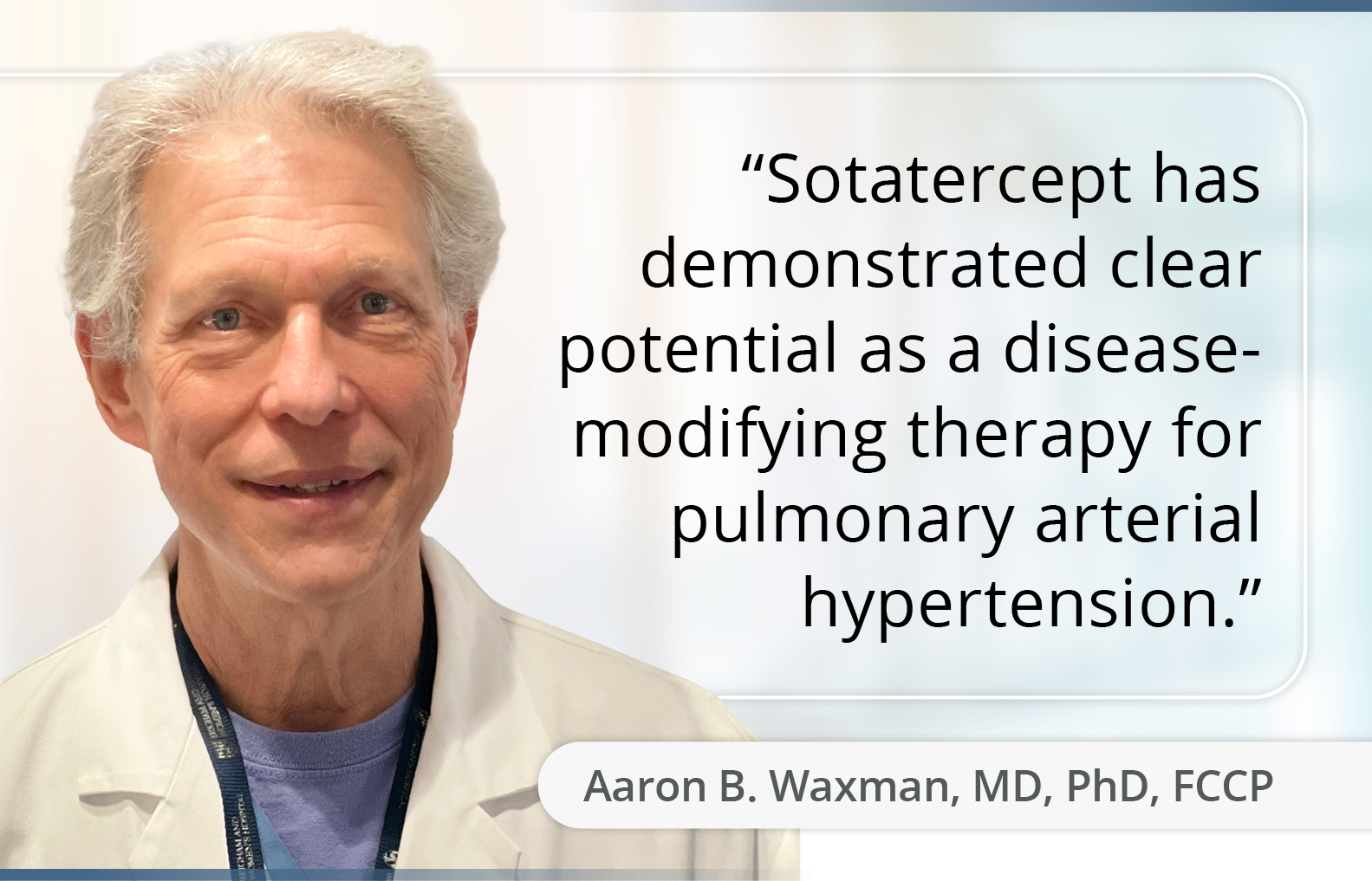
Pooled data suggest sotatercept as novel disease-modifying therapy for PAH
Aaron B. Waxman, MD, PhD, FCCP, said he believes the drug will become a first-line therapy option, but questions remain regarding when to initiate treatment.