
News
-

Persistent mucus plugs linked to faster lung function decline in COPD
Investigator Sofia Mettler, MD, MPH, said the findings may point to a potential intervenable pathology in obstructive airway disease.
-

Noninferiority data move navigational bronchoscopy into frontline lung biopsy discussion
Given the favorable safety profile seen in the VERITAS trial, investigator Matthew C. Aboudara, MD, FCCP, said the approach should be considered alongside CT scan-guided transthoracic needle biopsy.
-

Varenicline found effective for nicotine vaping cessation in youth
Researcher A. Eden Evins, MD, said she was surprised by the ineffectiveness of behavioral therapy alone.
-

Oseltamivir beats supportive care for patients hospitalized with seasonal influenza
Investigator Anthony Bai, MD, MSc, and infectious disease expert Christina Thornton, MD, PhD, discuss a large analysis that showed an in-hospital mortality rate of 3.5% for oseltamivir vs 4.9% for supportive care.
-
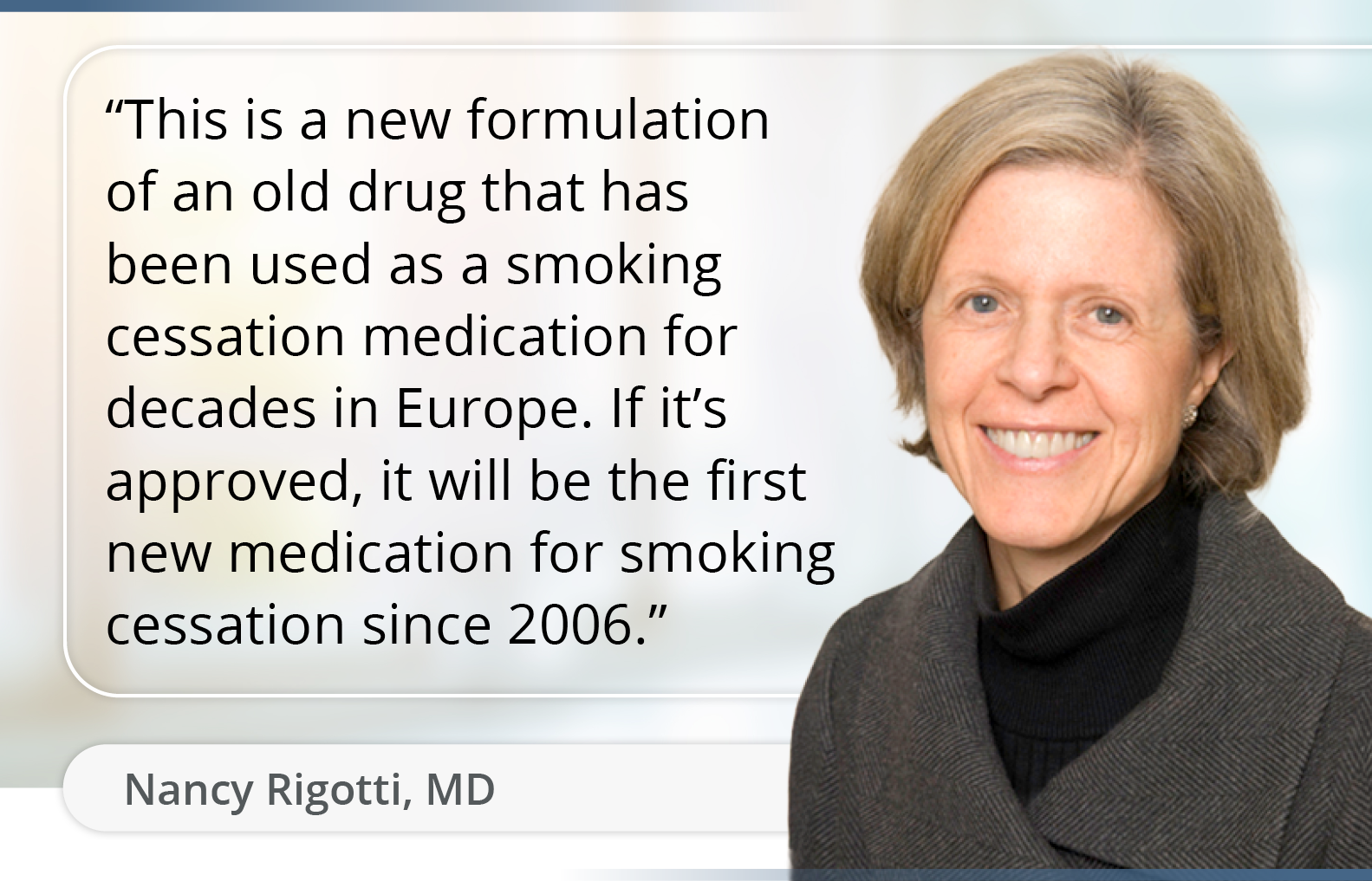
ORCA-3 replicates strong tobacco cessation results for cytisinicline
The ORCA-3 trial demonstrated that cytisinicline, a reformulated compound, significantly outperformed placebo by nearly six times in helping adults who smoke to quit.
-

Study shows earlier vasopressin initiation for sepsis reduced in-hospital mortality
Critical care expert Natalie Achamallah, MD, FCCP, said OVISS data support guidelines that recommend earlier vasopressin as well as lower norepinephrine doses.
-

EHR data confirm effectiveness of RSV vaccine in adults aged 60 and older
Pauline Terebuh, MD, MPH, said the results aligned with previous trials; however, Shaun J. Grannis, MD, said more data are needed to determine the durability of the protection.
-

UK trial finds propofol remains preferred ICU sedation agent
The recent A2B trial found that neither dexmedetomidine nor clonidine are superior to propofol and may increase risks of agitation and bradycardia.
-

As-needed albuterol-budesonide found to benefit mild asthma
Study author Craig LaForce, MD, and pulmonologist Kevin Fussell, MD, discuss findings from the BATURA trial and their clinical implications.
-

Probiotics shortened fever duration in children with upper respiratory tract infections
Investigator Carlo Agostoni, MD, said the data show probiotic use was associated with a median reduction of fever by two days compared with placebo.
