
CHEST Physician
-

Improving compliance in NIV for COPD
High-intensity NIV is vital for patients with COPD with hypercapnic respiratory failure, and success often depends on overcoming patient intolerance.
-

Respiratory care: A glass half full?
The respiratory therapist workforce has been dwindling at a time when demand has been skyrocketing. But good news is on the horizon.
-
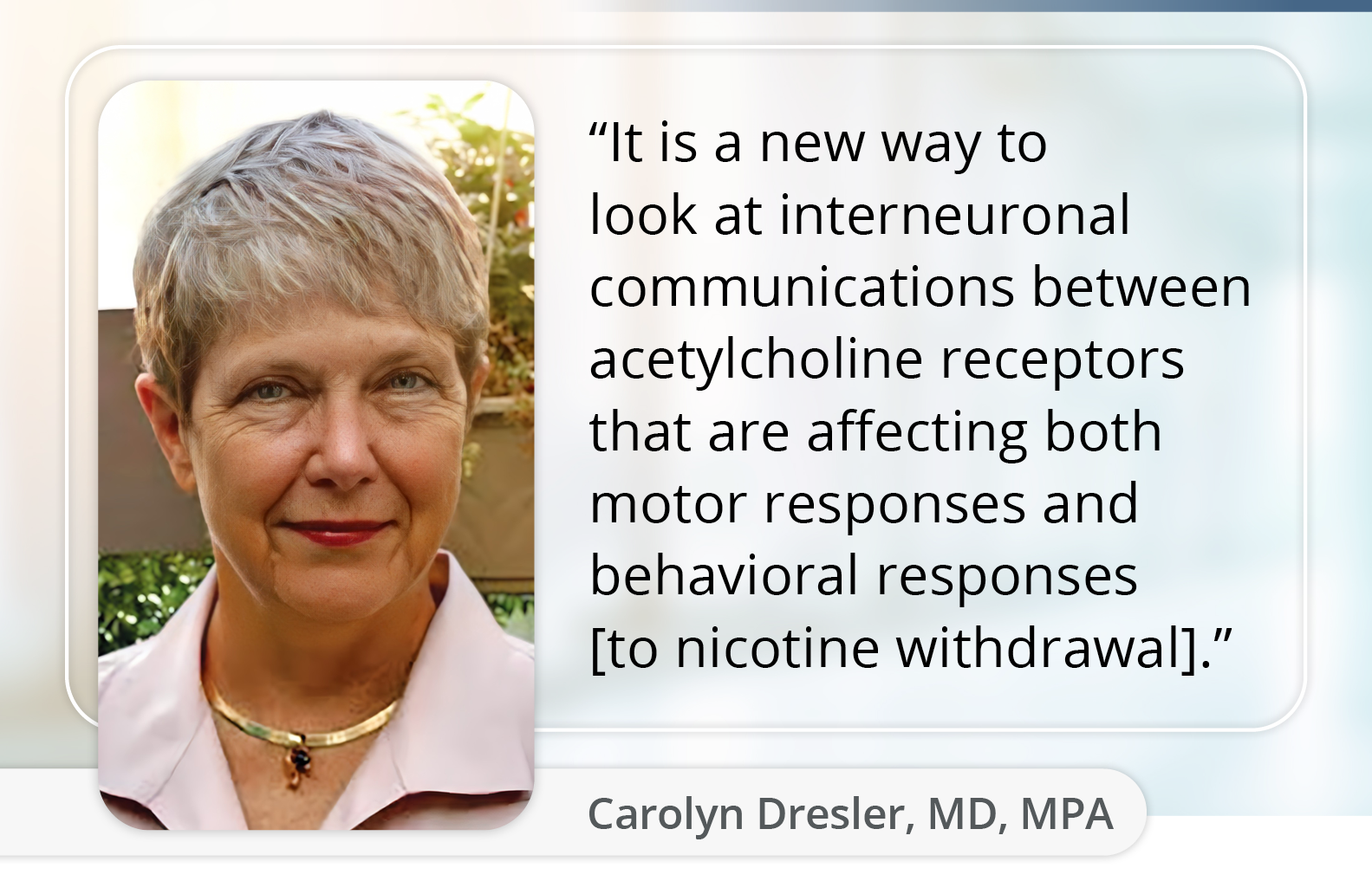
Parkinson’s drug shows promise as treatment for nicotine addiction in mouse model
Tobacco cessation expert, Carolyn Dresler, MD, MPA, said new evidence of cross talk between different types of acetylcholinergic receptors could be an important step for future research to determine if, and at what doses, these results could be replicated in humans.
-

Early treatment with CPAP may reduce dementia risk for patients with OSA
Sreelatha Naik, MD, FCCP, said the apparent benefit of CPAP therapy is not a surprise; however, more studies are needed to determine if treating sleep apnea can truly mitigate the higher risk of dementia.
-

Corticosteroid benefits unclear for acute ILD exacerbations
Erin Meier, MD, and Rachana Krishna, MBBS, MSCR, discuss the clinical implications of a recent meta-analysis, which suggests steroids may not help all patients with interstitial lung disease (ILD) who experience a flare.
-

A sticky road: Mucus pathology in COPD
Targeting mucus pathology could fulfill an unmet therapeutic need in managing patients with COPD and provide a novel approach to addressing the underlying mechanisms contributing to airway obstruction.
-

The impact of short telomere syndrome on lung transplantation
Short telomere syndrome can increase post-lung transplant complications, necessitating tailored pretransplant and posttransplant assessments and multidisciplinary care.
-

POCUS for temporary intracorporeal and extracorporeal mechanical circulatory support
POCUS use refines diagnostic accuracy, enhances procedural safety, and optimizes outcomes for patients requiring advanced circulatory support.
-

Top reads from the CHEST journal portfolio – April 2025
Read these journal commentaries to explore studies on thrombus histopathology following PEA, endothelial biomarkers in pediatric sepsis to predict ARDS, and the role of high BMI in AATD-COPD.
-
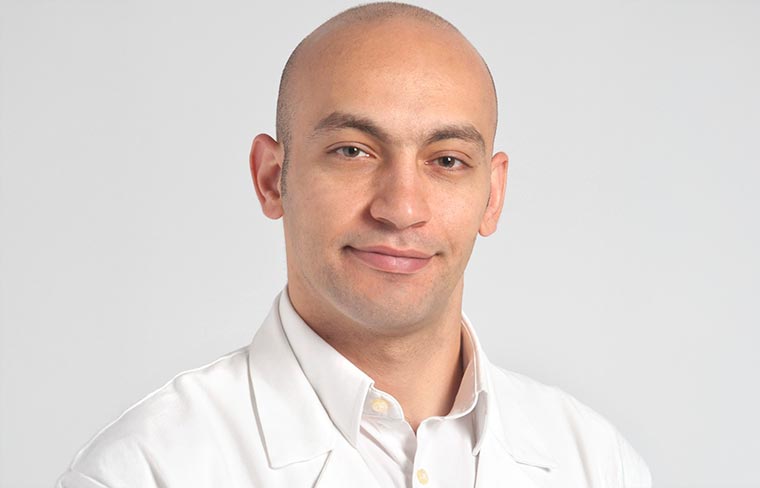
Older patients have improved five-year survival for bilateral vs single lung transplant
Investigator, Haytham Elgharably, MD, discusses the practical implications of his recent research on bilateral lung transplant.
