
CHEST Physician
-

When PH and ILD meet: From overlap to a unified disease paradigm
For clinicians, the shift in the PH-ILD space demands a broader perspective that integrates vascular and parenchymal disease, emphasizes early detection, and prioritizes multidisciplinary care.
-

Study demonstrates superior protection from mRNA influenza vaccine compared with standard-dose vaccines
Experts caution that further research is needed to evaluate the platform’s performance across multiple seasons and compare it with enhanced vaccines.
-
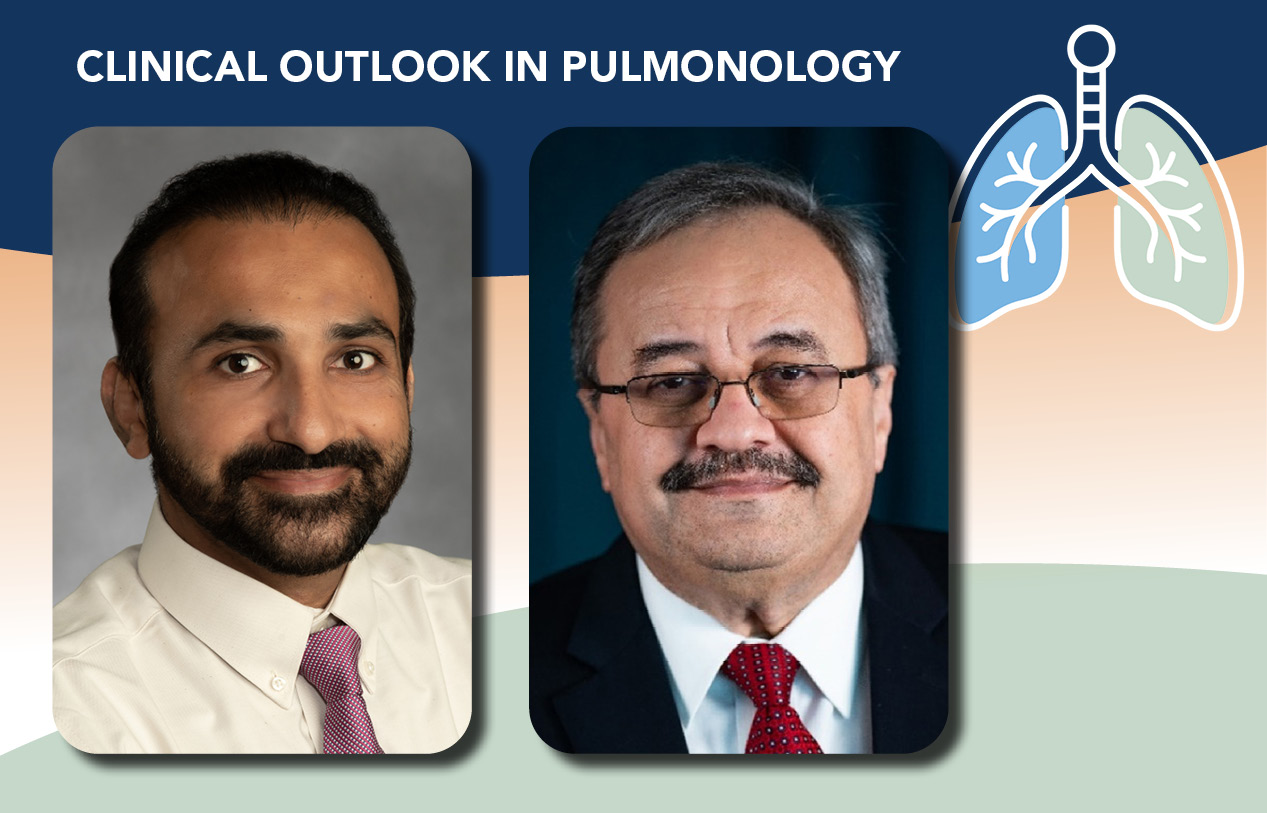
Evolving biologic treatment options improving outcomes for patients with COPD
Farrukh Abbas, MD, FCCP, and Nicola Alexander Hanania, MD, MS, FCCP, explore the various treatment pathways—and the drugs targeting them—with the potential to reduce COPD exacerbations.
-

Study supports 30 mL/kg or more of initial fluid for sepsis-induced hypoperfusion
Researchers also analyzed weight-based fluid resuscitation recommendations and found that, regardless of the approach, administration of 30 mL/kg of fluid was associated with reduced mortality.
-

Advancing diaphragm dysfunction care
Diaphragm dysfunction is frequently underrecognized despite its significant impact on breathing and quality of life. Learn how an APP-led specialty clinic uses POCUS, standardized assessment, and physician collaboration to improve diagnosis, streamline care, and expand patient access.
-

2026 Surviving Sepsis Campaign: Applying guidelines at the bedside
The guidelines distill available evidence into actionable recommendations to help clinicians navigate complex sepsis management processes and treat patients.
-

Rethinking vascular access in the ICU: The rise of peripheral vasopressors
Peripheral vasopressors are no longer an exception reserved for minutes before central access is obtained; they have become common practice nationwide.
-

The changing landscape of lung transplant allocation
The composite allocation score has transformed clinical practice, bringing several improvements but also limitations and opportunities for further refinement.
-

Top reads from the CHEST journal portfolio – September 2026
Read new research from the journal portfolio on short-term CPAP, pharmacist-led intervention for inhaler access, and using dynamic digital radiography to assess respiratory failure.
-

Varenicline sampling with minimal guidance may boost smoking cessation rates
According to the investigators, the medication sampling model may lower barriers to engagement and allow patients to consider cessation on their own terms.
