
CHEST Physician
-

Hospital-onset sepsis: Why the brouhaha?
A 47-year-old woman with a history of cirrhosis is admitted with an acute kidney injury and altered mental status. On the initial workup, there are no signs of infection, and dehydration is determined to be the cause of the kidney injury. There are signs of improvement in the kidney injury with hydration. On hospital day…
-

Severe early-life respiratory infections heighten pediatric OSA risk
Children with severe lower respiratory tract infections (LRTIs) within the first 2 years of life had a 2.06-fold increased risk of developing pediatric OSA by age 5, according to a study comparing patients hospitalized with LRTI to controls without severe LRTI.1 Prior studies linked LRTI and OSA, but the impact of LRTI severity was unknown.2…
-

Machine learning meets cardiopulmonary exercise testing
Cardiopulmonary exercise testing (CPET) is a clinically useful modality to discriminate between cardiac, pulmonary, and musculoskeletal limitations to physical exertion. However, it is relatively underutilized due to the lack of local expertise necessary for accurate interpretation. Several studies have explored automation of CPET interpretation, the most notable of which utilized machine learning.1 Recently, Schwendinger et…
-

Right heart catheterization practice patterns in pulmonary hypertension in the US
In the right clinical scenario, three key hemodynamic components obtained by right heart catheterization (RHC) define precapillary pulmonary hypertension (PH) warranting vasodilator treatment: mean pulmonary arterial pressure >20 mm Hg, pulmonary capillary wedge pressure (PCWP) ≤15 mm Hg, and pulmonary vascular resistance (PVR) >2Wood units.1 While these cutoffs are straightforward, a gap in practical application…
-

Electrical impedance tomography: Visualization and integration of the impact of mechanical ventilation
Lung protective ventilation (LPV) is the cornerstone to minimizing ventilator-induced lung injury. Hence, LPV is associated with better survival in patients both with and without ARDS.1 2 3 Continuous monitoring of the tidal volume, plateau pressure, and positive end-expiratory pressure (PEEP) is crucial to maintain LPV. Electrical impedance tomography (EIT) is a noninvasive, radiation-free, imaging…
-

Primary vs secondary: A review of pneumothorax management
Optimal management of primary spontaneous (PSP) and secondary spontaneous pneumothorax (SSP) remains an area of ongoing debate, with both CHEST and the British Thoracic Society (BTS) offering guidelines to address management decisions. The consensus for treatment of PSP depends on the size of the pneumothorax; if smaller than 2-3 cm, the patient can be observed…
-

Complementing, not competing
As we enter summer, it’s hard to believe that we’re halfway through my presidency. Registration for CHEST 2024 (October 6 to 9) is now open, and October will be here before we know it. We’re thrilled to host the CHEST Annual Meeting in Boston for the first time ever and hope to see you there…
-
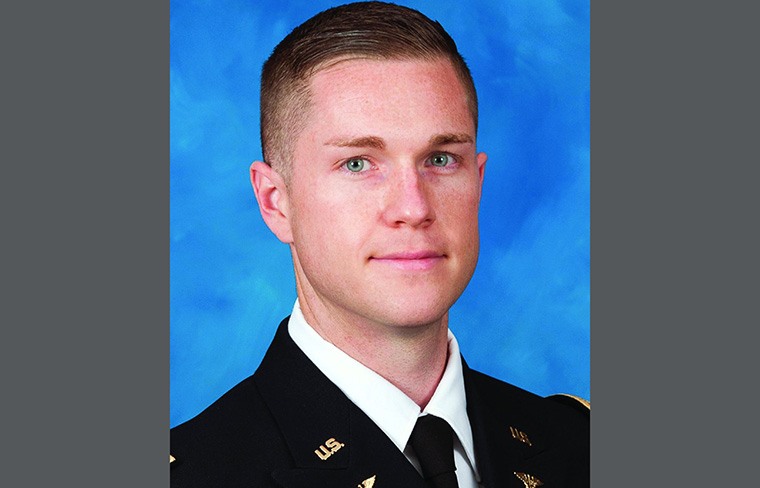
Military burn pits: Their evidence and implications for respiratory health
Military service is a hazard-ridden profession. It’s easy to recognize the direct dangers from warfighting, such as gunfire and explosions, but the risks from environmental, chemical, and other occupational exposures can be harder to see. Combustion-based waste management systems, otherwise known as “burn pits,” were used in deployed environments by the US military from the…
-

A word of caution on e-cigarettes: Retracted paper
Editor’s note: On March 29, 2024, the authors of the study, “Efficacy of Electronic Cigarettes vs Varenicline and Nicotine Chewing Gum as an Aid to Stop Smoking: A Randomized Clinical Trial,” published in JAMA Internal Medicine, issued a formal retraction of their article. The CHEST Physician Editorial Board apologizes for any confusion this may have…
-

Fellow to use diversity scholar mentorship to strengthen care in pediatric-to-adult transitions
During residency training at the Rush University Medical Center in Internal Medicine and Pediatrics, Esha Kapania, MD, quickly became interested in the pulmonary pathologies that span the life of a patient, beginning in childhood and lasting into adulthood. Now in her first year of fellowship at the University of Louisville and as the recipient of…
