

CHEST Physician
-

Post-intensive care syndrome: Beyond the ICU
As we shift from a survival-focused paradigm to one that embraces recovery and restoration, addressing PICS must become a routine component of ICU care.
-
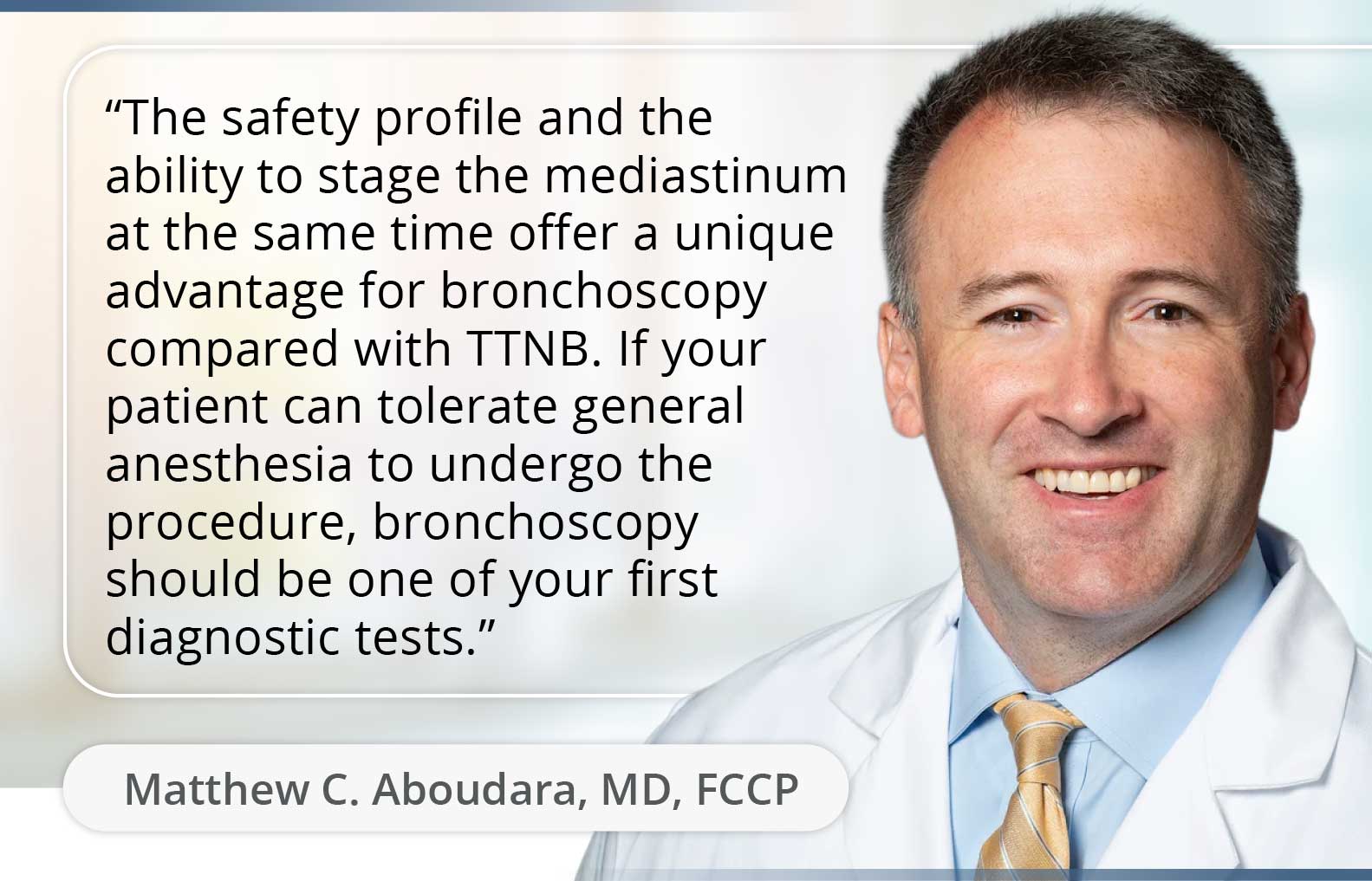
Noninferiority data move navigational bronchoscopy into frontline lung biopsy discussion
Given the favorable safety profile seen in the VERITAS trial, investigator Matthew C. Aboudara, MD, FCCP, said the approach should be considered alongside CT scan-guided transthoracic needle biopsy.
-

Varenicline found effective for nicotine vaping cessation in youth
Researcher A. Eden Evins, MD, said she was surprised by the ineffectiveness of behavioral therapy alone.
-

Oseltamivir beats supportive care for patients hospitalized with seasonal influenza
Investigator Anthony Bai, MD, MSc, and infectious disease expert Christina Thornton, MD, PhD, discuss a large analysis that showed an in-hospital mortality rate of 3.5% for oseltamivir vs 4.9% for supportive care.
-

EBUS nodal staging in early-stage non-small cell lung cancer
EBUS-TBNA disrupted the field of bronchoscopy by offering a minimally invasive, real-time imaging approach to biopsy, but recent data have emerged that show routine use of EBUS may warrant scrutiny.
-

Considerations for single parents with terminal illness
Clinicians often focus more on what happens in the hospital than on issues beyond the hospital. This article covers the complex end-of-life issues that clinicians should consider for seriously ill patients with minor children.
-

Top reads from the CHEST journal portfolio – August 2025
Editorial Board members share their insights on the TARGET trial results for robotic-assisted bronchoscopy, epidemiologic features of endotracheal tube obstruction, and weight management services for patients with OSA and obesity.
-
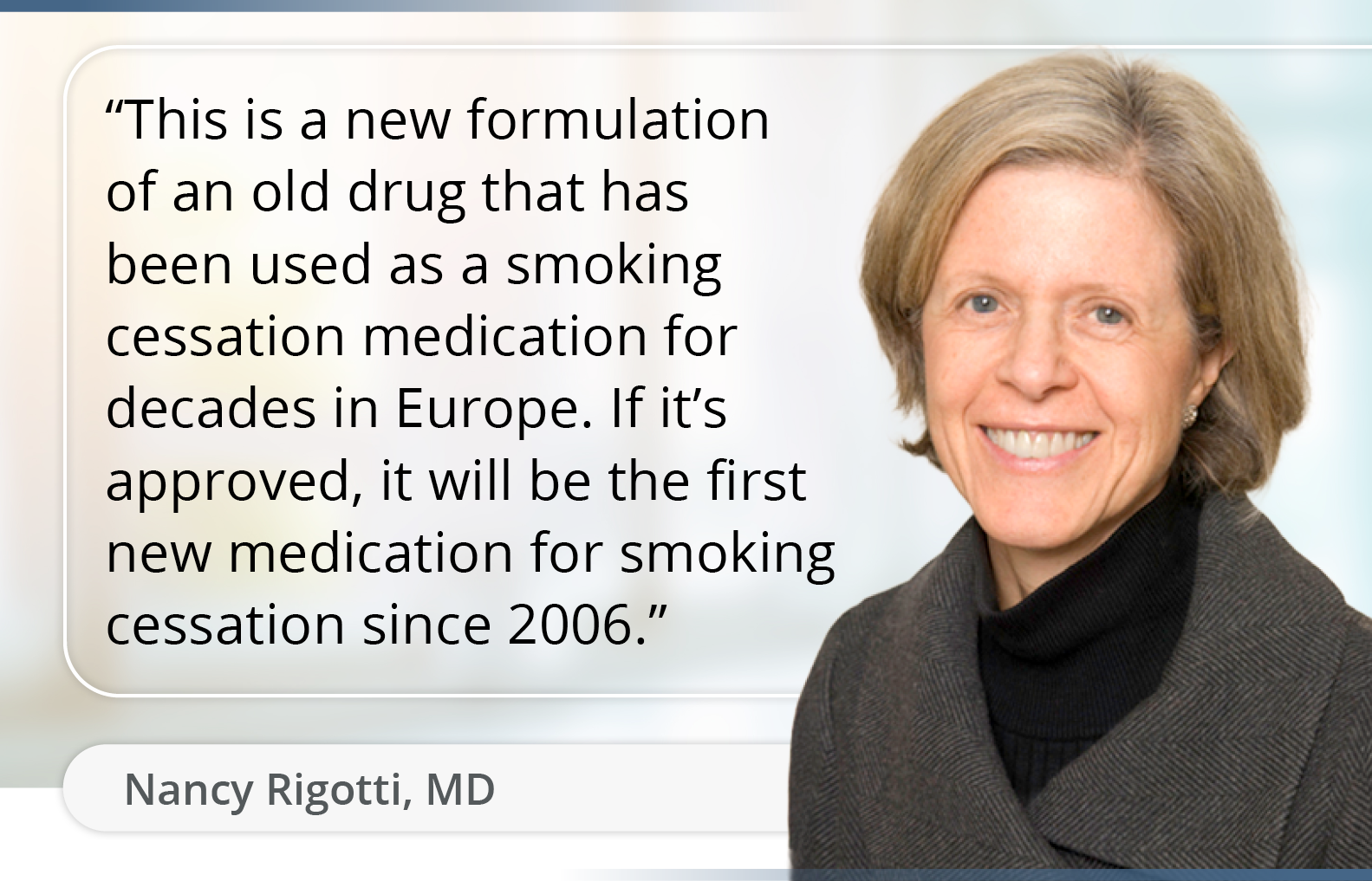
ORCA-3 replicates strong tobacco cessation results for cytisinicline
The ORCA-3 trial demonstrated that cytisinicline, a reformulated compound, significantly outperformed placebo by nearly six times in helping adults who smoke to quit.
-

Study shows earlier vasopressin initiation for sepsis reduced in-hospital mortality
Critical care expert Natalie Achamallah, MD, FCCP, said OVISS data support guidelines that recommend earlier vasopressin as well as lower norepinephrine doses.
-

EHR data confirm effectiveness of RSV vaccine in adults aged 60 and older
Pauline Terebuh, MD, MPH, said the results aligned with previous trials; however, Shaun J. Grannis, MD, said more data are needed to determine the durability of the protection.