
CHEST Physician
-

Mucus plug gene expression could identify new COPD targets
Recent research has identified distinct gene clusters that may underly the clinical heterogeneity of mucus pathology and inform further studies, investigator Ehab Billatos, MD, said.
-

AI tools like Sybil poised to improve lung cancer screening, risk prediction
The Sybil model has shown promising results in predicting lung cancer risk in diverse populations from a single CT scan, which could address gaps and disparities in current screening guidelines.
-
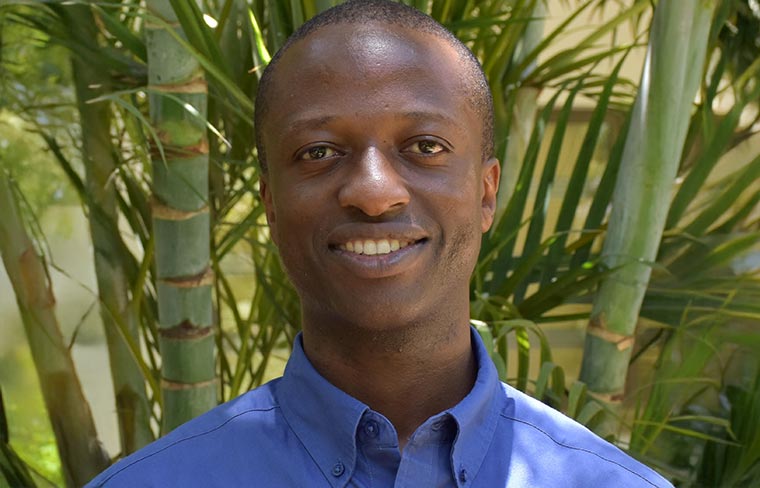
Study shows glucocorticoids cut mortality in community acquired pneumonia in low-income settings
Anthony O. Etyang, MBChB, MMed, MSc, PhD, said recent data bolster the evidence that steroids may be useful for severe pneumonia in high-income settings as well.
-
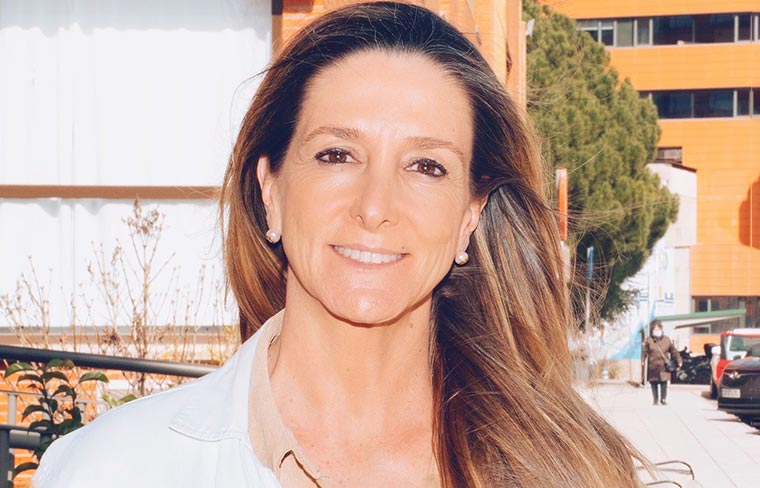
Hypoxic burden emerges as a key cardiovascular risk marker in pediatric OSA
Investigator Olga Mediano, PhD, said hypoxic burden may more fully capture the physiological consequences of OSA by integrating the frequency, duration, and depth of oxygen desaturation events.
-
Practice-changing updates in neurocritical care
Review practice-changing updates in neurocritical care, including the risk of pneumonia in patients with ABI who are mechanically ventilated, the use of prophylactic antibiotics, how to extubate patients with ABI, and more.
-

Get to know 2026 CHEST President Neil Freedman, MD, FCCP
Hear about what President Neil Freedman, MD, FCCP, would like to accomplish throughout the next 12 months and learn what he needs from you.
-
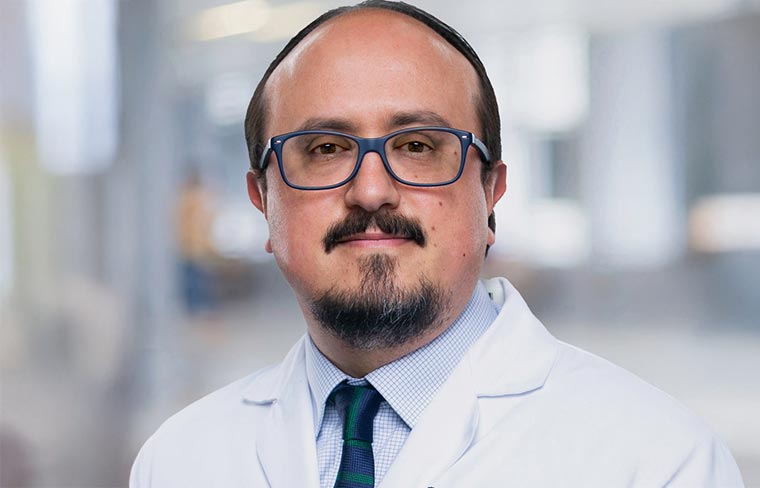
Meet the new Editor in Chief: Diego J. Maselli, MD, FCCP
Diego J. Maselli, MD, FCCP, is the Division Chief of Pulmonary Diseases and Critical Care Medicine and a Professor of Medicine at University of Texas Health at San Antonio.
-

AI applications in pulmonary medicine: From training clinicians to transforming diagnostics and treatment
AI applications in health care are multiplying, and AI-focused research is gaining traction across specialties, including pulmonary, critical care, and sleep medicine.
-
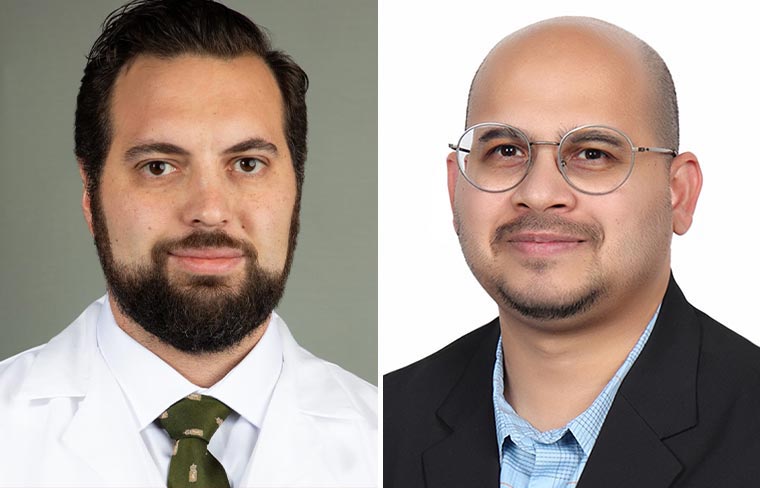
Data show OSA is an independent, modifiable risk factor for cerebral microbleeds
The first prospective, longitudinal study of OSA and cerebral microbleeds (CMBs) found that moderate to severe OSA more than doubles the risk for microbleeds.
-
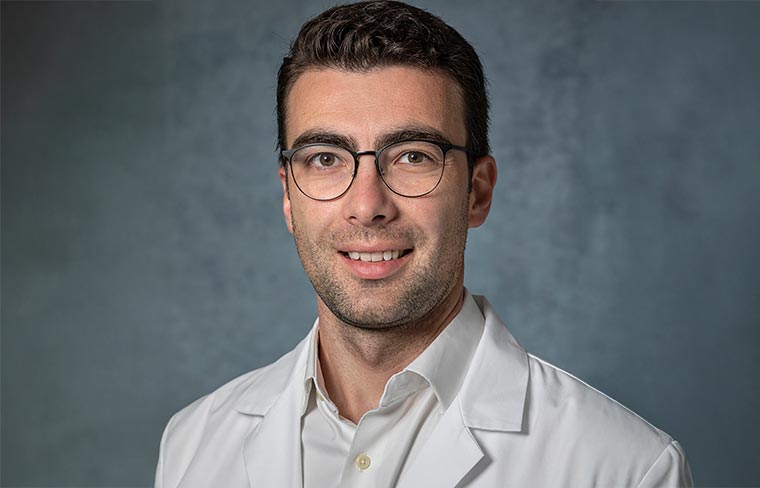
Targeting capillary refill time identified as superior resuscitation strategy
Yuri Matusov, MD, said recent findings mark a significant step toward an individualized approach for managing septic shock.
