
Obstructive Lung Disease
-

DPP-1 inhibitors enter clinical practice
Sunjay R. Devarajan, MD, FCCP, and Anas Hadeh, MD, FCCP, said DPP-1 inhibitors are expected to become a new standard of care, with ongoing studies further defining their role in noncystic fibrosis bronchiectasis management.
-

HFOV outperformed conventional ventilation for neonatal ARDS in trial
While the results need to be verified in larger, multicenter populations, new data show high-frequency oscillatory ventilation reduced the incidence of bronchopulmonary dysplasia in preterm infants.
-
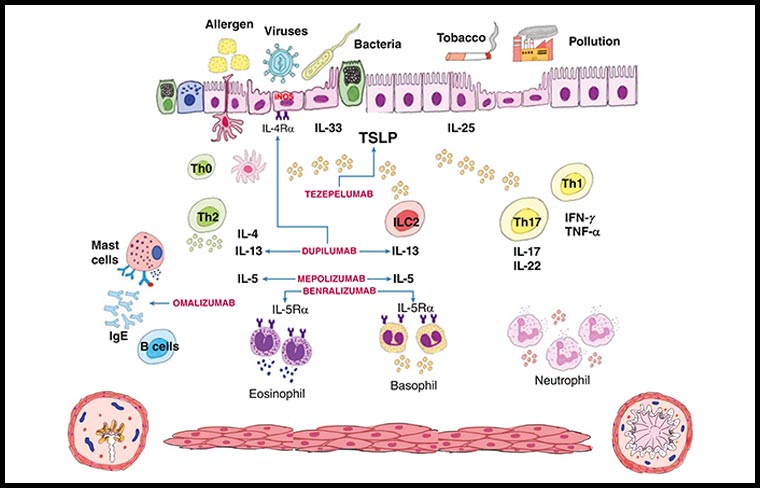
Biologic therapy for severe asthma: Time for precision, access, and accountability
Choosing the appropriate initial biologic and having the ability to implement timely changes in therapy, if needed, lead to improved patient-centered outcomes in severe asthma.
-

Retrospective study confirms RSV, flu significantly increase hospitalization risk in pediatric patients
The study showed that children with comorbidities are at the highest risk, with a fivefold increase in severe outcomes.
-

Rapid RSV testing may reduce antibiotic use in pediatric respiratory infections
Riccardo Boracchini, MSc, said the study provides some of the strongest evidence to date that rapid diagnostic testing can reduce antibiotic use outside the hospital setting.
-

Rethinking pediatric home mechanical ventilation
Persistent disparities in caregiver burden, home nursing shortages, and access to resources highlight the need for standardized education, telemedicine integration, and national safety infrastructure.
-

Umeclidinium-vilanterol shows modest but consistent advantage among LAMA-LABA options in symptomatic COPD
Investigator William B. Feldman, MD, PhD, MPH, said the findings raise important questions about whether inhalers in the same class are indeed therapeutically equivalent for patients with COPD.
-

Triple therapy shows meaningful benefits in uncontrolled asthma
Alberto Papi, MD, FCCP, said recent data from the KALOS and LOGOS trials suggest triple therapy may address airflow limitation and exacerbation risk in a single inhaler.
-

Study finds triple combination modulator therapy reduces inflammation in CF
Valentino Bezzerri, PhD, discusses findings from a compassionate-use study examining the effects of elexacaftor/tezacaftor/ivacaftor on inflammation in patients with cystic fibrosis.
-

Effects of LAMA or ICS withdrawal may increase risk for COPD exacerbations
Discontinuing LAMA or ICS treatment may more than double the risk of exacerbations for up to 90 days, according to an analysis by Alexander Mathioudakis, MD, PhD.
-

RSV hospitalization increases cardiorespiratory event, COPD exacerbation risk
Caihua Liang, MD, PhD, and Elizabeth Begier, MD, discuss the importance of prevention in light of data showing elevated risk for up to 180 days following the acute infection.
-

Airway clearance pharmacotherapy: Past, present, and future
The central question in non-CF bronchiectasis is no longer whether mucoactives work but for whom, under what circumstances, and at what cost in treatment burden.
