
Sleep Medicine
-

AI in home mechanical ventilation: Friend or foe?
Pulmonary medicine has not developed a shared language for home mechanical ventilation, which limits the application of artificial intelligence in patient care.
-

The evaluation and management of OSA in medically hospitalized patients
These recommendations will hopefully prompt institutions to develop protocols for screening, diagnosing, and potentially offering PAP therapy to this patient population.
-

Study evaluates sleep efficiency change in patients with pediatric OSA following adenotonsillectomy
Pediatric pulmonologist Anne C. Coates, MD, said it may take longer to see a benefit from surgery in some populations, especially when nonrespiratory factors may be affecting sleep efficiency.
-

Orexin receptor agonists: The evolution of precision medicine in narcolepsy type 1
This kind of therapy represents a promising and exciting step toward a precision medicine approach that directly targets the underlying deficiency of orexin signaling in narcolepsy type 1.
-

Hypoxic burden from sleep apnea may predict peri-operative outcomes better than AHI
Recent results show that sleep apnea-specific hypoxic burden could help inform clinicians whether a patient can safely receive standard postoperative monitoring, said Andrey Zinchuk, MD, MHS.
-
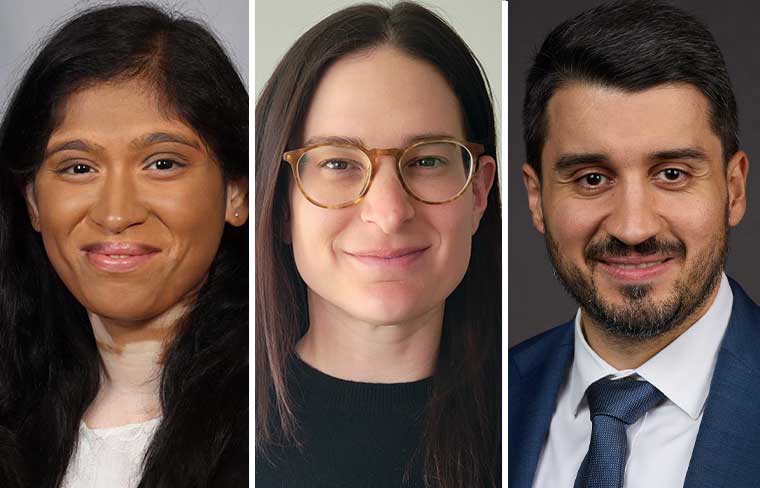
Precision pharmacotherapy in OSA: Promise, progress, and readiness
Sleep medicine is entering a promising era in which individualized, endotype-driven therapy is increasingly feasible, with emerging pharmacologic treatments targeting the diverse mechanisms underlying OSA.
-

Large, longitudinal study adds to evidence that links OSA to mental health disorder
Colin Huntley, MD, said the data help to confirm what many have seen in the clinic and suggest that patients may see mental health improvements if their sleep apnea is better managed.
-
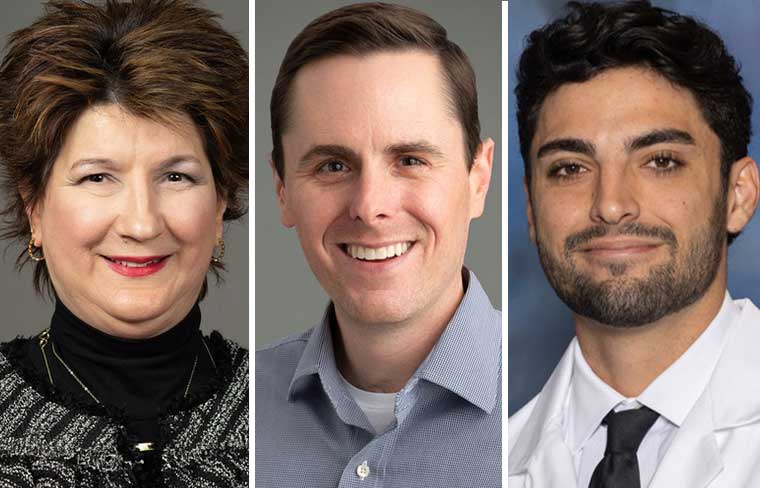
Study links nocturnal GERD, undiagnosed OSA to worse outcomes in IPF
Researchers said the findings support evaluation of sleep‑related comorbidities to identify potentially modifiable contributors to symptoms and physiologic impairment.
-

Interfaces for long-term noninvasive PAP in children
Noninvasive PAP supports respiratory function in children but depends on a well-fitting interface, such as a nasal mask, and monitoring to reduce adverse effects.
-

Intranasal saline improves symptoms in children with sleep-disordered breathing
The results of the MIST+ trial support the conclusion that saline is as effective as corticosteroid in managing symptoms of OSDB, said lead author Gillian Nixon, MD.
-

A ‘central’ issue in sleep medicine
An AASM task force recently published guidelines on central sleep apnea management, which includes recommendations on whether adaptive servo-ventilation is a safe option in these patients.
-

Light therapy to improve sleep in older patients with dementia
A comprehensive approach combining light therapy with daytime physical activity and sleep-wake scheduling has significant benefits for patients with dementia.
